Optimizing Freight Operations for Modern Logistics Efficiency
Friday, August 14 2026
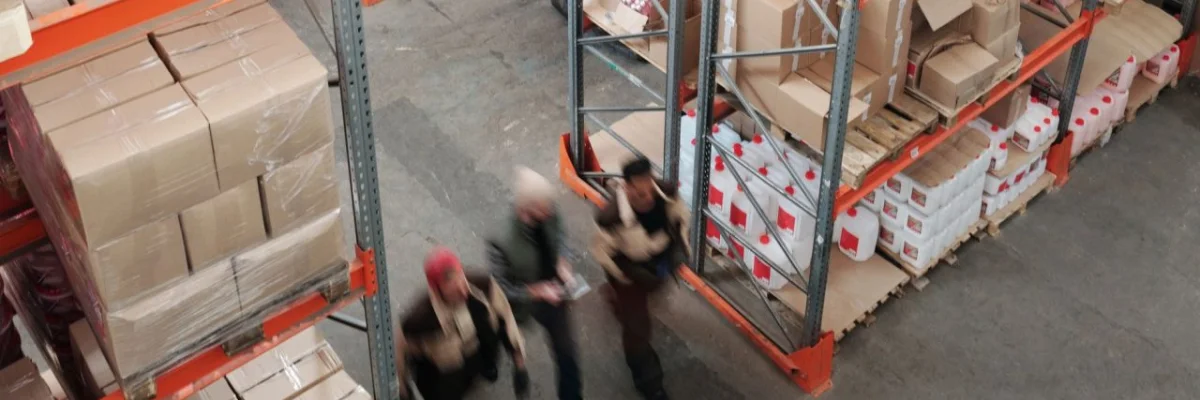
Modern freight forwarding requires a delicate balance of speed, accuracy, and communication in an increasingly complex global trade environment. As supply chain volatility becomes the new normal, forwarders must move beyond manual spreadsheets and legacy systems to maintain competitive edges. Digital transformation is no longer a luxury but a fundamental necessity for survival. By integrating cloud-based solutions and automating routine tasks, logistics professionals can reduce human error, provide transparent tracking to clients, and focus on high-value strategic growth. This article explores essential strategies to refine your daily operations and maximize the output of your freight business today.
Digital Document Management

Transitioning from paper trails to a unified digital repository significantly reduces the risk of lost documents and communication delays. Centralized storage ensures that every team member accesses the latest version of bills of lading and customs declarations instantly.
- Cloud based storage: Utilizing a secure cloud platform allows global teams to retrieve shipping documents from any location, reducing downtime and ensuring continuous operations across different time zones.
- Automated data entry: Smart scanning tools convert physical invoices into digital formats, minimizing manual entry errors and drastically speeding up the billing process for your finance department.
- Version control systems: Automatic tracking of document changes prevents confusion by highlighting the most recent updates, ensuring that every stakeholder works with the most accurate information available.
- Instant search capabilities: Powerful metadata tagging allows staff to locate specific manifests or client records in seconds, saving valuable time during busy periods or audit investigations.
- Secure access controls: Granular permission settings ensure that sensitive client data remains protected while still being accessible to the authorized personnel needed to complete daily tasks.
Adopting a digital-first approach to documentation transforms how your team interacts with information. By eliminating the reliance on physical paper and fragmented email threads, you create a transparent environment where errors are caught early. This shift not only improves internal productivity but also enhances the professional experience for your clients, who expect modern, real-time responses to their inquiries about shipment progress and documentation status.
Automated Workflow Integration

Automation is the heartbeat of a scalable freight operation, enabling forwarders to handle increased cargo volumes without proportionally increasing their headcount. Integrating software tools allows routine tasks to trigger automatically, ensuring that no critical shipment step is ever overlooked.
- Trigger based notifications: Setting up automatic alerts for shipment status updates keeps your clients informed without manual intervention, fostering trust and reducing the volume of incoming inquiries.
- Template based emailing: Standardized communication templates allow your operations team to send consistent, professional updates to carriers and consignees with just one click of a button.
- Task management automation: Assigning specific duties to team members based on workflow progression ensures that no load stays idle due to missed internal notifications or miscommunication.
- Dynamic routing logic: Software that automatically selects the best freight route based on current carrier rates and transit times saves precious hours for your logistics coordinators.
- Seamless status updates: Automatic synchronization between your freight platform and carrier portals provides your team with the latest shipment data without needing manual data entry work.
When you automate your core workflows, you move your staff away from repetitive administrative burden and toward proactive problem solving. This transformation helps identify potential delays before they impact your clients bottom line. By leveraging these intelligent workflows, your freight forwarding business can maintain high service standards while scaling operations effortlessly to accommodate the fluctuating demands of the global logistics market today.
Data Driven Decision Making

Relying on gut instinct is no longer sufficient in a data-rich shipping industry where margins are razor thin. Collecting and analyzing performance data helps managers identify bottlenecks and optimize carrier partnerships for long term profitability and increased service quality.
- Carrier performance metrics: Tracking on time delivery rates and incident history allows your team to make informed decisions when selecting partners for complex, time sensitive international freight shipments.
- Cost analysis tracking: Detailed reports on landed costs enable you to identify where margins are slipping and adjust your pricing strategy accordingly to maintain healthy profit levels.
- Trend forecasting tools: Advanced analytics help predict peak shipping seasons, allowing your agency to secure capacity in advance and avoid the high costs of last minute booking.
- Client profitability reports: Analyzing the time spent on specific accounts helps you identify which clients provide the best return, allowing for a more strategic resource allocation.
- Visual dashboarding: Real time graphical representations of your operational KPIs give managers an immediate overview of business health, enabling fast adjustments when specific targets are missed.
Data is the most valuable asset in modern logistics, yet it remains underutilized by many traditional forwarding firms. By implementing robust analytics, you gain the clarity needed to refine your strategies, negotiate better carrier agreements, and improve your overall bottom line. This analytical approach empowers your team to make smarter decisions that move your business forward in a very competitive and changing market.
Client Communication Excellence

High quality communication is the primary factor that differentiates top tier freight forwarders from the competition. Providing your clients with professional, proactive updates builds long-term loyalty and establishes your firm as a reliable partner in their global supply chain strategy.
- Proactive status updates: Sharing automated, branded tracking links gives your clients peace of mind and reduces the number of status requests hitting your desk every single day.
- Secure client portals: Providing a dedicated portal where clients can view shipment histories and pay invoices fosters a self-service culture that benefits both parties involved.
- Feedback collection loops: Integrating simple surveys after project completion helps you identify areas for improvement, showing your clients that you truly value their professional feedback and opinion.
- Personalized service touches: Using client history data allows your team to provide tailored advice and shipping options that align with the specific needs of each individual customer.
- Crisis management transparency: Providing honest and immediate communication during shipping delays preserves your reputation and demonstrates integrity even when factors are outside of your direct control.
Effective communication bridges the gap between complex logistics operations and the client experience. By prioritizing clarity and reliability, you transform your service from a commodity into a value-added partnership. When clients trust that they will be informed of both good news and potential challenges, they are more likely to return for future business, ensuring sustainable growth for your freight forwarding company.
Conclusion

Streamlining freight operations requires a commitment to digital tools, automation, and data driven strategies. By integrating these four pillars, you can reduce manual errors and significantly boost operational efficiency. Start your digital transformation today to stay competitive in the fast paced logistics world. With MakeCargo, you have the necessary technology to elevate your freight operations, satisfy your clients, and achieve lasting success.