Optimizing Freight Operations for Modern Logistics Efficiency
Tuesday, August 18 2026
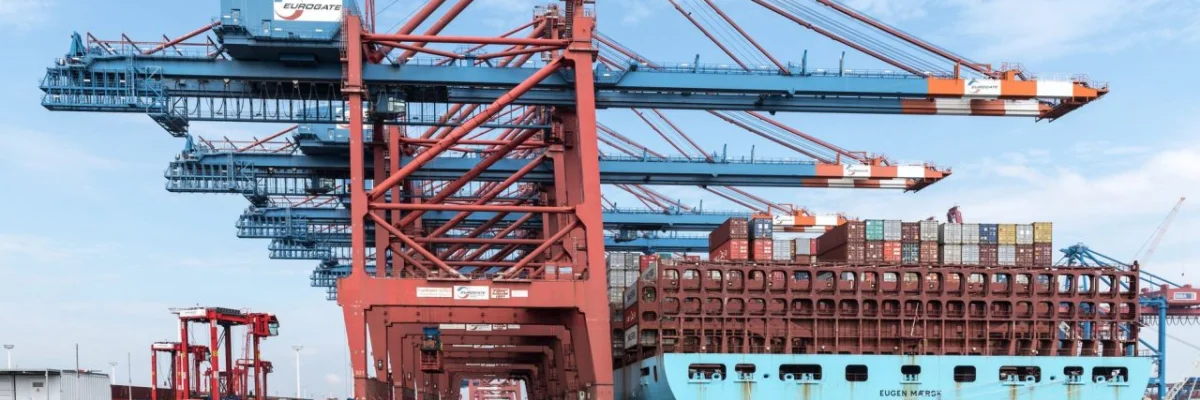
Modern freight forwarding requires a delicate balance of speed, accuracy, and regulatory compliance in an increasingly volatile global market. As supply chain demands grow, traditional manual processes often become bottlenecks that hinder scalability and profitability for forwarders. Transitioning to cloud-based platforms allows companies to unify fragmented data streams into a single source of truth. By embracing digital transformation and intelligent automation, forwarders can reclaim valuable time, reduce costly human errors, and provide superior visibility to their clients. Mastering these operational pillars is no longer optional for businesses seeking a competitive advantage in the complex landscape of international trade logistics today.
Streamlining Documentation Workflows

Managing piles of paperwork remains a significant challenge for many freight forwarding teams operating in manual environments. Digitizing documentation through automated workflows ensures that bills of lading, commercial invoices, and customs entries move seamlessly through the approval process without unnecessary delays.
- Centralized document storage: Keeping all shipment files in a secure cloud repository eliminates the need for physical filing cabinets while ensuring that authorized team members access the latest document versions.
- Automated data entry: Intelligent software extracts critical information from scanned invoices and packing lists automatically to prevent transcription errors and accelerate the booking process for every unique consignment.
- Version control tracking: Maintaining a clear history of document edits provides an essential audit trail that protects your company during disputes or inspections from various government regulatory agencies.
- Cloud based sharing: Providing instant access to shippers and consignees via digital portals fosters stronger communication and reduces the volume of repetitive status update emails sent daily.
By shifting away from legacy paper based systems, your firm can drastically reduce the turnaround time for critical documentation. Automation enables staff to focus on high value tasks like vendor management and customer support rather than manual data typing. This transformation leads to improved accuracy, faster billing cycles, and happier clients who appreciate the transparency that modern digital document management provides for their business.
Managing Carrier Relationships

Nurturing strong partnerships with ocean, air, and ground carriers is essential for securing competitive rates and reliable capacity. Leveraging data driven insights from your freight platform helps negotiate better terms based on volume trends and historical lane performance metrics.
- Performance analytics monitoring: Tracking on time delivery percentages and equipment availability across different carriers allows you to make informed decisions when selecting service providers for your urgent shipments.
- Automated rate management: Importing carrier tariffs into your software enables instant price comparisons so your agents can book the most cost effective routing options in seconds.
- Contract compliance audits: Reviewing carrier invoices against agreed contract rates helps identify overcharges and ensures that your margins remain protected throughout the duration of every active agreement.
- Collaboration tools usage: Using integrated messaging platforms keeps all stakeholders updated on capacity changes or schedule adjustments to ensure that expectations remain aligned throughout the shipping lifecycle.
Efficient carrier management relies on having a clear view of your operational data at all times. When you consolidate carrier information within your software, you gain the leverage needed to negotiate better freight rates and prioritize reliable partners. This strategic approach minimizes disruptions during peak seasons and builds long term resilience for your logistics network, ultimately safeguarding your reputation with your end customers.
Enhancing Real Time Visibility

Clients today expect absolute clarity regarding their cargo status from origin to final destination. Providing proactive tracking updates through integrated API connections transforms the user experience and reduces the burden on your customer service team for routine status checks.
- Live shipment tracking: Connecting your dashboard to carrier systems provides automatic status updates that keep your clients informed about every movement without requiring manual status inquiry phone calls.
- Exception alert systems: Automated notifications warn your operations team when a shipment experiences a delay or customs hold, allowing for immediate corrective action before the situation impacts delivery.
- Milestone mapping updates: Providing visual maps and progress bars gives customers a clear understanding of the logistics journey, which increases their confidence in your forwarder services daily.
- Proactive issue resolution: Identifying potential bottlenecks through data monitoring empowers your team to reroute cargo or adjust schedules before small problems turn into significant supply chain failures.
Real time visibility is the defining factor that sets top tier freight forwarders apart from their competitors. By automating tracking updates, you move from a reactive stance to a proactive one. This transparency builds long term trust with shippers, leading to higher retention rates and more consistent referral business, as your clients feel fully supported and informed at every crucial milestone.
Financial Operational Excellence

Financial health determines the longevity of any freight forwarding business. Maintaining precise control over billing, accounts receivable, and vendor payments is necessary for cash flow management and identifying profit leakage across your various shipping lanes and diverse service portfolios.
- Integrated invoicing modules: Generating invoices directly from shipment data ensures that all surcharges and fees are correctly captured, which prevents revenue loss and improves your overall collection speed.
- Real time profit analysis: Monitoring the profitability of individual shipments or clients helps you identify which lanes are performing well and which ones require pricing or operational adjustments.
- Automated expense tracking: Recording all vendor costs in one system provides a clear picture of your actual operational expenses versus projected figures to maintain healthy profit margins.
- Tax compliance automation: Keeping your financial records organized and compliant with international standards protects your firm from costly penalties and streamlines the process of annual corporate audits.
Financial management requires rigorous attention to detail and consistent data entry practices. By utilizing integrated financial tools, your team can eliminate the lag between service completion and invoice delivery. This improvement in cash flow stability allows you to invest back into your technology stack or staff development, ensuring that your company remains profitable and agile within a constantly shifting global economy.
Conclusion

Mastering freight operations requires a combination of technology, strategic planning, and a focus on continuous improvement. By digitizing documentation, strengthening carrier ties, enhancing visibility, and controlling finances, your forwarding business can achieve new levels of efficiency. Adopt a modern cloud based platform today to centralize your processes, reduce manual effort, and prepare your organization for the future demands of the international supply chain.