Optimizing Freight Operations for Modern Logistics Efficiency
Sunday, August 23 2026

Freight forwarding is currently navigating an era defined by rapid technological shifts and complex global supply chain demands. Professionals in this sector face the constant pressure of balancing speed with accuracy while managing unpredictable market fluctuations. To remain competitive, companies must shift from manual, document-heavy workflows toward automated cloud-based solutions that offer real-time visibility. By streamlining core operational processes, forwarders can minimize human error, reduce overhead costs, and improve communication across international borders. Embracing these digital advancements is no longer a luxury but a fundamental necessity for teams aiming to scale their operations and achieve long-term success in the industry.
Digitizing Operational Workflows
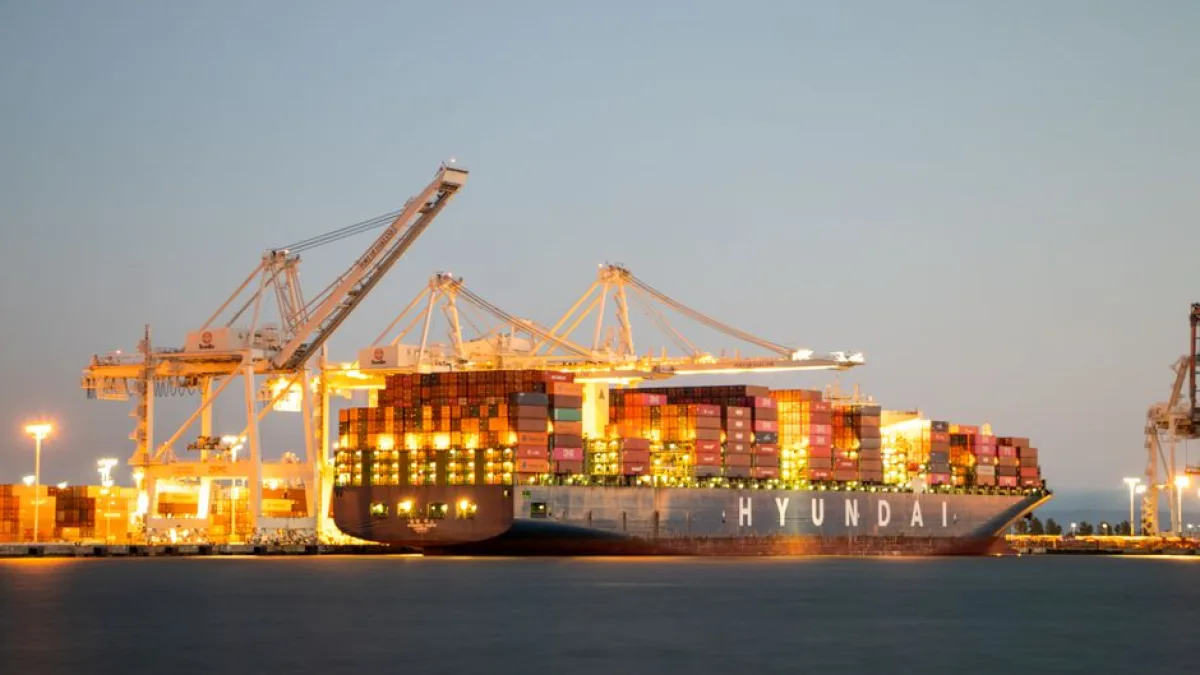
Transitioning from traditional paper-based methods to a cloud-based freight platform fundamentally changes how data flows through your organization. This digital approach ensures that every stakeholder has immediate access to critical updates and documentation for any given shipment.
- Centralized Document Storage: Maintain all your bills of lading and commercial invoices in one secure location to ensure that your team can access vital records without any unnecessary delays.
- Automated Data Entry: Utilize intelligent software tools to extract information from documents automatically, which significantly reduces manual typing errors and allows your staff to focus on higher-value tasks.
- Real-time Status Updates: Provide clients with instant visibility into their cargo progress by syncing your operational software with carrier tracking systems to ensure accurate reporting at every stage.
- Standardized Process Templates: Implement repeatable workflows for recurring shipments to maintain high quality control standards across your entire team regardless of the complexity involved in specific global trade routes.
Modernizing your workflows allows your staff to stop wasting hours on repetitive administrative chores. Instead, your team can focus their energy on building strong relationships with clients and solving complex logistics challenges. When your data is unified and easily accessible, you eliminate the silos that often cause costly misunderstandings and shipping delays, ultimately fostering a more cohesive and productive operational environment for your business.
Enhancing Carrier Communication

Efficient communication with carriers is the backbone of any successful freight operation. By integrating direct messaging and automated notification systems, your team can avoid the constant back-and-forth emails that often result in missed updates and costly shipping errors.
- Unified Messaging Hubs: Consolidate all communication with ocean and air carriers into a single thread that is linked to specific shipment files for faster reference and resolution.
- Proactive Milestone Alerts: Configure your platform to trigger automatic notifications whenever a vessel reaches a key destination, ensuring your team is always ahead of any potential bottlenecks.
- Integrated Carrier Portals: Leverage direct connections to major shipping lines that allow for instant booking confirmations and real-time schedule changes without leaving your main software dashboard interface.
- Dispute Resolution Tools: Track all correspondence regarding demurrage or detention charges to provide clear evidence that helps you resolve billing discrepancies with carriers in a professional manner.
Stronger communication leads to fewer errors and faster turnaround times for your global shipments. By ensuring that every carrier interaction is logged and transparent, you create a culture of accountability that benefits both your company and your shipping partners. This level of clarity helps in building long-term trust, which is essential for negotiating better rates and securing space during peak shipping seasons.
Managing Compliance Effectively

Global trade regulations are constantly changing, making compliance a significant hurdle for forwarders. Managing international standards requires a robust system that keeps your documentation audit-ready while ensuring all security protocols are followed during every single international freight transit.
- Regulatory Update Tracking: Use automated software alerts to receive notifications about changes in customs regulations, ensuring your filings always meet the latest legal requirements for specific countries.
- Audit Trail Logs: Keep a permanent and detailed record of every action taken on a shipment, which provides the necessary proof for regulators during unexpected audits or reviews.
- Electronic Customs Filing: Submit necessary documentation directly to government portals through your software, which speeds up the clearance process and reduces the risk of document loss issues.
- Hazardous Material Checks: Employ system validation rules that flag dangerous goods shipments, ensuring that you always adhere to strict safety guidelines and international shipping law requirements properly.
Maintaining high levels of compliance protects your business from heavy fines and legal complications that can damage your reputation. By integrating compliance checks directly into your freight management software, you remove the burden of manual monitoring from your staff. This proactive approach not only ensures that your operations remain smooth but also positions your company as a reliable and trusted expert for your customers.
Leveraging Advanced Data Analytics

The future of freight forwarding lies in your ability to harness data to drive smarter business decisions. By analyzing past performance and current market trends, your organization can identify areas for improvement and capitalize on opportunities that competitors might easily miss.
- Performance KPI Tracking: Monitor key performance indicators like on-time delivery percentages and average transit costs to identify which routes or carriers provide the best value for money.
- Cost Analysis Reports: Generate detailed breakdowns of your operational expenses to pinpoint hidden costs and adjust your pricing strategy to remain profitable in a very competitive market.
- Predictive Demand Forecasting: Utilize historical shipment data to anticipate seasonal spikes in shipping volume, allowing you to prepare your resources and capacity well in advance of demand.
- Client Profitability Insights: Evaluate which specific client accounts generate the most value, helping your sales team focus their energy on the most profitable partnerships to ensure business growth.
Data-driven insights empower you to transition from a reactive stance to a strategic leadership position within the industry. When you base your decisions on cold, hard facts rather than intuition, you reduce risk and increase efficiency across the board. Implementing these analytics tools will help you optimize your resources, cut unnecessary expenses, and ultimately deliver a superior service level to all your global clients.
Conclusion

Optimizing freight operations requires a combination of smart software, clear communication, and a commitment to data-driven decision making. By embracing cloud technology and automated workflows, your team can overcome the limitations of traditional logistics management. The strategies discussed here provide a solid foundation for building a scalable and resilient business that is ready to thrive in today's demanding international shipping and global trade environment.