Optimizing Freight Operations for Modern Logistics Success
Sunday, August 30 2026
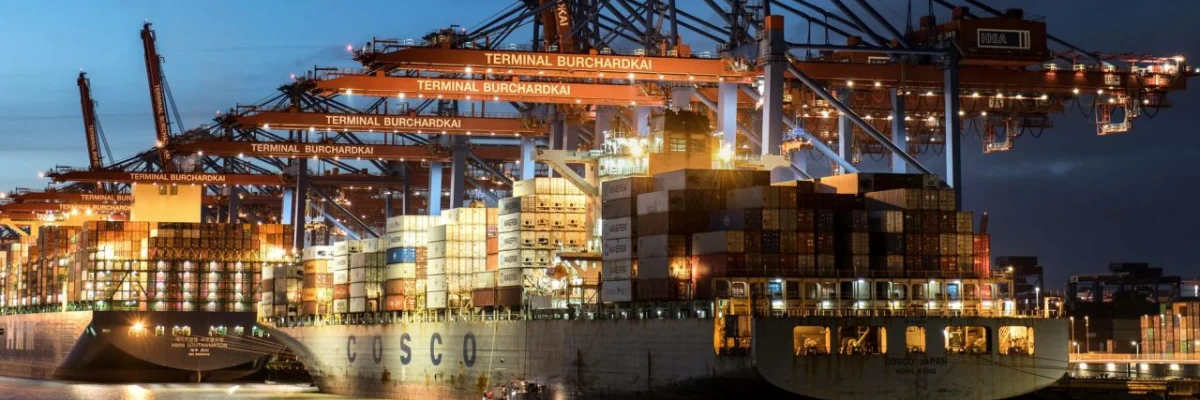
The global logistics landscape is undergoing a massive transformation as freight forwarders face increasing pressure to balance speed, cost, and visibility. Managing complex supply chains requires more than traditional methods; it demands a shift toward digital integration and real-time data monitoring. By leveraging cloud-based platforms, forwarders can eliminate manual bottlenecks and improve cross-border coordination. As client expectations for transparency continue to rise, adopting robust operational strategies becomes essential for maintaining a competitive edge. This article explores actionable techniques to refine your daily freight operations, ensuring your team remains agile and efficient while navigating the complexities of modern international shipping and distribution.
Automating Booking Workflows

Automating the booking process reduces the manual labor associated with data entry and document verification. Digital workflows allow your team to capture shipment details instantly, minimizing human error and accelerating the speed at which cargo is processed through the primary network.
- Instant Quote Generation: Automated systems provide real-time pricing updates based on live carrier rates, allowing your sales team to deliver accurate quotes to customers within seconds of receiving requests.
- Digital Document Handling: Transitioning from paper records to cloud-based document management allows for instant retrieval, error checking, and secure sharing between exporters, importers, and your internal staff members.
- Standardized Data Entry: Using predefined templates ensures that every booking contains consistent information, which helps avoid common mistakes that lead to shipping delays and costly administrative overhead.
- Automated Validation Rules: Systems automatically flag missing information or incorrect customs codes during the booking phase, preventing shipments from being held at borders due to simple clerical errors.
By shifting away from manual spreadsheets, your operation gains significant speed and accuracy. Automated booking workflows free up your logistics specialists to focus on high-value tasks, such as solving complex routing issues or building stronger client relationships. Investing in a digital-first approach ensures that your team stays ahead of competitors who are still bogged down by legacy systems and slow, manual processing times.
Enhancing Shipment Visibility
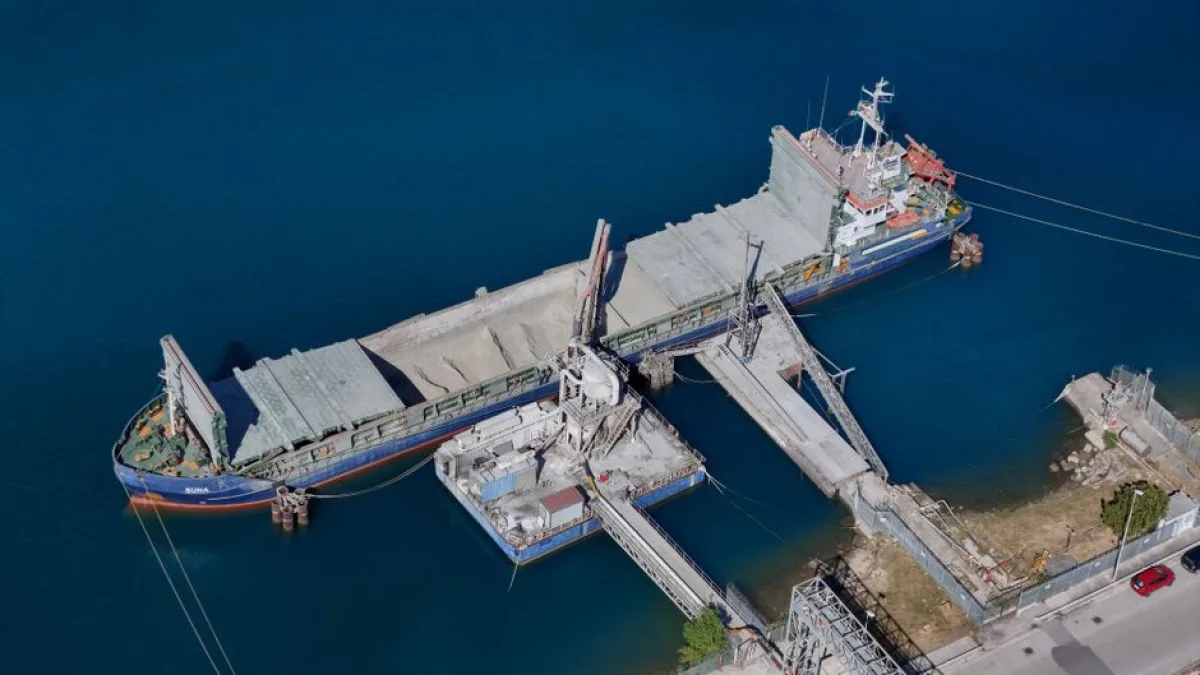
Real-time tracking provides an unprecedented view into the location and status of cargo moving across the globe. By integrating live carrier feeds, freight forwarders can keep their clients informed at every single stage of the complex delivery journey.
- Real-time Tracking Updates: Connected logistics platforms provide continuous status changes directly from carriers, keeping both your dispatch team and your end customers fully informed at all times.
- Proactive Exception Management: Smart alerts notify your operations team about potential delays before they become critical, allowing you to suggest alternative routes or solutions to the affected customers.
- Customer Transparency Portals: Providing a dedicated portal allows your clients to check shipment progress on their own schedules, which reduces the volume of support emails and phone calls.
- Carrier Data Integration: Unified dashboards aggregate information from multiple ocean and air carriers, simplifying the monitoring process for your team when managing complex multimodal freight forwarding projects.
Visibility is no longer a luxury but a fundamental requirement for modern shippers who demand constant updates. When you provide clear, data-backed insights, you build significant trust and loyalty with your client base. This level of transparency makes your services indispensable, positioning your firm as a reliable partner capable of navigating the unpredictable nature of today's international trade and global shipping lanes.
Streamlining Customs Compliance

Customs compliance is a critical stage where many shipments suffer delays. Leveraging specialized digital tools ensures that all regulatory documentation is complete and accurate before cargo reaches the port of entry, avoiding expensive fines and prolonged storage fees.
- Automated Classification Tools: Advanced software suggests the correct harmonized system codes for your specific goods, reducing the risk of incorrect declarations and potential audits from government tax authorities.
- Regulatory Update Alerts: Systems keep your team updated on changing international trade laws, ensuring that all submissions comply with the latest regulations in different countries and regions.
- Error Detection Software: Automated checks identify discrepancies between your commercial invoices, packing lists, and declarations, stopping potential compliance issues before the documents are officially submitted for clearance.
- Centralized Filing History: Maintaining a secure digital archive of all customs submissions simplifies the audit process and helps your staff handle repeat shipments with much greater efficiency.
Mastering customs compliance is the surest way to avoid the most common operational pitfalls in the freight industry. By automating the validation of sensitive documents, you protect your business from costly penalties and keep goods moving across international borders without friction. Reliable compliance processes signal professional excellence to your partners and allow your operations team to manage larger shipment volumes with higher confidence.
Optimizing Carrier Management

Managing carrier relationships effectively depends on data-driven insights. By analyzing performance metrics, forwarders can identify the most reliable partners, negotiate better rates, and ensure that their shipments are handled with the highest level of care and speed.
- Performance Analytics Dashboards: Track key performance indicators like transit time, service reliability, and damage rates to identify which carriers consistently deliver the best results for your unique requirements.
- Automated Carrier Selection: Utilize smart routing software to automatically suggest the most cost-effective and reliable carrier for each shipment based on historical data and current capacity availability.
- Direct Communication Links: Modern software includes integrated messaging tools, allowing for rapid negotiation and clarification with carrier agents, which helps prevent misunderstandings during the busy peak shipping seasons.
- Centralized Rate Management: Storing all carrier contracts in a single digital location enables your team to quickly compare options and optimize spending on every single shipment processed.
Strong carrier management creates a foundation for scalable growth and consistent profit margins. When you base your decisions on objective performance data rather than guesswork, you secure better outcomes for your clients and your own bottom line. Strengthening these partnerships allows for better problem-solving during crises and ensures your forwarder remains a preferred customer even during periods of tight global capacity.
Conclusion

Optimizing freight operations requires a commitment to digital transformation and continuous process improvement. By automating bookings, increasing visibility, ensuring compliance, and refining carrier management, your firm can operate with greater speed and reliability. Embrace these strategies today to build a more resilient logistics business that exceeds client expectations. Contact MakeCargo to see how our platform can streamline your freight forwarding operations effectively.