Optimizing Freight Operations for Modern Logistics Success
Monday, August 31 2026

The global logistics landscape is undergoing a massive transformation driven by digitalization and shifting consumer expectations. Freight forwarders are under constant pressure to move goods faster while maintaining absolute precision in documentation and regulatory compliance. Relying on legacy manual processes often creates bottlenecks that hinder growth and reduce profit margins. By adopting cloud-based solutions and integrated workflows, professionals can reclaim their time and provide superior service levels. This article outlines essential best practices designed to help modern freight forwarders optimize their daily operations, leverage new technology, and stay competitive in a challenging market that demands constant innovation and operational excellence.
Leveraging Digital Automation

Automation serves as the backbone of modern freight forwarding by eliminating repetitive manual data entry tasks that consume precious time. By integrating automated workflows, your team can focus on solving complex logistical problems rather than getting lost in tedious paperwork.
- Data Entry Accuracy: Implementing automated document parsing reduces human error significantly by ensuring that shipping details are captured directly from digital files into your core freight management platform systems.
- Automated Status Updates: Keeping your clients informed requires consistent communication, so automated milestone notifications ensure that stakeholders receive real-time updates without manual intervention from your internal support staff.
- Invoicing Workflow Speed: Generating financial documentation through automated systems accelerates the billing cycle, which directly improves your company cash flow and reduces the time spent on administrative accounting.
- Task Assignment Logic: Smart routing of tasks within your software ensures that each shipment is handled by the most qualified agent based on their specific workload and expertise.
Transitioning toward a fully digital environment allows your freight forwarding agency to scale operations without increasing headcount proportionally. When you automate the mundane aspects of cargo management, you empower your staff to concentrate on strategic client relationships. This shift not only improves overall productivity across your entire organization but also drastically reduces the potential for costly administrative mistakes during high volume periods.
Enhancing Supply Chain Visibility
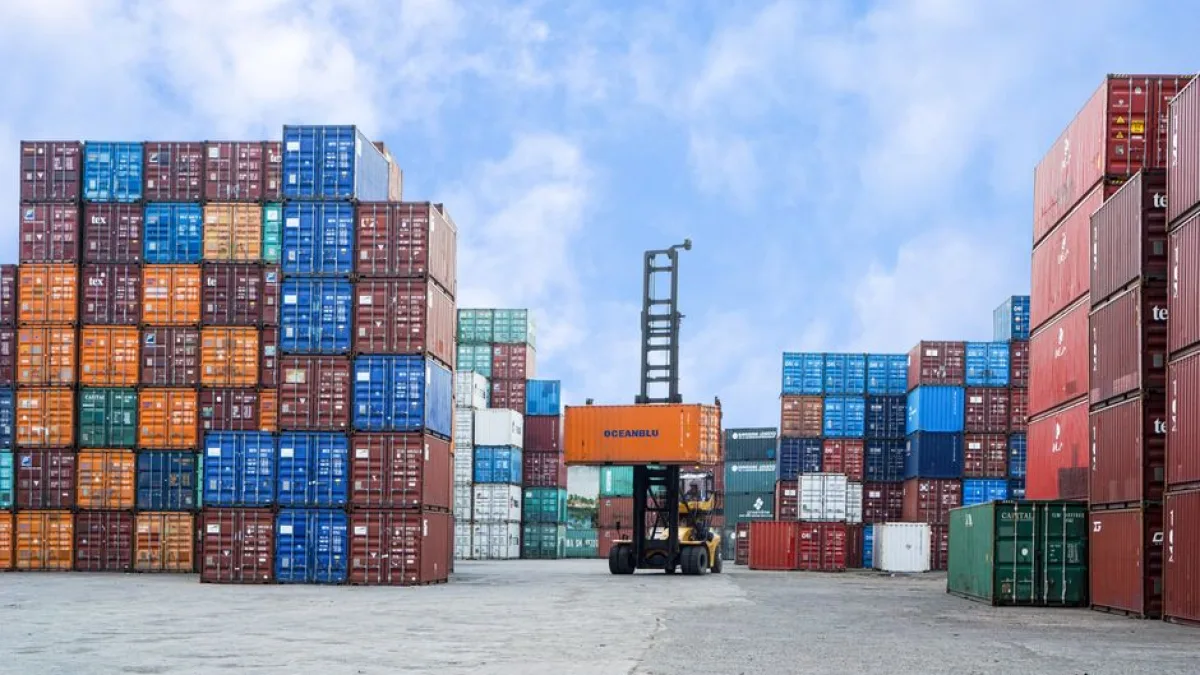
Total transparency throughout the shipping process acts as a competitive advantage that builds lasting trust with your valued clients. Providing a clear window into cargo movement helps manage expectations and allows for proactive problem solving during unexpected transit delays.
- Real Time Tracking: Integrating live carrier feeds into your dashboard provides stakeholders with immediate visibility on vessel locations and estimated delivery times for all their active freight.
- Document Access Portal: Allowing clients to retrieve essential shipping documents through a secure online portal reduces the volume of email requests for copies of bills of lading.
- Proactive Issue Resolution: Monitoring shipments closely enables your team to identify potential bottlenecks early and communicate solutions to clients before they become major service failures or disputes.
- Custom Dashboard Analytics: Utilizing data visualization tools helps you monitor key performance indicators across your entire operation to identify trends that require your immediate management attention.
High visibility is no longer just a luxury because modern shippers demand instant access to their cargo data. By providing a unified interface for tracking and document retrieval, you differentiate your firm from competitors who still rely on legacy phone calls and emails. This proactive approach to transparency fosters long-term client loyalty while simultaneously reducing the burden on your customer service department.
Optimizing Vendor Communication
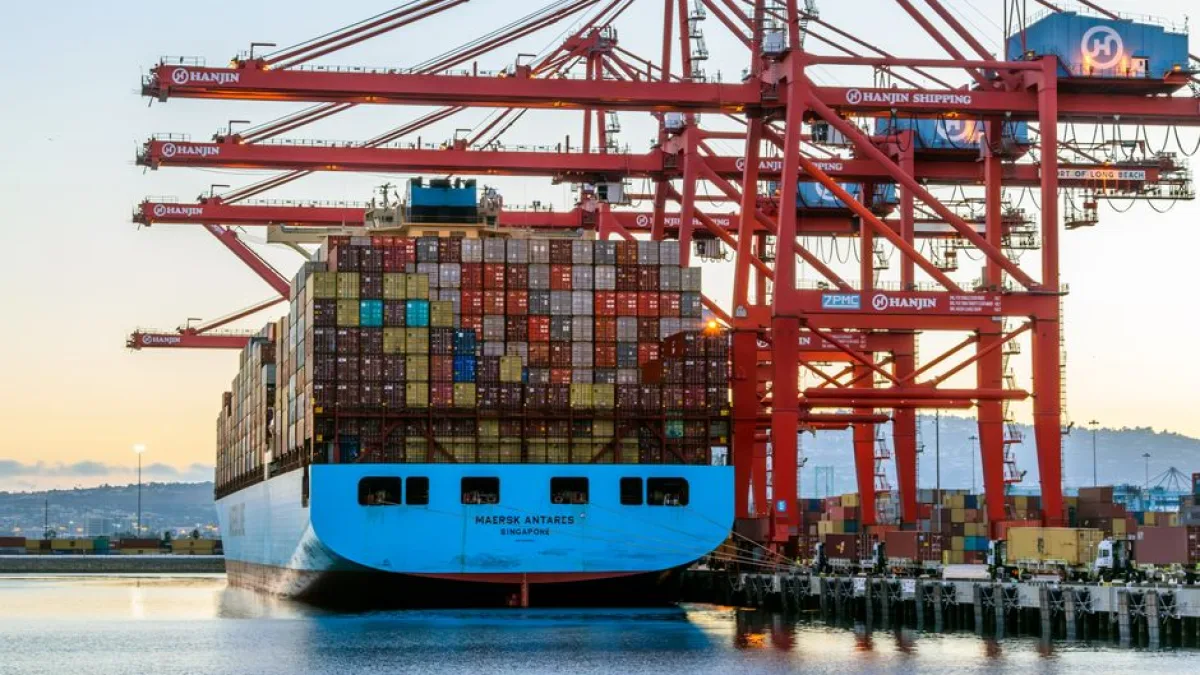
Maintaining healthy relationships with carriers, truckers, and warehouses is vital for the smooth execution of every logistics project. Effective communication protocols ensure that all parties remain aligned on shipment requirements, pricing updates, and necessary documentation throughout the journey.
- Centralized Chat Tools: Using internal messaging channels linked to specific shipment files keeps all vendor communications organized and searchable for future reference by your logistics coordination team.
- Standardized Request Templates: Developing consistent formats for rate inquiries and booking requests ensures that vendors understand your specific needs without the risk of misinterpretation or missing information.
- Vendor Performance Tracking: Evaluating your partners based on objective data points like transit time reliability helps you select the best vendors for your clients specific shipping.
- Secure File Sharing: Moving away from insecure email attachments toward secure cloud repositories protects sensitive cargo data while ensuring that all partners have the latest document versions.
Building strong vendor partnerships requires consistent engagement and clear standards for cooperation throughout the logistics lifecycle. When you streamline how you share information and requests, you minimize the risk of miscommunication that often leads to costly cargo delays or errors. Investing time in these relationships will lead to better service agreements, faster response times, and higher levels of reliability for you.
Scaling Through Cloud Software

Cloud software provides the flexibility needed to manage freight operations from anywhere in the world while ensuring data security remains a top priority. Modern platforms allow for seamless collaboration between remote teams and international branch offices without the headache of maintaining complex local server infrastructure.
- Anywhere Access Mobility: Cloud platforms enable your staff to manage shipments securely from any location, which supports remote work environments and increases your business operational agility today.
- Scalable Infrastructure Needs: Choosing software that grows with your business means you only pay for the capacity you actually need while retaining the ability to expand quickly.
- Data Backup Security: Automated cloud backups ensure that your critical shipment history and financial records remain protected against potential hardware failures or local cybersecurity threats constantly.
- Seamless Platform Integration: Connecting your freight software with accounting or CRM tools creates a unified ecosystem that eliminates data silos and improves efficiency for everyone involved.
Adopting cloud technology is a fundamental step toward future-proofing your freight forwarding business against an ever-changing industry landscape. These tools provide the robust security and collaborative features that modern logistics teams require to stay ahead of the competition. By moving your operations to the cloud, you create a foundation for sustainable growth that supports your team while enhancing service delivery for clients.
Conclusion

Mastering the art of freight forwarding requires a combination of smart technology adoption and refined operational workflows. By implementing the strategies discussed in this guide, you can improve efficiency and deliver superior results for your clients. Focus on continuous improvement and leverage modern tools to stay ahead of industry demands. Start optimizing your logistics business today by refining your core internal processes now.