Optimizing Freight Operations for Modern Logistics Efficiency
Thursday, September 3 2026

Modern freight forwarding requires a delicate balance of speed, accuracy, and communication. As supply chains grow more complex, professionals must leverage advanced digital tools to maintain a competitive edge. Relying on manual processes leads to bottlenecks that can delay shipments and erode client trust. By adopting cloud-based platforms, forwarders gain total visibility into their logistics workflows. This transformation allows teams to shift their focus from repetitive data entry to strategic decision making. Embracing digital innovation is no longer a luxury but a fundamental necessity for companies aiming to thrive in the volatile global marketplace today.
Streamlining Documentation Workflows

Managing global shipments involves an immense volume of paperwork that can overwhelm even the most experienced teams. Digital document management solutions reduce errors, ensure compliance, and allow for real-time collaboration between agents and carriers across various international borders.
- Automated Data Entry: Implement software that automatically extracts information from bills of lading to minimize human error and significantly accelerate the speed of processing your daily freight documents.
- Centralized Cloud Storage: Access critical shipping files from any location globally to ensure that your entire logistics team stays synchronized while managing complex import or export shipments.
- Compliance Tracking Systems: Utilize automated alerts to monitor expiration dates for customs declarations and permits, ensuring your operations remain fully compliant with ever-changing international trade regulations.
- Standardized Document Templates: Create uniform templates for commercial invoices and packing lists to maintain professional consistency and reduce the time spent formatting files for every new client.
By digitizing your entire document management pipeline, you remove the common friction points that lead to costly delays. When staff members spend less time searching for misplaced files, they have more capacity to handle high-value tasks. This transition to a paperless environment not only improves overall accuracy but also enhances the professional experience for your partners and clients in the global supply chain.
Leveraging Real-Time Tracking Data

Visibility is the backbone of modern freight forwarding services. Providing clients with accurate, live updates regarding their cargo status builds long-term loyalty and reduces the frequency of time-consuming inquiries regarding the current physical location of goods in transit.
- Live Shipment Dashboards: Provide clients with a transparent web interface where they can view the live progress of their freight without needing to contact your operations team.
- Carrier Integration Tools: Connect directly to carrier portals to pull status updates into your software, ensuring that all tracking information remains accurate and consistent for everyone.
- Automated Status Alerts: Send proactive notifications to stakeholders whenever a shipment reaches a major transit milestone to keep them fully informed throughout the entire logistics lifecycle.
- Exception Management Protocols: Identify potential transit delays immediately through system monitoring, allowing your team to proactively suggest alternative routes before the problem escalates to a crisis.
Real-time data transparency transforms the way your business interacts with customers. Instead of reacting to problems after they occur, you become a proactive partner that anticipates potential risks. This high level of service differentiates your firm from competitors who still rely on manual tracking methods. Investing in visibility tools ultimately drives higher satisfaction rates and secures your reputation as a reliable forwarder.
Improving Financial Operations Accuracy

The financial health of your forwarding business depends on the speed and precision of your billing cycles. Integrating invoicing with your operational data ensures that every cost is captured, correctly invoiced, and settled promptly to maintain steady company cash flow.
- Automated Invoice Creation: Generate accurate invoices instantly based on completed shipment milestones to reduce the time between service delivery and final payment collection from your clients.
- Integrated Expense Tracking: Record all vendor costs directly against specific shipment files to ensure that you never miss a billable charge during the client invoicing process.
- Currency Conversion Tools: Automatically update exchange rates for international shipments, ensuring your financial reporting remains accurate even when dealing with multiple currencies in your global operations.
- Payment Reconciliation Systems: Match incoming payments against outstanding invoices automatically to save your accounting department countless hours of manual work every single business month.
Automating your financial processes prevents the profit leaks that occur when charges are forgotten or calculated incorrectly. When your billing is integrated with your operations, your team can clearly identify the profitability of every individual shipment. This financial clarity allows you to make informed decisions about your service pricing and partner selection, which leads to more sustainable growth for your business.
Building Stronger Carrier Relationships
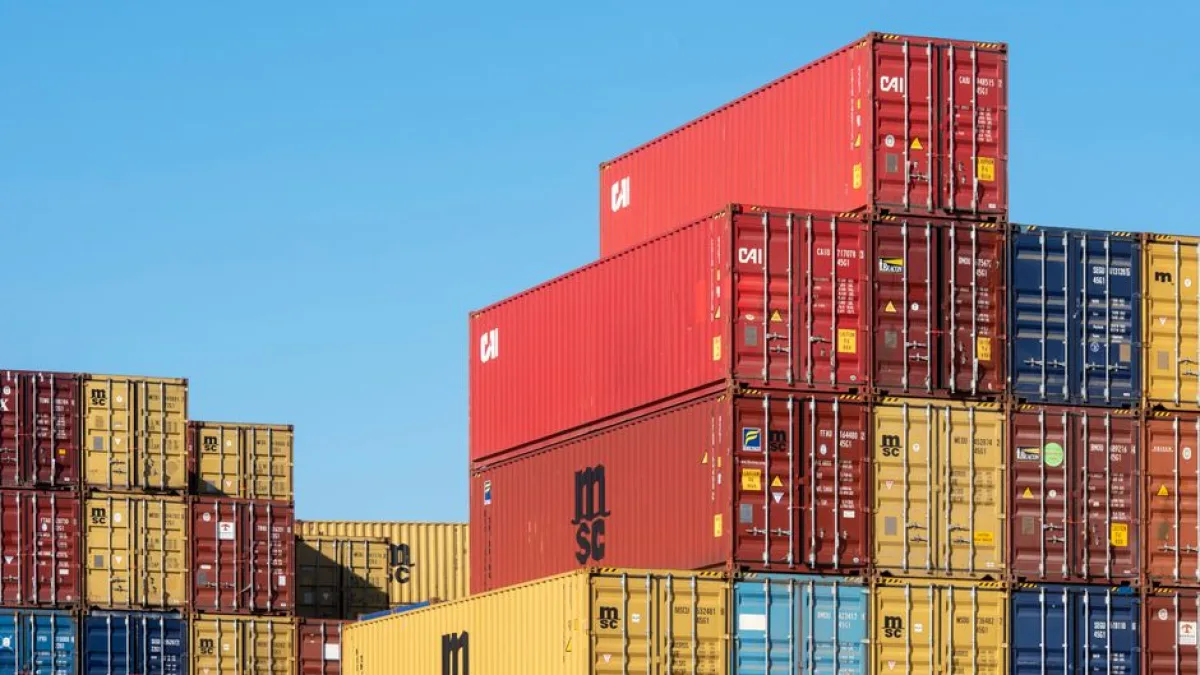
Maintaining healthy relationships with carriers is essential for securing capacity during peak seasons. Effective communication and fair payment terms create a partnership where both sides benefit from shared operational success and long-term business growth goals.
- Carrier Performance Reports: Analyze historical data to identify the most reliable carriers, helping you choose partners that consistently meet your delivery schedules and quality standards every time.
- Streamlined Booking Requests: Send standardized electronic booking requests to your network of carriers to ensure that all required shipment details are provided clearly and without ambiguity.
- Centralized Communication Logs: Keep every email, note, and message within a single shipment file to ensure that your entire team can support the relationship during negotiations.
- Fair Settlement Terms: Manage payments through your software to ensure your carriers are paid on time, building trust and priority status for your future urgent shipments.
Strong carrier networks are your greatest asset when logistics challenges arise. By providing clear information and reliable payment schedules, you become a preferred shipper for the best transport providers. This positive reputation helps you secure space when capacity is limited across the globe. Focus on nurturing these partnerships through digital efficiency to ensure your company remains a leader in the competitive freight industry.
Conclusion

Optimizing freight operations requires a commitment to digital tools that enhance visibility and speed. By streamlining your documentation, tracking, and billing processes, you build a foundation for scalable success. Implement these strategies today to reduce operational friction and provide superior service to your global clients. Start your journey toward a more efficient and profitable freight forwarding future with MakeCargo software solutions.