Optimizing Freight Operations for Modern Logistics Efficiency
Wednesday, September 23 2026
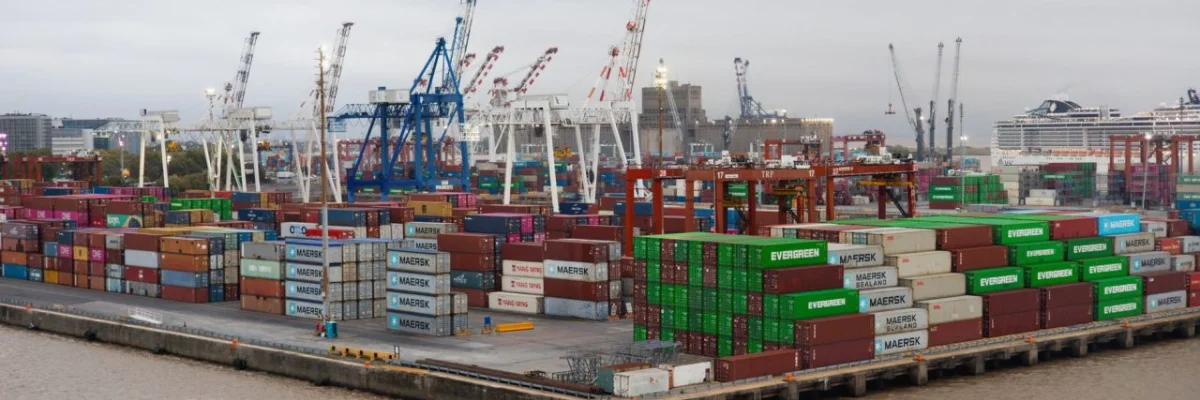
Freight forwarding professionals face constant pressure to balance speed, cost, and accuracy in an increasingly volatile global market. Traditional manual processes often lead to bottlenecks, communication delays, and costly errors that threaten profit margins. By integrating advanced cloud-based software solutions, freight forwarders can transition from reactive firefighting to proactive shipment management. This shift allows teams to leverage real-time data for better decision-making while significantly reducing the administrative burden on operational staff. Embracing digital transformation is no longer a luxury but a fundamental necessity for staying competitive and delivering consistent value to global clients across complex logistics networks.
Automating Workflow Processes
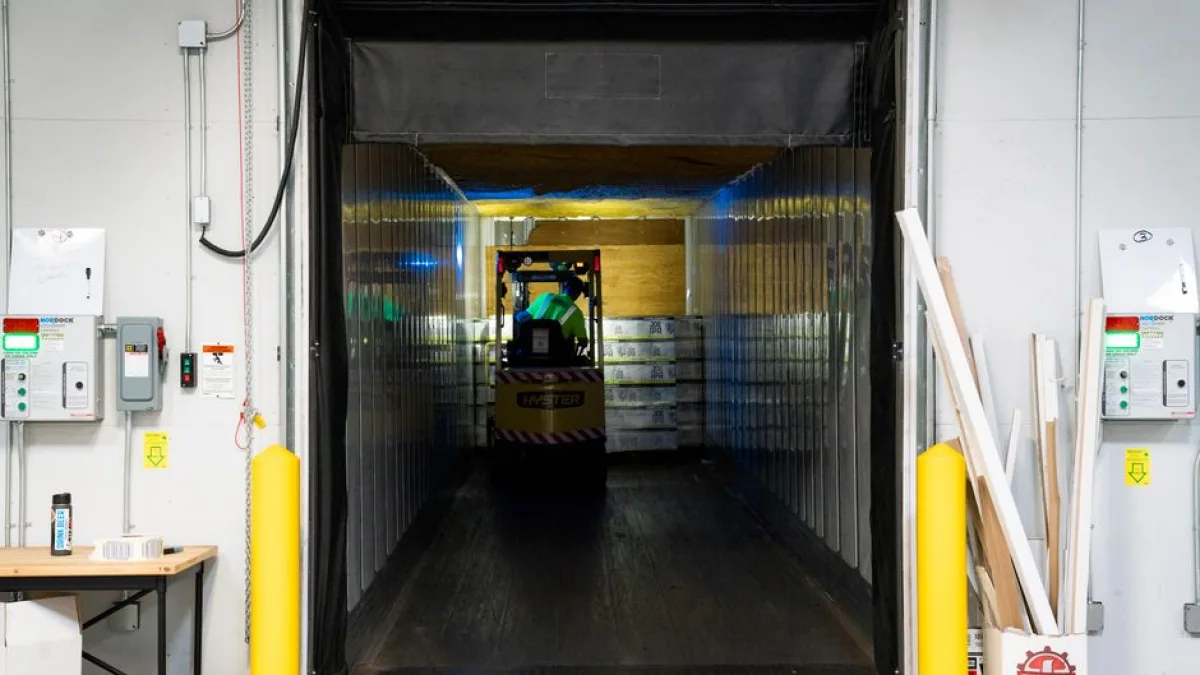
Automation serves as the backbone of modern freight operations, stripping away the friction caused by repetitive manual data entry tasks. By utilizing digital tools to standardize document workflows, logistics teams can focus their energy on high-value tasks and customer relationship management.
- Eliminating manual errors: Automating shipment data entry prevents common typographical mistakes and ensures that bill of lading details remain accurate across every digital touchpoint in your logistics chain.
- Standardizing document flows: Creating automated workflows for customs documentation ensures that all necessary forms move through compliance checks efficiently without human intervention at every single step.
- Increasing operational speed: Software integration drastically reduces the time between receiving a booking request and generating an official confirmation for the client or partner shipping lines.
- Scaling business capacity: Digital automation platforms allow your existing team to handle a significantly higher volume of shipments without needing to increase headcount for administrative duties.
When you automate your core workflows, you create a scalable foundation that supports business growth. This transition allows your staff to shift their focus toward solving complex transit issues rather than chasing paperwork. As your team masters these digital tools, the consistency of your service levels will improve, creating a more reliable operation that builds deep trust with your partners and international shipping clients.
Enhancing Real-time Shipment Visibility
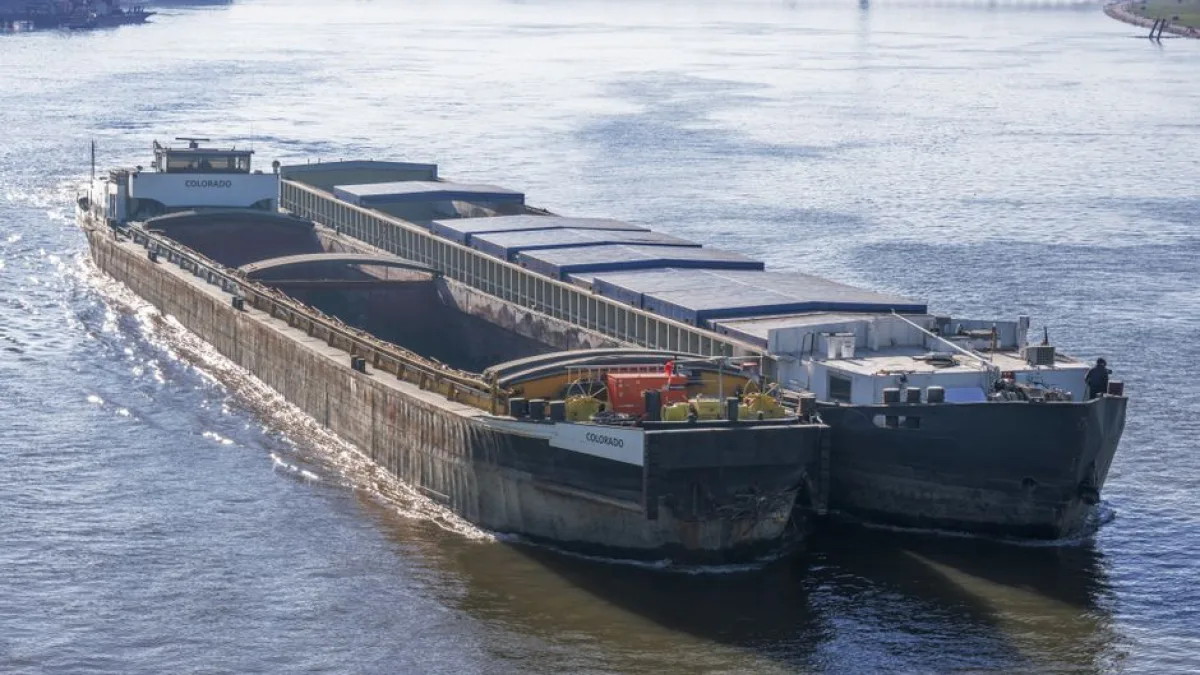
Visibility provides the transparency needed to satisfy customer demands for immediate updates on cargo status. Advanced tracking tools connect your internal operations with carrier data to provide a seamless overview of every container currently in transit across the ocean.
- Tracking global containers: Integrated GPS and carrier APIs allow your team to monitor container movements across international waters with live map views and automated status update notifications.
- Improving customer communication: Providing clients with a self-service portal for tracking their own freight shipments reduces the number of inbound status inquiries your team handles daily.
- Managing transit exceptions: Real-time alerts notify your operational staff the moment a delay occurs, allowing for immediate corrective action before a minor setback becomes a problem.
- Optimizing supply chains: Granular data regarding transit times helps your team identify bottlenecks in specific trade lanes, allowing for better planning and more accurate client forecasting.
Total visibility is essential for maintaining control over complex shipping routes in today's fast-paced environment. By giving both your team and your clients access to live tracking data, you minimize uncertainty and prevent unnecessary communication overhead. This transparent approach fosters strong long-term relationships while demonstrating a professional commitment to technological excellence in the competitive world of global freight forwarding services and shipping.
Managing Customs and Compliance

Compliance remains a complex landscape where mistakes lead to severe penalties or cargo seizures. Proper management systems ensure that all regulatory filings are handled correctly, protecting your business from the risks associated with international trade law violations every day.
- Ensuring regulatory compliance: Centralized software databases house the latest customs regulations, ensuring that all documentation meets the specific requirements of destination ports and international maritime laws.
- Reducing filing errors: Automated validation checks identify inconsistencies in your paperwork before submission, preventing costly delays at border crossings or inland terminals during shipment movement.
- Centralized document storage: Keeping all compliance records in one secure cloud environment simplifies the audit process and provides quick access during routine inspections by authorities.
- Seamless tariff management: Digital platforms automatically update tariff classifications and duty calculations, ensuring that your financial estimations for clients are always accurate and legally sound.
Navigating the intricacies of international customs requires a robust digital strategy that emphasizes accuracy and speed. By implementing software that manages compliance, you mitigate risk while speeding up the release of goods at destination points. A proactive approach to documentation keeps your operations moving smoothly across borders, reinforcing your reputation as a reliable forwarder capable of handling complex international logistics requirements.
Strengthening Carrier Partnerships

Strong carrier relations define the service quality you can offer your clients during peak shipping seasons. Technology helps you manage these partnerships effectively by providing clear performance analytics and reliable communication channels for every shipping line or warehouse partner.
- Evaluating carrier performance: Performance dashboards allow you to review historical data on transit times and pricing, helping you choose the best carrier for each specific route.
- Streamlining partner communication: Integrated messaging systems keep all correspondence with carriers within the shipment file, ensuring that no critical instructions or documents get lost during discussions.
- Negotiating better rates: Access to historical volume data empowers your team to negotiate more effectively with carriers by demonstrating your consistent business growth and future potential.
- Managing multi-modal flows: Unified platforms allow you to coordinate seamlessly between ocean, rail, and trucking partners, creating a cohesive transport strategy that covers the entire cargo journey.
Building strong connections with your carrier network is vital for long-term success in freight forwarding. When you utilize data-driven insights to manage these partnerships, you improve your service reliability and operational efficiency. By fostering these digital links with your partners, you create a resilient supply chain capable of handling market fluctuations while maintaining the high quality of service your clients expect daily.
Conclusion

Mastering freight operations requires a commitment to digital tools that provide clarity, speed, and accuracy. By focusing on automation, visibility, compliance, and carrier management, forwarders can streamline their daily tasks and improve overall service levels. Start your journey toward operational excellence by evaluating your current software stack and identifying areas where technology can drive greater value for your team and your clients today.