Optimizing Freight Operations for Modern Logistics Efficiency
Friday, September 25 2026

Modern freight forwarding is undergoing a profound transformation driven by rapid technological advancements and shifting global trade patterns. As companies face increasing pressure to provide real-time visibility, manage complex multi-modal shipments, and reduce operational costs, the traditional methods of handling cargo are no longer sufficient. Freight forwarders must now embrace digital transformation to remain competitive in a saturated marketplace. By prioritizing automation, data-driven decision-making, and seamless cloud-based communication, logistics professionals can navigate volatile market conditions while delivering superior value to their clients. This guide explores the foundational strategies necessary to streamline your daily operations and foster long-term growth in the industry.
Automating Manual Documentation Tasks

Automating documentation is the most effective way to eliminate errors and save time. By moving away from manual data entry and paper-heavy processes, forwarding firms can significantly boost productivity, reduce human-related mistakes, and ensure that compliance documentation is handled accurately and on schedule.
- Data extraction tools: Advanced OCR software allows your team to pull information from bills of lading and commercial invoices, eliminating the tedious work of manual data entry and typing.
- Automated compliance checks: Integrated software systems flag missing documents or regulatory discrepancies immediately, ensuring your cargo clears customs without unnecessary delays or expensive fines from local authorities.
- Digital signature integration: Adopting secure electronic signatures accelerates the approval process for international trade contracts and shipping documents, allowing you to finalize agreements in mere minutes instead of days.
- Template creation software: Utilizing standardized document templates ensures consistency across all operations, which helps your team maintain a professional image while reducing the time spent editing basic paperwork.
- Cloud document storage: Keeping all shipment files in a central cloud location ensures your global team can access critical information at any time, which fosters better internal collaboration.
Adopting these automated tools allows your staff to focus on high-value tasks that actually grow your business rather than drowning in administrative busywork. When documentation processes are streamlined, your team can manage larger volumes of shipments with the same number of resources. This scalability is crucial for maintaining profitability in a freight market that often rewards those who can act the fastest and most reliably.
Enhancing Real-Time Shipment Visibility
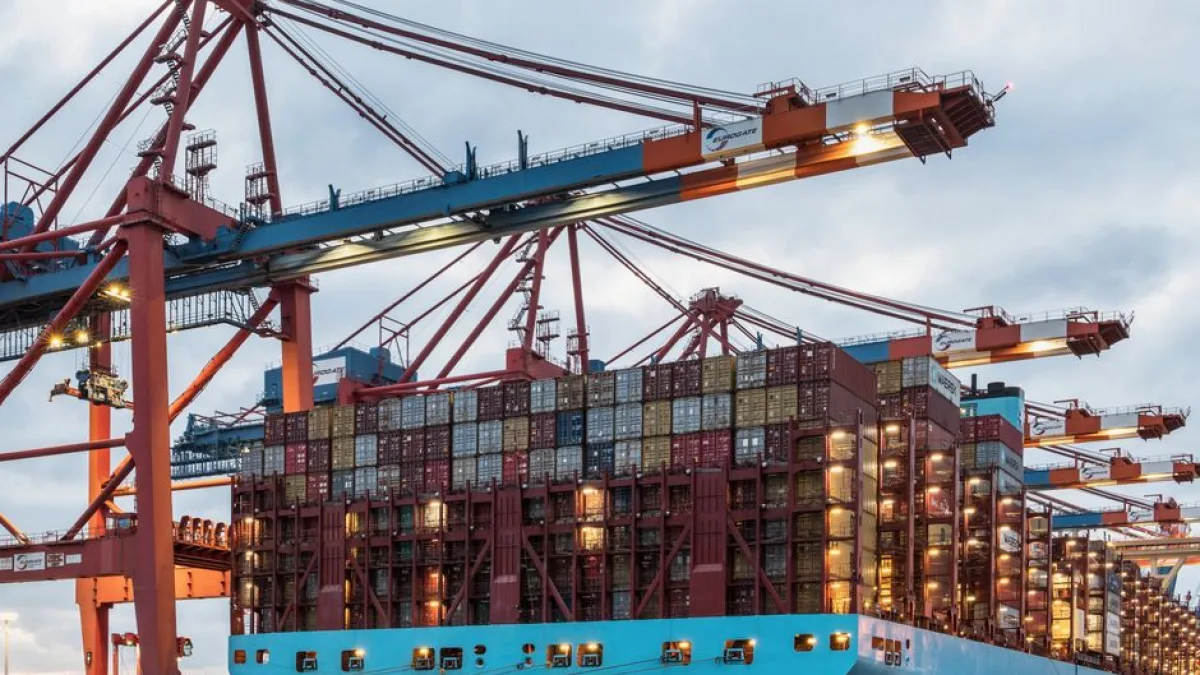
Visibility is the new currency in global logistics. Customers expect instant updates on where their cargo is located at every stage of the transit process. Providing this level of transparency requires robust digital infrastructure that connects you directly to global carrier data sources.
- Integrated tracking APIs: Connecting your dashboard to global carrier networks provides instant status updates on your shipments, which eliminates the need for endless manual email follow-up inquiries.
- Automated customer notifications: Setting up automatic alerts for key milestones ensures that your clients stay informed throughout the entire journey, which builds immense trust and brand loyalty.
- Predictive delay analytics: Modern platforms use historical data to forecast potential bottlenecks, allowing you to warn clients early and provide alternative solutions before a major problem arises.
- Centralized logistics portal: Providing clients with a self-service portal for tracking shipments reduces the number of inbound status calls, freeing your support team for more complex tasks.
- Vessel geolocation monitoring: Using satellite data to track exact vessel positions gives you an edge over competitors by providing highly accurate arrival estimates for sea freight shipments.
Providing clear and accurate visibility transforms the customer experience from a reactive struggle to a proactive partnership. By offering precise tracking updates, you demonstrate professionalism and reliability that clients will value during volatile shipping seasons. This commitment to transparency not only reduces your operational workload regarding status updates but also positions your company as a reliable leader in the global logistics industry.
Streamlining Carrier and Vendor Communication

Effective communication is the backbone of successful freight forwarding operations. Managing dozens of carriers, trucking companies, and warehouses requires a centralized platform that keeps all stakeholders on the same page. Without a clear system, information gaps lead to costly delays.
- Unified messaging platforms: Using a dedicated portal for communications ensures that every conversation regarding a specific shipment is saved in one place for easy future reference.
- Vendor portal access: Giving your partners access to specific tasks within your software ensures they update statuses immediately, which removes the need for you to chase them.
- Automated status requests: Configure your system to send automatic emails to vendors when updates are due, ensuring that you receive the data necessary for your internal operations.
- Internal chat integration: Enabling instant messaging between your office staff and warehouse teams helps solve shipment issues in real time, preventing the common pitfalls of email chain confusion.
- Standardized feedback loops: Creating a simple way to track vendor performance helps you identify which partners are reliable and which are causing issues for your business.
When communication is centralized, your operation avoids the trap of disjointed information silos. Your team will spend less time hunting through email threads and more time managing freight operations effectively. By creating a collaborative environment for your partners and employees, you simplify the flow of information across the supply chain, resulting in fewer errors and a much more reliable service for your customers.
Leveraging Data for Strategic Growth

Data is the silent engine behind successful forwarding operations. By analyzing performance metrics, you can identify hidden costs and operational inefficiencies that are eating away at your profit margins. Making data-backed decisions is essential for staying agile in a changing market.
- Profitability per shipment: Tracking expenses against revenue for every move helps you identify low-margin lanes, allowing you to adjust pricing strategies or renegotiate your carrier service contracts.
- Carrier performance analysis: Monitoring transit times and incident rates across your carrier base allows you to select the most efficient partners for your most critical customer lanes.
- Cost trend forecasting: Analyzing historical shipping prices helps your sales team provide accurate quotes to customers, ensuring that you maintain healthy margins even when market prices fluctuate.
- Operational bottleneck identification: Reviewing the time spent on each stage of the shipment cycle reveals where your team is getting stuck and where further automation is needed.
- Customized client reporting: Offering your high-value clients detailed reports on their shipping activity provides them with strategic value that encourages them to renew their service contracts.
Transforming raw data into actionable insights gives your business a distinct competitive advantage. Instead of relying on gut feelings, you can implement strategies that are proven to improve efficiency and boost the bottom line. Consistently reviewing these key performance metrics ensures your company remains lean, adaptable, and ready for future expansion. Use data to turn every shipment into a learning opportunity for your team.
Conclusion

Optimizing your freight operations is a continuous process that requires the right blend of technology and strategy. By automating manual tasks, improving visibility, streamlining communications, and leveraging data, your firm will be well-positioned to excel in the global market. Start small by digitizing one process today, and watch how efficiency gains drive growth and client satisfaction across your entire logistics organization.