Optimizing Freight Operations for Modern Logistics Efficiency
Monday, September 28 2026

Freight forwarding is undergoing a massive digital transformation that requires logistics professionals to rethink traditional workflows. As supply chains become more complex and client expectations for real-time visibility continue to rise, the ability to manage data accurately determines your company's market competitiveness. By moving away from manual spreadsheets and siloed legacy systems, forwarders can reclaim hours of administrative labor. This article explores how adopting cloud-based platforms and standardized operational strategies allows mid-sized logistics providers to scale effectively while reducing overhead costs, ultimately ensuring that your cargo moves through the global network with speed and precision.
Automating Documentation Processes

Manual data entry remains the single greatest bottleneck for logistics teams handling high volumes of international shipments. Automating these tedious workflows reduces human error significantly while freeing up your experienced staff to focus on solving complex logistical challenges for your valued clients.
- Data extraction tools: Deploying advanced software that pulls critical information from commercial invoices and packing lists ensures that your documentation remains accurate and ready for customs clearance every time.
- Standardized digital templates: Utilizing pre-configured document templates prevents inconsistencies in your paperwork, which helps your team avoid common errors that often lead to expensive delays at major border crossings.
- Cloud integration sync: Connecting your document management system directly to your carrier portals allows for seamless file sharing, ensuring that all relevant stakeholders access the same updated information instantly.
- Automated notifications triggers: Configuring system alerts for document expiration or missing compliance filings ensures that your operations team acts proactively before minor paperwork issues spiral into major cargo shipment delays.
Transitioning toward a paperless environment is not merely a modern convenience, but a necessary step for maintaining operational compliance in the current trade climate. By reducing reliance on physical files and manual verification, you lower the risk of data entry mistakes that frequently plague international shipments. This shift allows your forwarding agency to improve throughput and increase overall document processing speed for every client.
Enhancing Real-Time Shipment Visibility
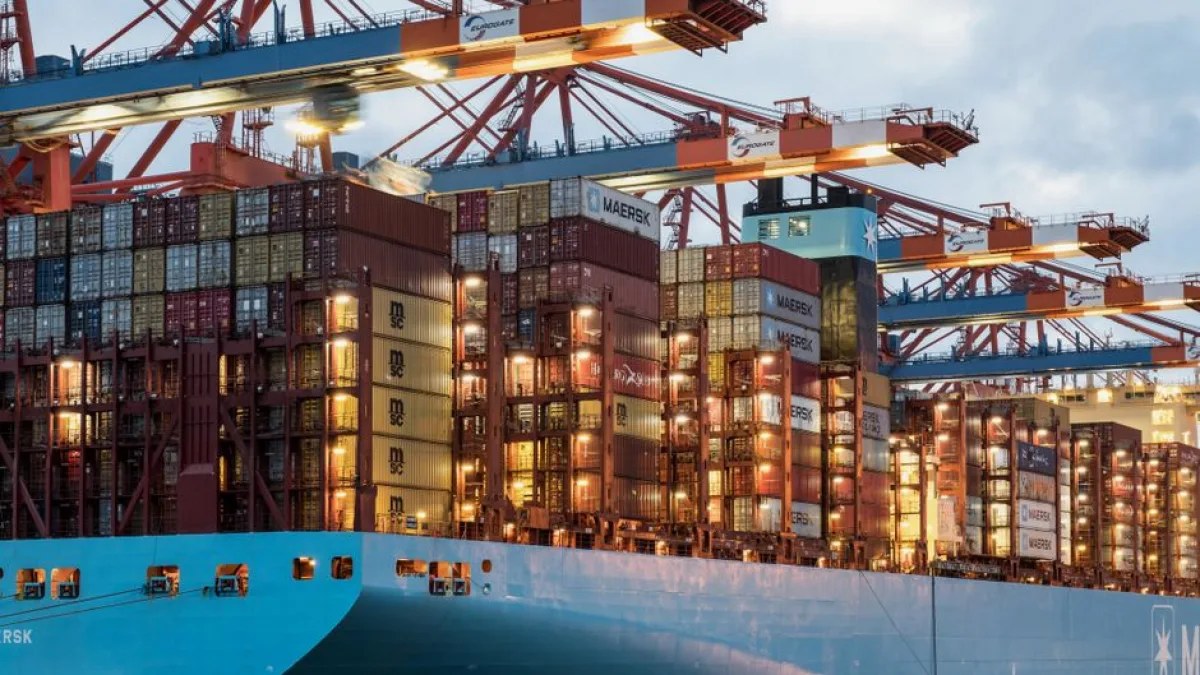
Providing clients with precise updates regarding the location of their goods is now a baseline expectation in global logistics. Investing in modern tracking technology empowers your team to deliver accurate arrival estimates that build long-term trust and strengthen your client partnerships.
- Live tracking feeds: Implementing API integrations with ocean and air carriers provides your team with live positioning data that translates into reliable shipment updates for your demanding customers.
- Milestone automated alerts: Sending proactive notifications to shippers whenever a container clears customs or arrives at a transshipment hub improves transparency and reduces inbound inquiry volume for staff.
- Customized client dashboards: Offering a personalized web portal where shippers view their cargo status around the clock enhances the user experience and differentiates your forwarding service from competitors.
- Exception management alerts: Receiving immediate notifications when a vessel is delayed or a port experiences congestion allows your team to inform clients and arrange alternative transport options quickly.
Visibility serves as the cornerstone of professional freight forwarding in the modern era of logistics. When you maintain a clear view of your supply chain, you minimize the mystery that typically surrounds long-haul transit. This proactive approach transforms how you interact with shippers, shifting the dynamic from reactive problem solving to strategic logistics management that adds real value to your service offerings.
Optimizing Carrier Procurement Strategy

Securing the right transport capacity at competitive rates is a constant challenge for every freight forwarder. Developing a robust procurement strategy using data-backed insights allows your organization to maintain healthy profit margins while ensuring that your shippers always receive the best service.
- Historical rate analysis: Reviewing past shipment costs helps your procurement team identify seasonal pricing trends, enabling more informed negotiations with steamship lines and regional trucking companies for future contracts.
- Carrier performance metrics: Tracking data on carrier punctuality and damage rates allows you to reward reliable partners while filtering out low-quality providers that jeopardize your professional service reputation.
- Digital RFP management: Using specialized platforms to manage request for proposal cycles simplifies the comparison of carrier offers, which saves your team significant time during peak procurement seasons.
- Spot market flexibility: Balancing long-term contracts with spot market access ensures that your team maintains the necessary flexibility to navigate sudden supply chain disruptions without inflating overall shipping costs.
A strategic approach to carrier management directly impacts your bottom line by balancing costs against the necessity of reliable performance. By treating procurement as an analytical process rather than a guessing game, you gain a significant advantage in volatile markets. Consistent evaluation of your carrier network ensures that every shipment is handled by an optimal partner at a fair market price point.
Improving Internal Team Collaboration

Freight forwarding requires seamless coordination between sales, operations, and accounting departments to keep cargo moving efficiently. Creating a unified internal environment through integrated software platforms ensures that every team member works from the same set of facts to avoid confusion.
- Centralized communication channels: Moving team discussions into a dedicated logistics platform keeps project history accessible to all authorized personnel, which prevents important details from getting lost in emails.
- Task management assignment: Defining clear responsibilities for each phase of the freight lifecycle ensures accountability across your organization and prevents tasks from falling through the cracks during busy.
- Unified financial records: Integrating operational software with your accounting suite enables real-time margin tracking for every individual shipment, which provides management with accurate data for financial decision making.
- Cross-departmental visibility: Giving the sales team access to shipment status updates allows them to manage client expectations effectively without needing to interrupt the operations department for updates.
Collaboration remains the hidden engine that drives high-performing freight forwarding companies toward consistent growth and stability. By removing information silos and fostering a culture of transparency, your team becomes more agile and responsive to the needs of your global shippers. This internal alignment is exactly what allows your organization to handle increased shipment volume while maintaining high levels of service quality throughout.
Conclusion

Effective freight operations require a blend of modern technology and disciplined management strategies to succeed in a competitive landscape. By focusing on automation, visibility, carrier procurement, and internal collaboration, your business will achieve greater efficiency and reliability. Start implementing these operational improvements today to streamline your workflows, lower administrative costs, and provide your global clients with the high-quality service they expect from a partner.