Optimizing Freight Operations for Modern Logistics Efficiency
Thursday, October 1 2026
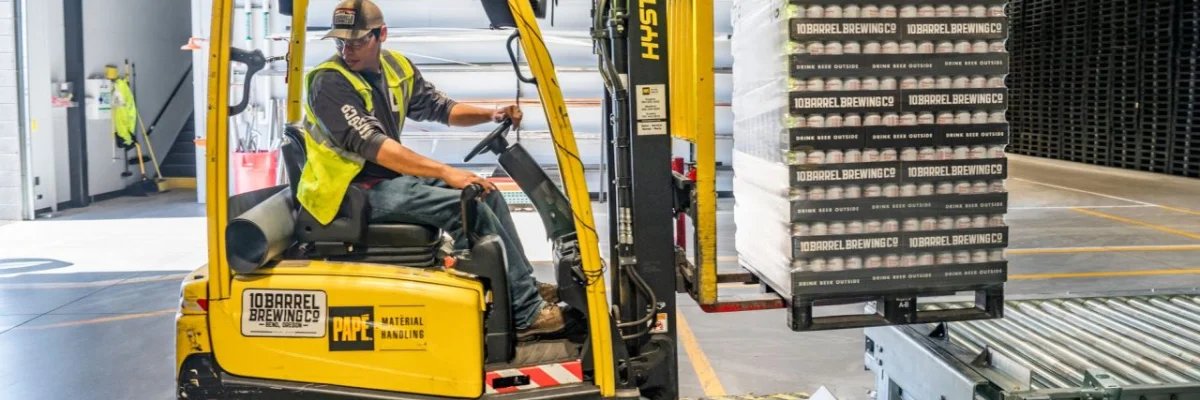
Freight forwarding professionals operate in an industry defined by relentless complexity and volatile global supply chain demands. To maintain a competitive edge in this environment, companies must transition from legacy manual processes to integrated digital ecosystems. High performance in freight operations requires seamless communication between stakeholders, real-time visibility into cargo movements, and the rapid processing of complex shipping documentation. By adopting cloud-based platforms, forwarders can eliminate data silos, reduce human error, and enhance client satisfaction. This strategic shift not only improves current workflows but also lays the necessary foundation for scaling operations while managing increasing volumes of international trade effectively.
Automated Documentation Workflows
Effective document management is the backbone of successful freight operations. By transitioning from paper-based systems to automated digital workflows, forwarders can drastically reduce the time spent on repetitive tasks while ensuring compliance with international regulations and customs requirements across global trade lanes.
- Instant data extraction: Optical character recognition technology allows teams to pull critical information from bills of lading and invoices instantly to minimize manual data entry errors during shipment creation.
- Centralized document repository: Cloud platforms provide a single source of truth where all stakeholders can access, update, and sign documents securely from any location across the globe.
- Compliance tracking tools: Integrated software automatically validates documentation against regional customs rules to ensure every shipment adheres to strict legal standards before it reaches the entry port.
- Automated status notifications: Smart systems trigger real time alerts for both internal teams and external customers as soon as new shipping documents are uploaded or verified internally.
- Version control management: Advanced software keeps track of every change made to shipping manifests, preventing the confusion often caused by multiple copies of the same draft file.
Reducing manual labor through automated documentation allows staff to focus on high-value client relations rather than repetitive administrative chores. As these systems scale, the accuracy of your operational data improves, leading to fewer delays at customs and ports. Adopting these digital tools is a critical step for forwarders who want to maintain agility and precision in an increasingly regulated and fast-paced international shipping market.
Real Time Cargo Visibility
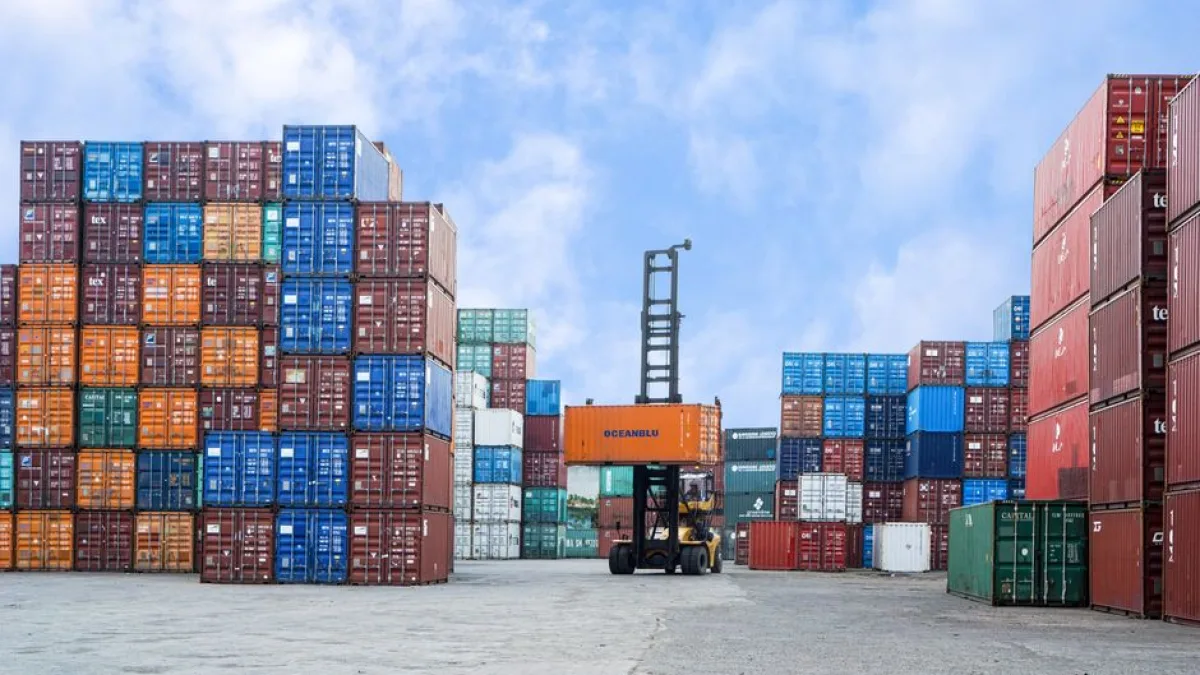
Real time tracking provides the transparency that modern customers demand. Utilizing integrated logistics technology allows you to monitor shipments at every stage of the journey, enabling proactive problem solving and keeping clients informed before issues escalate into costly operational delays.
- Live vessel tracking: Integration with global carrier data allows your team to monitor precise vessel locations and ETAs directly from your dashboard without checking external shipping websites.
- Exception management alerts: Automated systems send immediate warnings if a shipment is delayed at a terminal, allowing forwarders to communicate transparently with clients about potential impacts.
- Milestone tracking updates: Clients receive automated email notifications whenever their cargo hits a specific phase, such as customs clearance or final delivery to the end destination.
- Carrier performance analytics: Track the punctuality of different shipping lines and transport providers to make data driven decisions when selecting partners for future urgent cargo movements.
- Unified platform view: Consolidate data from multiple carriers into one intuitive interface to provide a comprehensive view of all ongoing shipments regardless of their current location.
Achieving total visibility transforms the customer experience from reactive to proactive communication. By knowing exactly where cargo is located, your team can resolve bottlenecks long before they become critical failures for the client. This level of clarity fosters trust and long term loyalty in a competitive market. Furthermore, data collected from these tracking tools assists in optimizing future routes and carrier selections.
Strategic Vendor Relationship Management

Successful freight forwarders rely on strong partnerships with carriers, agents, and local transport providers. Managing these relationships through a digital platform ensures that all vendors remain aligned with your operational goals, service level agreements, and cost efficiency requirements throughout.
- Vendor performance scorecards: Detailed analytics help identify which transport providers consistently meet deadlines, allowing you to reward top performers and renegotiate terms with underperforming logistics partners.
- Collaborative portal access: Give your vendors limited access to your platform to upload their own quotes and updates, reducing the volume of emails and phone calls.
- Transparent rate negotiations: Use historical data to enter contract negotiations with clear insights, ensuring you secure the best possible pricing for your specific freight volume requirements.
- Centralized communication logs: Keep every message thread, contract amendment, and service agreement within one secure record to resolve disputes quickly and maintain a professional vendor partnership.
- Automated billing verification: Match carrier invoices against quoted rates automatically to detect overcharges or hidden fees, protecting your profit margins on every single shipment you manage today.
Cultivating strong vendor relationships is about more than just securing low rates. It involves creating a transparent and collaborative environment where both parties can succeed. By centralizing all interactions within your software, you remove ambiguity and build a culture of accountability. This stability allows you to navigate unexpected capacity shortages or sudden market shifts with confidence and support from your trusted partners.
Scaling Operational Capacity Efficiently
Scaling operations requires a software architecture that supports growth without requiring proportional increases in staff. Cloud native platforms provide the flexibility to add new branches, languages, or regional entities, allowing your freight forwarding business to expand its footprint rapidly across international borders.
- Global currency support: Automated exchange rate conversions and multi-currency invoicing make it simple to handle international shipments without complex manual accounting processes or costly calculation errors.
- Multi-branch coordination tools: Share data seamlessly between different office locations to ensure that global operations function as a single, unified entity with consistent standards of service.
- Workflow customization options: Adapt your software settings to meet the specific requirements of niche industries, such as pharmaceutical cold chain or heavy machinery project cargo handling.
- Cloud based scalability: Increase your user count or storage capacity instantly without the need for expensive hardware upgrades or complex on-site server maintenance and security patches.
- API integration capabilities: Connect your freight system to external ERP or accounting software to keep your financial data synchronized across the entire organization without manual effort.
Scaling effectively demands the right technological infrastructure to support increasing complexity. By automating core workflows and centralizing global data, your team can handle significantly higher volumes without sacrificing the quality of your service. This preparation for growth is what separates market leaders from stagnant competitors. A scalable software platform serves as the foundation for long term success in the global logistics industry.
Conclusion

Optimizing freight operations is a continuous process that requires both the right mindset and robust technological tools. By embracing automation, visibility, and strategic management, your firm can navigate the complexities of international trade with precision. Start integrating these digital strategies today to enhance your service quality and drive sustainable growth. Contact the MakeCargo team to see how our platform empowers forwarders to thrive.