Optimizing Freight Operations for Modern Logistics Success
Wednesday, October 7 2026
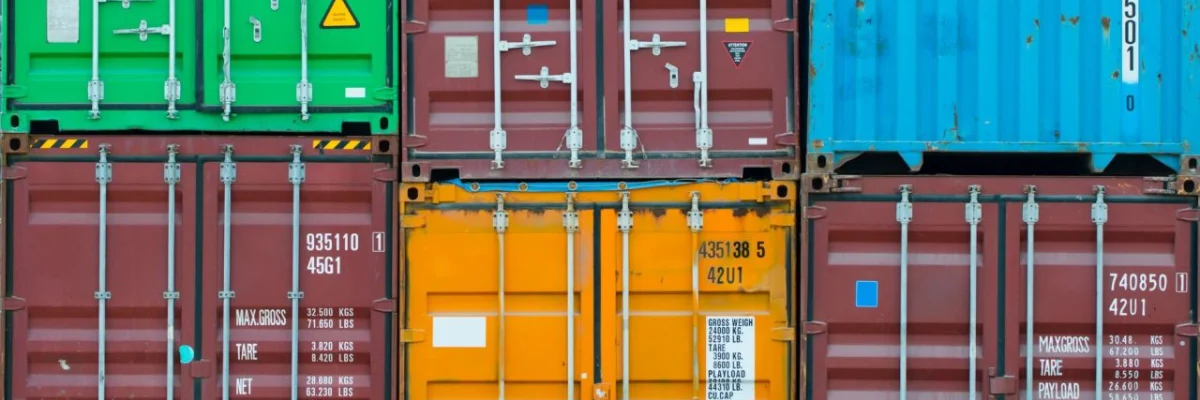
Freight forwarding is undergoing a profound transformation driven by rapid digitalization and evolving global supply chain demands. For professionals in this sector, moving cargo is no longer just about physical transport but about the seamless management of information across borders. As complexity increases, the ability to centralize data, automate repetitive tasks, and provide real-time transparency becomes a critical competitive advantage. By leveraging cloud-based platforms, forwarders can eliminate manual bottlenecks, reduce costly administrative errors, and focus on delivering high-value logistics solutions. Modernizing your daily operations is the most effective path toward achieving sustainable growth and superior customer service in a volatile market environment.
Digitizing Documentation Processes

Digital transformation starts with replacing paper-based filing systems with cloud-native workflows that simplify document handling. By digitizing paperwork, logistics teams gain immediate access to vital records, ensuring that every shipment detail is accurate, searchable, and compliant with international shipping regulations at all times.
- Centralized document management: Storing all shipping bills and customs declarations in a single cloud repository eliminates the risk of losing critical paperwork during busy transit periods across your global logistics chain.
- Automated data entry: Intelligent software tools capture data directly from invoices and manifests, reducing human error while speeding up the processing time for complex export and import shipments significantly.
- Real-time compliance checks: Integrated digital systems automatically flag missing information or regulatory errors, ensuring that your shipments meet all local and international legal standards before they depart the warehouse.
- Cloud based accessibility: Your team can securely access essential shipping documents from anywhere in the world, allowing for seamless collaboration between offices, local agents, and external transport partners instantly.
Adopting a paperless strategy transforms your operational efficiency by cutting down on retrieval times and minimizing physical storage requirements. This shift allows your staff to dedicate more time to strategic decision making rather than chasing down missing files. As you move away from manual handling, the reliability of your data increases, leading to fewer disputes and improved trust with your global client base.
Enhancing Real Time Visibility

Visibility is the backbone of modern freight operations, providing clarity for both forwarders and end clients throughout the transit process. Leveraging advanced tracking technology ensures that every stakeholder has constant access to shipment status updates, reducing anxiety and improving overall communication.
- Live tracking updates: Modern software provides constant status notifications as cargo moves through ports or terminals, allowing your team to manage client expectations with accurate and timely information.
- Proactive delay management: Automated alerts notify you of potential disruptions early, giving your logistics experts sufficient time to reroute shipments and avoid major schedule setbacks or port fees.
- Unified carrier data: Integrating multiple carrier feeds into one dashboard provides a comprehensive view of global trade lanes, making it easier to monitor diverse transport modes effectively.
- Improved customer trust: Providing clients with a branded portal for self-service tracking significantly boosts satisfaction by giving them total transparency into their supply chain without calling.
Superior visibility is the key to maintaining long term relationships in an industry where timing is everything. By eliminating the mystery of where a container is located, you empower your customers to plan their inventories more effectively. This shift from reactive communication to proactive updates establishes your brand as a leader in transparency and reliability, ultimately securing your position in the market.
Streamlining Carrier Communications
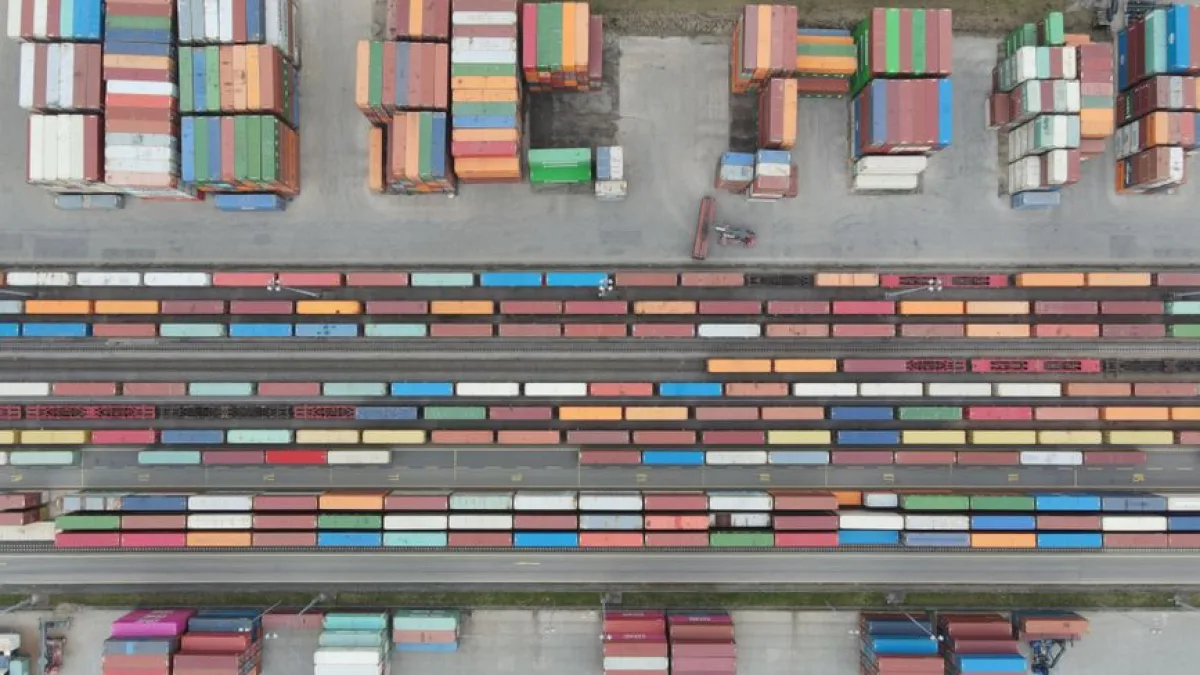
Clear communication between forwarders and carriers is vital for maintaining high operational standards. Moving beyond outdated email chains to integrated messaging systems ensures that instructions are executed correctly and that capacity is secured without the typical delays associated with manual coordination efforts.
- Integrated messaging channels: Moving communications into the freight management platform keeps all instructions, amendments, and confirmations in one thread linked directly to the specific cargo shipment records.
- Digital capacity booking: Direct system integration allows you to compare rates and book space instantly, removing the need for back and forth emails during the critical planning phase.
- Standardized data exchange: Utilizing standardized formats for exchange ensures that carrier partners understand your requirements clearly, reducing misinterpretations that lead to expensive delays at the shipping terminal.
- Automated status requests: Set up your software to automatically poll carrier systems for status changes, saving your operations team from manual checking and constant phone follow-ups daily.
Effective communication reduces the friction that often exists between logistics providers and their transport partners. When systems speak the same language, the entire supply chain becomes faster and more responsive to unexpected changes. By optimizing these interactions, you ensure that every shipment follows the intended route with minimal intervention, creating a smoother experience for your team and your valued clients throughout the transit.
Scaling Through Workflow Automation
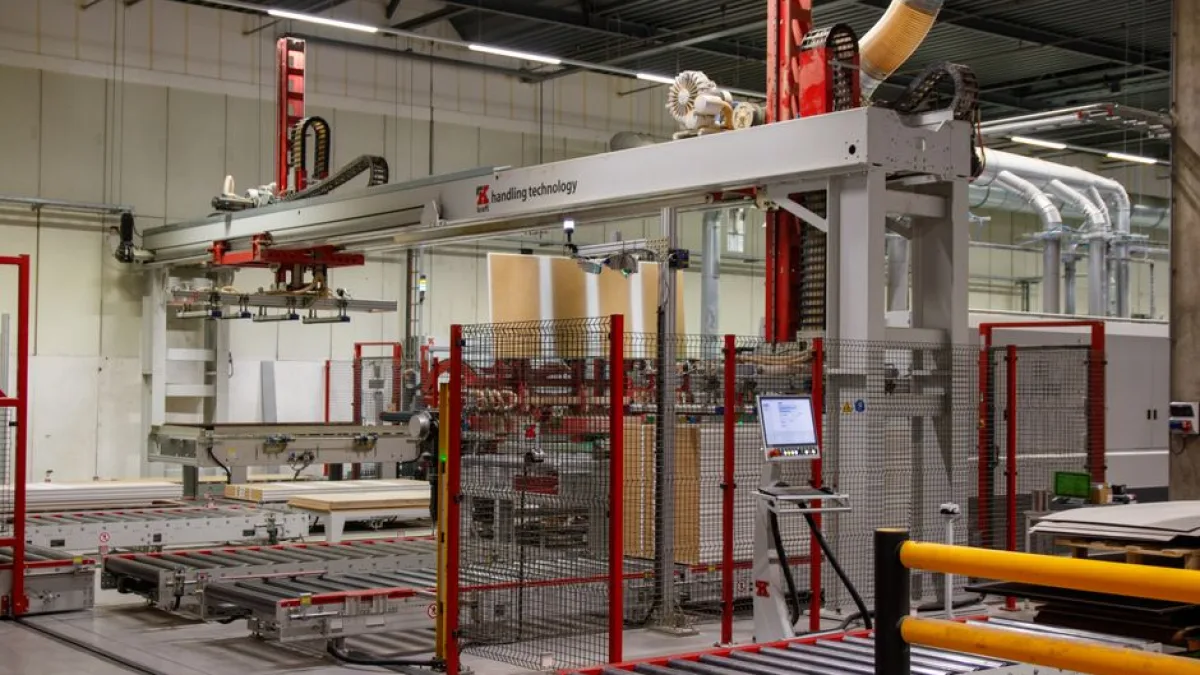
Automation is the engine that allows freight forwarders to scale operations without increasing overhead costs significantly. By identifying repetitive, rule-based tasks and handing them over to software, firms can handle a higher volume of shipments while maintaining high standards of quality and operational precision.
- Automated billing cycles: Systems can automatically generate invoices based on shipment milestones, ensuring that your cash flow remains healthy while reducing the workload on your accounts department.
- Rule based routing: Configure your software to automatically assign carriers based on your unique criteria such as price, transit speed, or previous service quality metrics automatically.
- Custom notification workflows: Trigger automated email updates for specific shipment stages, keeping your customers informed exactly when necessary without requiring manual effort from your busy operations team.
- Task management integration: Automatically create internal tasks for staff when specific actions are required, ensuring that no shipment falls through the cracks during high-volume periods.
Scaling your business effectively requires a robust infrastructure that supports growth rather than hindering it with manual bottlenecks. Automation provides the foundation for this expansion by handling routine logistics tasks with perfect consistency. As you adopt these advanced tools, your team gains the flexibility to tackle new business opportunities and grow the company, knowing that your operations are fully equipped to handle increased demand.
Conclusion
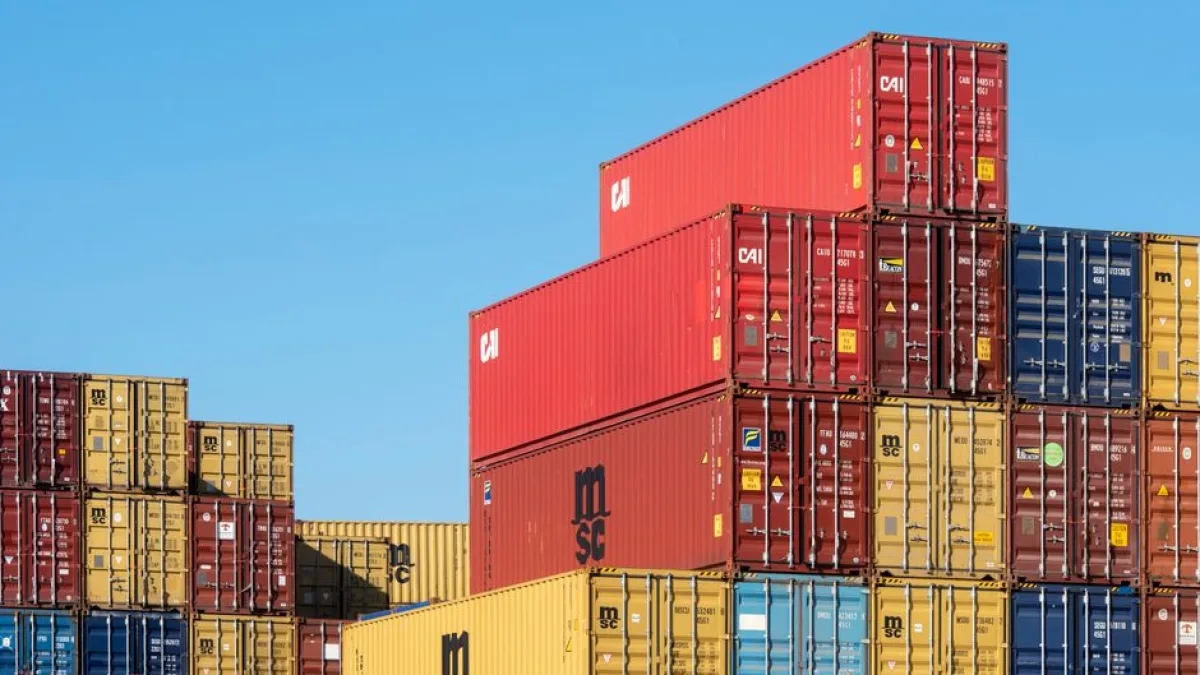
Optimizing your freight operations requires a commitment to adopting technology that simplifies complexity and improves transparency. By focusing on digitalization, real time visibility, efficient communication, and workflow automation, your firm can achieve superior results in a competitive global landscape. Start evaluating your current processes today to identify which manual bottlenecks are holding you back, and transition to a more efficient, technology driven future.