Optimizing Freight Operations for Modern Logistics Efficiency
Thursday, October 15 2026

The global logistics landscape is undergoing a massive transformation driven by digital integration and the demand for real-time visibility. Freight forwarders today face the immense pressure of managing complex supply chains while maintaining profitability amidst fluctuating market rates and carrier capacities. Adopting a cloud-based approach allows businesses to dismantle operational silos, fostering a more collaborative environment that connects stakeholders instantly. By leveraging sophisticated software, professionals can automate tedious manual tasks, drastically reduce human error, and refocus their energy on strategic growth. Embracing these technological advancements is no longer a luxury but a fundamental necessity for staying competitive in international shipping.
Digitizing Documentation Workflows
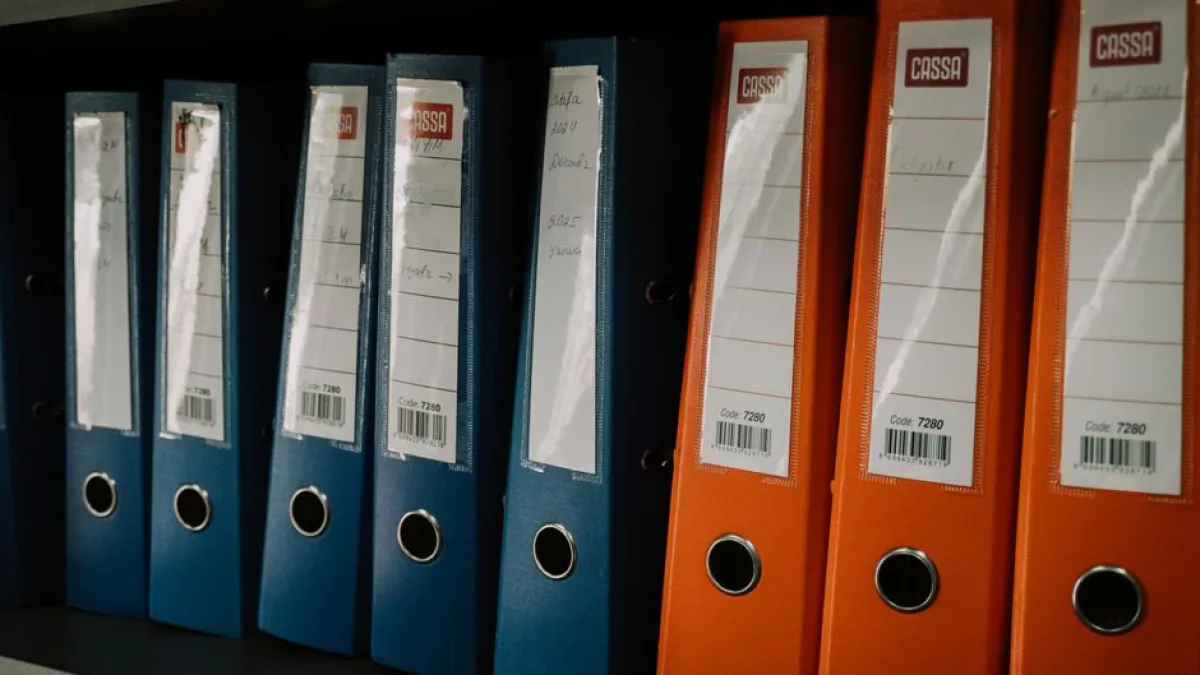
Manual paperwork often acts as a bottleneck in the shipment process, leading to delays and communication gaps. Shifting to digital document management allows for instant retrieval, secure cloud storage, and automated compliance checks that keep your operations moving without unnecessary interruptions or friction.
- Centralized document repository: Cloud platforms provide a single source of truth where team members access shipping manifests and invoices instantly, ensuring everyone works with the most accurate and updated information available.
- Automated data extraction: Intelligent systems scan physical documents to pull critical data automatically, which saves your staff hours of manual entry and minimizes the risk of costly input errors.
- Secure digital signatures: Implementing electronic signature workflows accelerates the approval process for key stakeholders, ensuring that legal documents are signed and returned within minutes rather than waiting for couriers.
- Enhanced regulatory compliance: Built-in validation rules check every document against international trade standards, flagging potential errors before they reach customs officials to prevent expensive delays or heavy cargo penalties.
Transitioning away from paper-based systems significantly improves team productivity and reduces overhead costs associated with storage and manual processing. When documentation is accessible through a secure portal, you foster better communication between carriers, agents, and clients. This agility allows your business to scale operations quickly without the burden of increasing administrative overhead, ultimately setting a new standard for operational excellence in the logistics sector.
Real-time Shipment Visibility
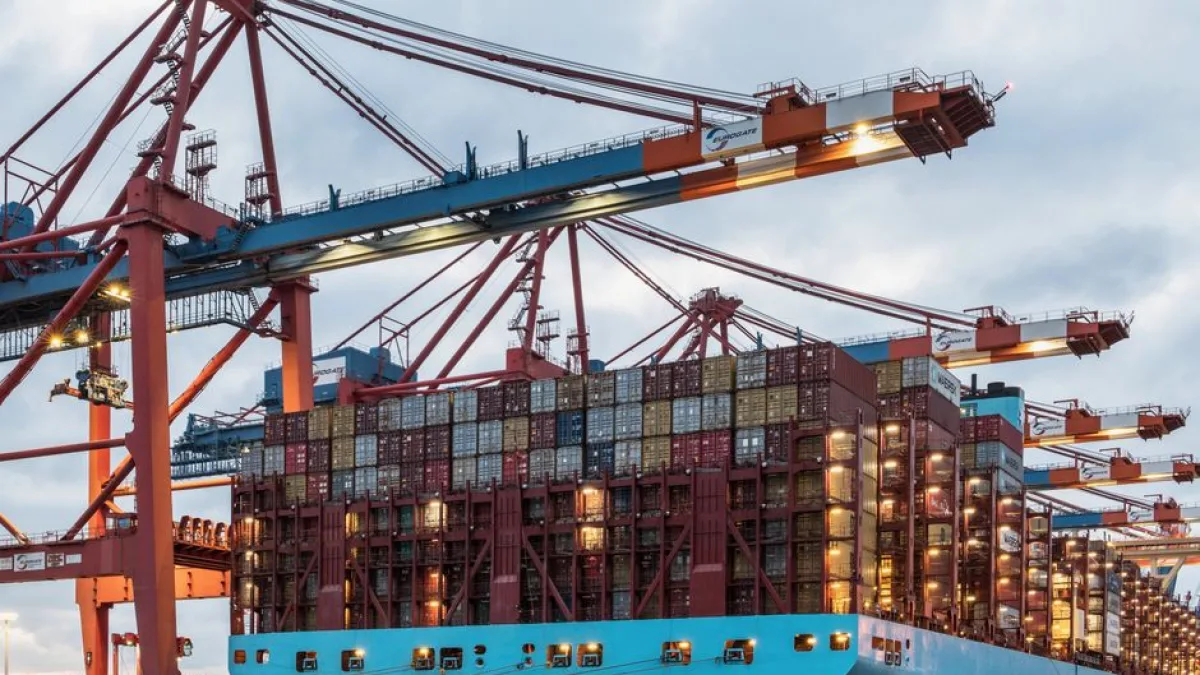
Customers expect granular visibility regarding their cargo status at every touchpoint of the transit journey. Providing transparent, live updates through automated tracking systems builds trust, reduces the volume of status inquiries, and empowers clients to plan their inventory cycles effectively.
- Live tracking updates: Integrating carrier APIs enables your software to fetch location data in real time, providing clients with precise milestones as their freight moves across global trade lanes.
- Proactive delay alerts: Automated notifications trigger whenever a shipment deviates from its schedule, allowing your team to communicate with customers immediately and offer alternative solutions before issues escalate further.
- Client portal access: Providing customers with a branded self-service portal allows them to track their own orders, reducing the administrative burden on your customer service representatives during peak periods.
- Data-driven performance tracking: Analyzing historical tracking data helps identify frequent transit bottlenecks, allowing you to choose better carrier routes that improve delivery timelines and overall client satisfaction ratings.
True visibility creates a competitive edge that differentiates your firm from traditional providers who struggle with delayed reporting. By keeping your clients informed automatically, you transform the customer experience from reactive to proactive. This high level of transparency strengthens long-term partnerships and reduces the time your team spends manually checking statuses, allowing you to focus on high-value tasks and strategic supply chain management.
Streamlined Carrier Communication

Effective collaboration with carriers is the backbone of efficient freight forwarding operations and overall service reliability. Utilizing digital messaging tools ensures that every instruction is clearly documented, tracked, and accessible to authorized personnel, preventing miscommunications that frequently occur through scattered email threads.
- Instant message logs: Keeping all communications inside the shipment record prevents critical instructions from getting lost in individual email accounts, providing a clear audit trail for every single interaction.
- Automated carrier notifications: The platform automatically sends booking requests and shipping instructions to carriers, ensuring that all parties receive the exact information required to execute the move correctly.
- Standardized response templates: Using predefined communication templates ensures consistency across your team, helping junior staff communicate professionally while maintaining high service standards for your international network of partners.
- Collaborative task management: Assign specific actions to internal or external stakeholders within the platform, ensuring that every participant knows their responsibility and the deadlines for completing each specific task.
Optimizing how you interact with carriers directly influences your ability to provide reliable service in a fast-paced market. When communication is centralized and automated, you remove the guesswork and eliminate the time wasted chasing updates. This structured approach to coordination ensures that your entire logistics network remains aligned, reducing errors and helping you maintain consistently high performance levels for your global customers.
Financial Automation and Accuracy

Maintaining healthy cash flow requires precise accounting, fast invoicing, and tight control over operational expenses. Automating the billing process minimizes discrepancies, speeds up payment cycles, and provides management with the financial clarity needed to make informed decisions for future business investments.
- Automated invoice generation: System algorithms calculate total charges based on predefined rate cards, ensuring that your final client invoices are accurate and sent out immediately after the cargo departs.
- Instant profit analysis: Gain immediate visibility into the margins of every shipment by comparing estimated costs against actual charges, allowing for better margin control and pricing strategy refinement.
- Seamless accounting integration: Sync your freight software directly with your financial management system to eliminate double entry, ensuring your balance sheets always reflect the most current operational data.
- Efficient payment tracking: Automated dashboards display outstanding invoices, enabling your finance team to follow up on aging accounts quickly and maintain consistent cash flow throughout the fiscal year.
Financial precision is vital for the sustainability of any freight forwarding business in a complex industry. By moving away from manual invoicing, you drastically reduce the occurrence of billing errors and disputes that often delay payments. A robust automated system empowers your team to monitor performance through data, ensuring that every shipment contributes positively to the bottom line while maintaining healthy relationships.
Conclusion

Digital transformation remains the single most important step for freight forwarders aiming to survive and thrive in the modern supply chain. By integrating documentation, tracking, communication, and finance into one cohesive cloud-based platform, you unlock unprecedented levels of efficiency. Start evaluating your internal workflows today to identify where automation can replace manual effort and drive sustainable growth for your logistics business.