Optimizing Freight Operations for Modern Logistics Efficiency
Sunday, October 25 2026

The global logistics landscape is undergoing a massive transformation driven by the need for increased speed and transparency. For freight forwarders, the challenge lies in balancing complex supply chain demands with the requirement for lean operational performance. Legacy processes that rely on manual input and disparate systems are no longer sufficient in a digital-first marketplace. By adopting cloud-based platforms and integrating data-driven workflows, forwarders can reclaim lost time and improve customer service. This article explores how industry leaders leverage modern technology to streamline their operations, reduce human error, and achieve a distinct competitive advantage in today's high-stakes shipping environment.
Digitizing Document Management

Automating documentation is the most effective way to eliminate bottlenecks in shipping cycles. By replacing paper-based manual entry with intelligent software solutions, logistics firms can significantly speed up customs clearance while simultaneously reducing the risk of costly administrative errors during transit.
- Centralized document repository: Establish a single cloud location where all shipping labels and commercial invoices are stored securely for instant retrieval by authorized team members across global branch offices.
- Automated data extraction: Use advanced optical character recognition tools to scan incoming documents automatically and populate your database fields without the need for repetitive manual keyboard data entry.
- Real-time compliance validation: Ensure every manifest and clearance document meets international regulatory standards by utilizing automated validation rules that flag potential errors before submission to customs authorities.
- Enhanced document security: Protect sensitive client data and financial records by using encrypted digital platforms that prevent unauthorized access and maintain a detailed audit trail for stakeholders.
Digital transformation within document workflows provides the necessary foundation for scalability and operational resilience. When forwarders remove the burden of manual paperwork, staff members can pivot toward value-added tasks like client relationship management and strategic route planning. This transition not only enhances accuracy but also builds a professional reputation for reliability that attracts global clients seeking dependable partners for their critical supply chain operations.
Streamlining Carrier Coordination

Managing multiple carrier relationships requires a unified view of available capacity and current rates. Forwarders who integrate direct API connections with shipping lines can optimize their booking processes, ensuring that space is reserved quickly to avoid delays in cargo movement.
- Integrated booking modules: Streamline your carrier interaction by using a single platform interface to request quotes and confirm bookings across various shipping lines without switching applications constantly.
- Live capacity monitoring: Gain immediate visibility into carrier space availability through direct digital connections that allow you to secure bookings even during peak periods of high demand.
- Dynamic rate management: Maintain competitive pricing for your clients by utilizing real-time market data to compare carrier rates instantly and select the most cost-effective shipping route available.
- Unified carrier communication: Consolidate all inquiries and status updates within a single communication dashboard to ensure that no critical information is lost in long email chains.
Effective coordination with shipping lines acts as the backbone of reliable freight delivery services. By utilizing cloud-based connectivity, forwarders ensure that their operational data remains synchronized with actual carrier performance. This high level of alignment helps avoid common pitfalls like overbooking or miscommunication regarding transit times, ultimately resulting in smoother logistical execution and higher levels of satisfaction for your diverse global shipping partners.
Enhancing Shipment Visibility
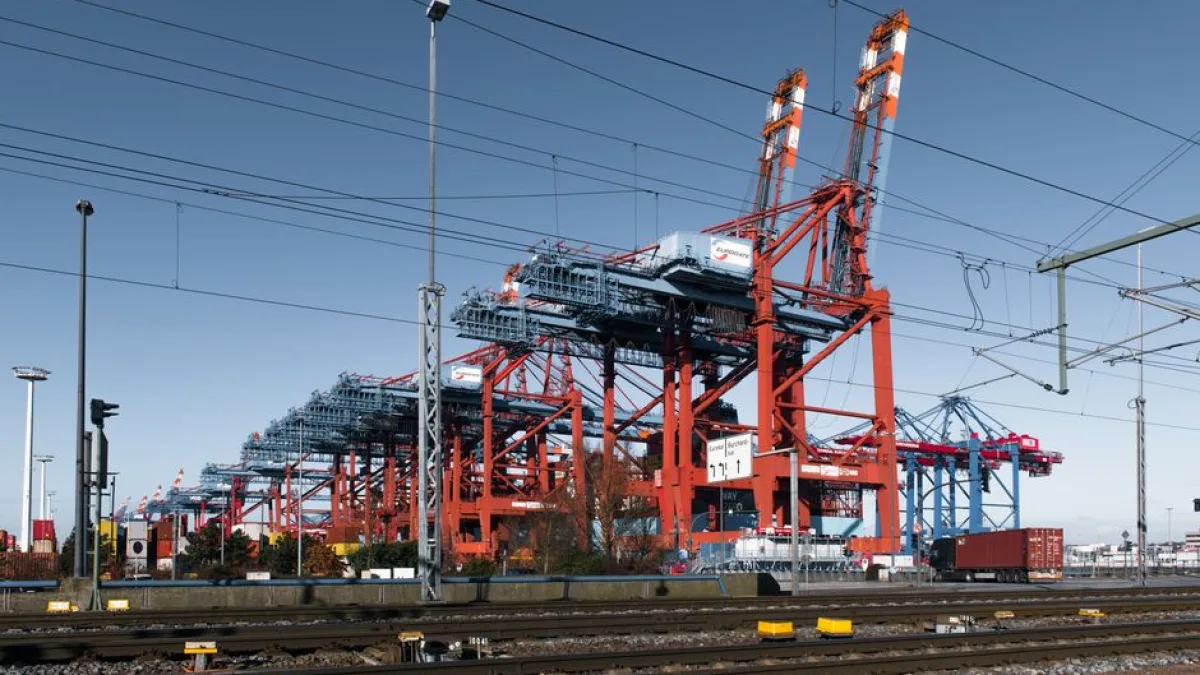
Providing customers with end-to-end shipment visibility is no longer a luxury but a fundamental expectation. Modern freight platforms utilize real-time GPS tracking and milestone updates to keep all stakeholders informed about the exact status and location of their cargo.
- Real-time location tracking: Provide your clients with precise geographic coordinates and status updates that allow them to plan their inventory arrivals with complete confidence and accuracy.
- Automated milestone notifications: Configure your software to send instant alerts to customers whenever a shipment crosses a critical stage in its journey from the port to warehouse.
- Proactive exception management: Detect potential delays early through continuous data monitoring so that your operations team can intervene quickly and suggest alternative routing solutions to customers.
- Interactive client portals: Empower your customers to access their shipment history and current location data directly through a secure web portal without needing manual progress reports.
Real-time transparency fosters deep trust between the forwarder and the shipper. When clients have direct access to actionable insights regarding their goods, the volume of status inquiries decreases dramatically, allowing your team to focus on proactive problem solving. This shift toward total visibility improves the overall customer experience and solidifies your firm as a tech-forward leader in the logistics industry.
Optimizing Financial Workflows

Financial health in freight forwarding depends on the speed of invoicing and the accuracy of carrier settlements. Moving away from disconnected accounting systems allows forwarders to maintain healthy cash flow and reduce the overhead costs associated with billing disputes.
- Automated invoice generation: Trigger professional invoices automatically as soon as shipment milestones are met to reduce the billing cycle time and improve your company's overall cash flow.
- Integrated expense tracking: Capture every carrier cost and additional surcharge in one system to ensure that profit margins are calculated accurately for every single freight shipment.
- Streamlined payment reconciliation: Simplify your accounting workload by matching invoices against payments received in real time using automated bank integration features within your freight management software.
- Comprehensive financial reporting: Generate detailed monthly reports that provide insight into profitability trends by route, customer, or shipping mode to guide your future business development strategies.
Efficient financial operations ensure that your business remains agile and profitable in a volatile market. By automating the reconciliation process and centralizing billing data, forwarders can minimize human error and ensure that every penny is accounted for. Maintaining tight control over financial workflows provides the necessary stability to invest in further technological growth and expands your capacity to handle larger cargo volumes successfully.
Conclusion
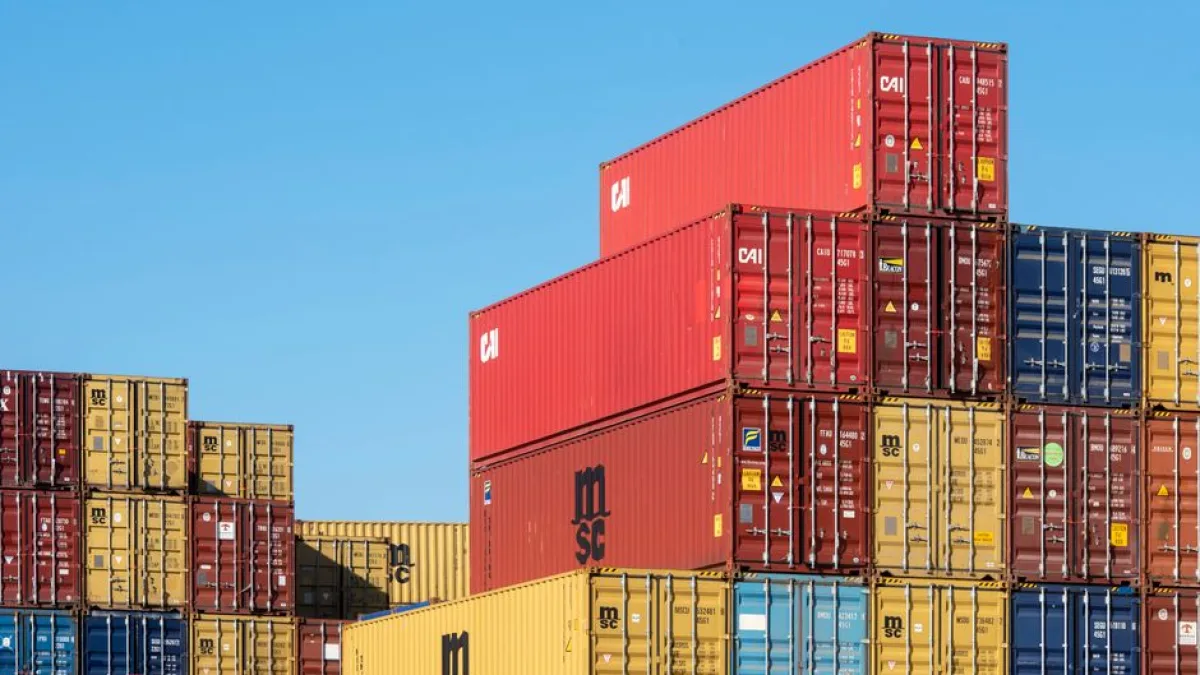
Mastering freight operations requires a persistent commitment to digital excellence and process optimization. By embracing modern software solutions to manage documentation, carrier relationships, shipment tracking, and financial tasks, your forwarding business can achieve unprecedented efficiency. Start integrating these strategies today to build a more resilient and profitable logistics firm that stands out in the competitive global market while delivering superior value to your clients.