Optimizing Freight Operations for Modern Logistics Efficiency
Thursday, October 29 2026
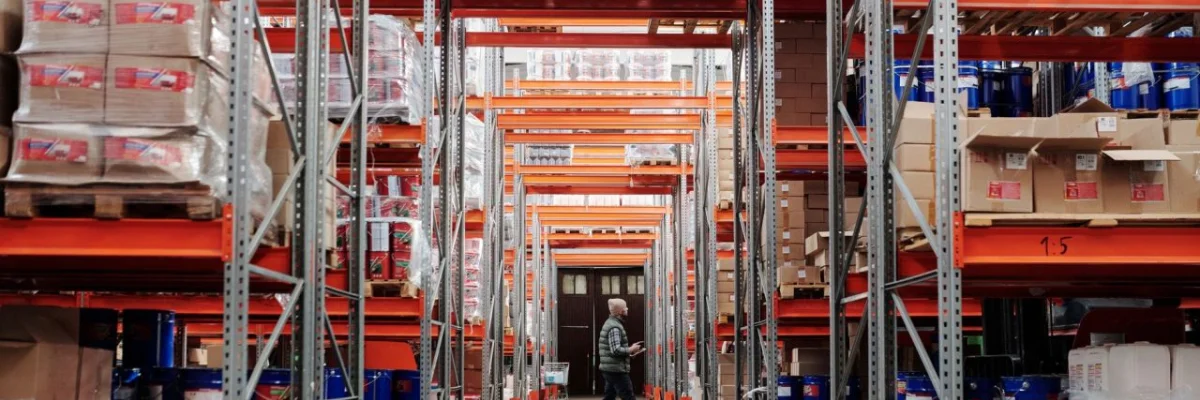
The global logistics landscape is undergoing a massive transformation driven by digital integration and the urgent need for operational transparency. For freight forwarders, the challenge lies in balancing complex manual workflows with the speed expected by modern shippers. Relying on outdated legacy systems often leads to fragmented communication, data silos, and costly administrative errors that erode profit margins. By adopting cloud-based freight forwarding software, businesses can centralize their operations, automate repetitive tasks, and achieve unprecedented visibility across the supply chain. This strategic shift not only simplifies daily coordination but also positions your company to scale effectively in an increasingly competitive international market.
Streamlining Documentation Workflows

Digitizing your documentation processes is the first step toward reducing cycle times and minimizing human error during entry. Moving away from manual spreadsheets allows your team to focus on exception management rather than spending hours cross-referencing data across disconnected physical files.
- Automated Data Entry: Implement OCR technology to extract critical information from bills of lading and invoices directly into your system, reducing manual typing requirements by more than sixty percent daily.
- Centralized Document Storage: Maintain a secure cloud repository where every stakeholder can access up to date shipping documents instantly, eliminating the confusion caused by multiple email version attachments.
- Integrated Compliance Checks: Leverage automated validation tools that scan documentation for customs errors or missing regulatory information before submission, significantly lowering the risk of costly clearance delays.
- Standardized Template Usage: Create consistent, pre-configured templates for all your standard shipping documents, ensuring that every piece of outbound correspondence maintains professional branding and accurate regulatory data fields.
By shifting to a unified digital documentation environment, freight forwarders can effectively remove the bottlenecks that hinder rapid processing. This modernization effort empowers your staff to handle higher volumes without the need for additional headcount, directly contributing to your bottom line. Investing in these technical foundations today ensures that your firm remains agile and responsive to the evolving documentation requirements of global trade partners.
Enhancing Real Time Visibility

Providing clients with live tracking updates is no longer an optional service but a basic requirement for retention. Real time visibility allows you to proactively address potential transit issues before they escalate into full blown supply chain failures for shippers.
- Live Shipment Tracking: Integrate your software with carrier APIs to provide clients with automatic, accurate status updates on their cargo location from departure point to the final destination.
- Proactive Exception Alerts: Configure your management platform to trigger instant notifications when a shipment faces an unexpected delay, allowing your operations team to inform clients and provide solutions.
- Customer Portal Access: Grant your clients direct access to a dedicated dashboard where they can view their shipment history, current status, and relevant documents without contacting support staff.
- Carrier Performance Analytics: Use visual reporting tools to compare carrier lead times and service reliability, enabling your team to select the best transportation partners for each unique route.
Comprehensive visibility transforms the freight forwarding relationship from a vendor dynamic into a true strategic partnership. By offering transparency, you build deep trust with your customers and differentiate your service in a crowded market. When clients feel informed about every stage of their cargo movement, their satisfaction levels improve, which leads to higher retention rates and more consistent referral business growth.
Mastering Freight Financial Control

Financial health depends on accurate billing and timely invoicing cycles that keep your cash flow moving. Managing freight rates and surcharges manually creates significant risk, often resulting in missed revenue opportunities or incorrect billings that hurt client relationships.
- Dynamic Rate Management: Utilize an integrated rating engine to store and compare carrier quotes instantly, ensuring that you always offer the most competitive pricing to your valued clients.
- Automated Invoicing Workflows: Configure your system to generate invoices immediately upon milestone completion, which accelerates the billing cycle and improves your overall days sales outstanding metrics for accounting.
- Cost Accrual Tracking: Capture all related shipping costs in real time as they occur, preventing revenue leakage by ensuring no secondary charges are forgotten or left unbilled later.
- Detailed Profit Reporting: Access granular reporting modules that show exact profit margins per shipment, allowing management to make data driven decisions regarding service offerings and carrier partnerships.
Precise financial management acts as the backbone of a successful freight operation by ensuring that every shipment remains profitable. When you automate the tedious aspects of accounting, you gain the clarity needed to optimize your business strategy effectively. This focus on financial rigor allows your forwarder firm to survive economic fluctuations and maintain a stable foundation for long term expansion and success.
Improving Internal Communication Efficiency

Clear communication between your internal teams and external agents is essential for maintaining operational flow. Eliminating communication silos prevents double work and ensures that every staff member has access to the latest information regarding any active shipment project.
- Integrated Messaging Tools: Deploy communication platforms directly linked to specific shipment files, ensuring all stakeholder notes are stored and referenced within the context of the operational record.
- Role Based Permissions: Define specific access levels for employees to protect sensitive data while ensuring that every team member can see exactly what they need for operations.
- Collaborative Task Lists: Utilize built-in task assignment features to delegate specific operational duties to team members, ensuring that every deadline is met without relying on disorganized manual reminders.
- Instant Team Notifications: Enable system alerts for team members whenever a status update or document upload occurs, keeping everyone synchronized on the progress of complex global logistics projects.
Effective collaboration reduces the friction caused by information gaps and misaligned priorities among staff. By prioritizing internal synergy, your operations team will naturally become more productive and capable of managing complex logistics challenges with ease. A connected workplace culture fostered by robust software tools is the ultimate driver of long term service excellence, ensuring your team remains ready to handle any disruption.
Conclusion

Transforming your freight operations requires a commitment to digital adoption and process refinement across all functional areas. By leveraging cloud based technology, your team can achieve the visibility, speed, and financial control necessary to thrive. Start by evaluating your current bottlenecks and identifying areas for automation today. Building a more efficient logistics infrastructure is the key to achieving sustainable growth and long term profitability.