Optimizing Freight Operations for Modern Logistics Efficiency
Saturday, October 31 2026

Freight forwarding professionals face constant pressure to manage complex supply chains while maintaining strict cost control and operational accuracy. As global trade becomes increasingly volatile, relying on manual processes or disconnected legacy systems often leads to bottlenecks, communication delays, and human error. To remain competitive in a digital-first market, forwarders must embrace integrated cloud-based solutions that provide end-to-end visibility. By automating repetitive tasks and centralizing documentation, logistics providers can reclaim valuable time to focus on strategic growth, customer relationship management, and scaling their businesses effectively in an evolving landscape of international shipping and regulatory requirements.
Automating Shipment Documentation

Manual documentation processes are a primary source of inefficiency in freight forwarding operations, leading to delays and compliance risks. Digitizing paperwork ensures that all relevant data flows seamlessly between stakeholders, reducing the time spent on repetitive data entry and manual filing tasks.
- Eliminate manual entry: Implementing intelligent data capture tools allows your team to convert paper documents into structured digital data formats that sync automatically with your central freight management software platform.
- Improve compliance accuracy: Automated validation rules flag missing information or regulatory errors in shipping declarations before they are submitted, preventing costly penalties and shipment delays at the customs border.
- Centralize document storage: Keeping all bills of lading, invoices, and packing lists in a secure cloud repository ensures that your team can retrieve critical information in seconds.
- Streamline stakeholder sharing: Real-time document updates notify shippers and carriers instantly, fostering transparency and reducing the need for constant status update emails that clutter your professional inbox.
Transitioning to an automated documentation workflow significantly reduces the risk of administrative errors that often cause shipment holdups. By leveraging modern software, your operations team can handle higher volumes of cargo without needing to increase headcount. This scalability is vital for long-term growth, as it allows your business to adapt to sudden market demand spikes while maintaining high service levels for your clients.
Enhancing Real-Time Cargo Visibility
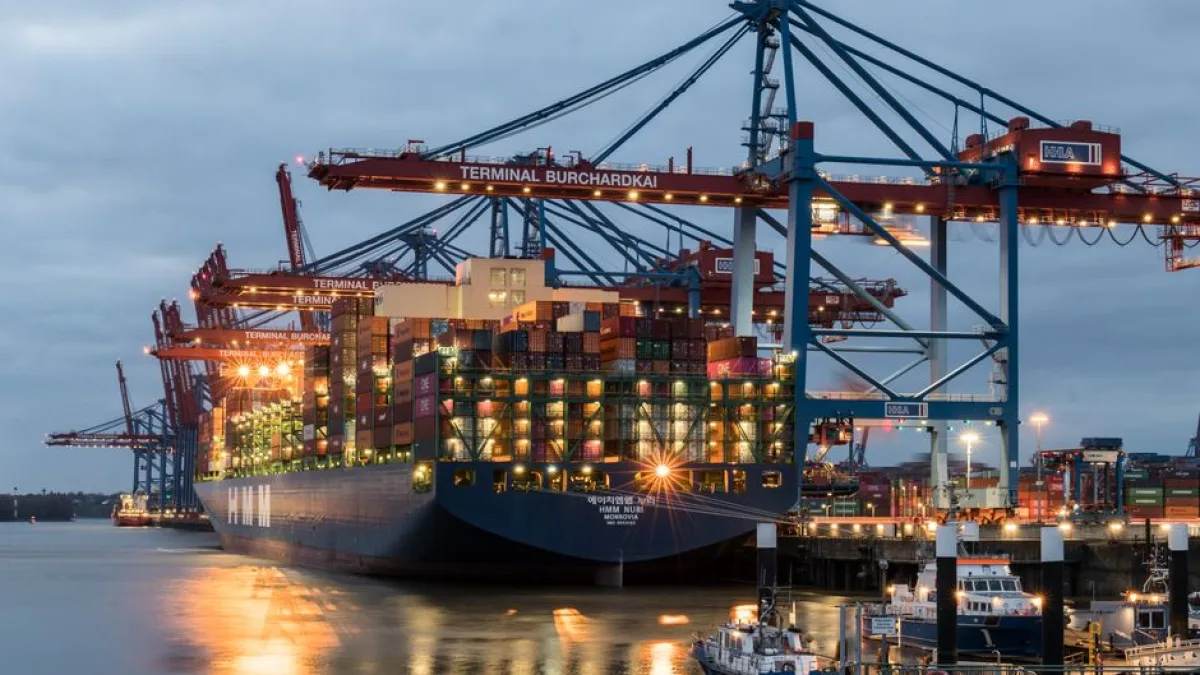
Customers today expect immediate insight into the status of their shipments at any given moment. Providing this level of transparency is no longer a luxury but a fundamental requirement for building trust and securing long-term loyalty in the freight industry.
- Live tracking updates: Modern platforms integrate directly with carrier APIs to provide accurate, real-time location data for ocean and air freight shipments without needing manual status checking.
- Proactive anomaly alerts: Smart notifications inform your operations team about potential delays or port congestion events, allowing you to notify clients early and offer effective recovery solutions.
- Enhanced client dashboards: Providing customers with direct access to a personalized tracking portal reduces the volume of repetitive status requests handled by your logistics coordinators daily.
- Data-driven decision making: Centralized visibility platforms offer actionable insights into route performance, allowing you to select carriers that consistently deliver on time and within agreed budgets.
Investing in real-time tracking capabilities transforms your client service from reactive to proactive. When you anticipate problems and communicate solutions before they impact the client, you differentiate your firm from competitors. This high level of service fosters deep trust, which is the cornerstone of sustainable logistics partnerships and recurring revenue streams for your freight forwarding business in a busy market.
Optimizing Carrier Management Processes
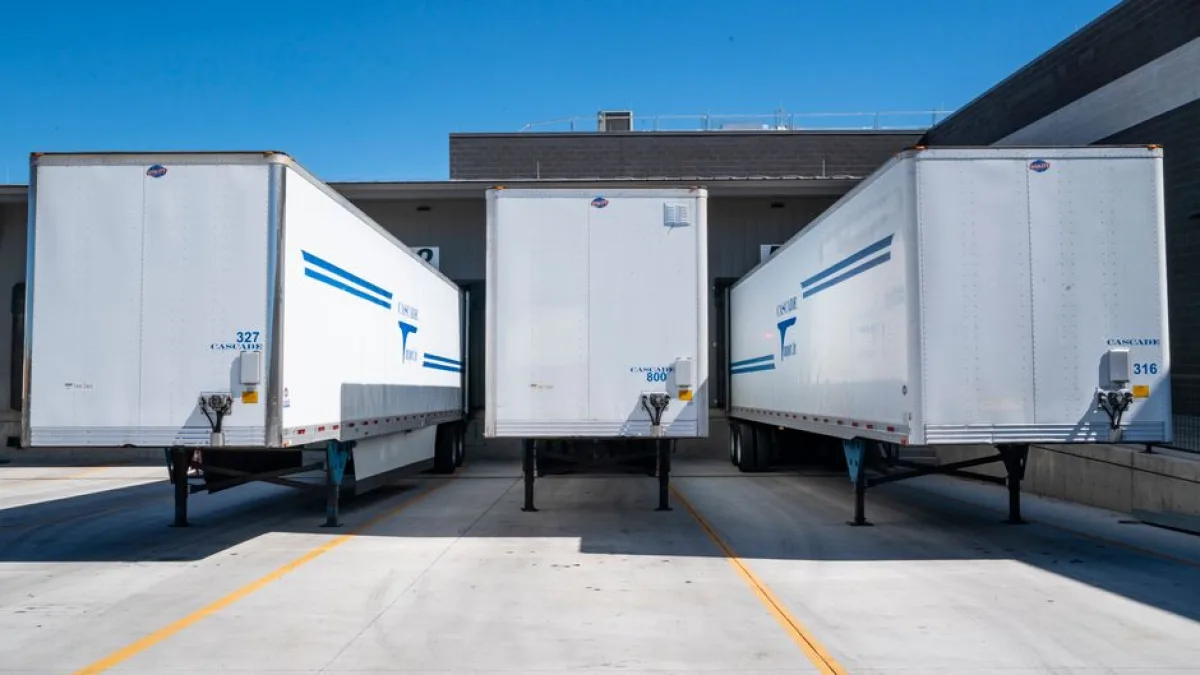
Managing multiple carrier relationships requires a structured approach to ensure that your freight forwarding business maintains high service standards. Effective carrier management involves balancing capacity needs with competitive pricing to maximize profit margins while meeting client shipping deadlines consistently.
- Centralized carrier database: Maintain an up-to-date registry of all your carrier contracts, performance metrics, and contact details in one location to simplify booking and vendor evaluation processes.
- Performance tracking metrics: Use integrated software tools to monitor KPIs such as transit times and damage rates, enabling you to rank partners based on actual performance data.
- Automated rate comparison: Quickly compare spot rates and contract pricing across multiple shipping lines or airlines to identify the most cost-effective option for your specific cargo.
- Contract compliance monitoring: Ensure that all carrier billing matches your original quotes by using automated auditing features that catch overcharges and billing discrepancies before payments are processed.
Optimizing your carrier management workflow leads to better margins and more reliable service delivery for your end customers. By removing the guesswork from route planning and partner selection, your team can operate with greater confidence and speed. This professional approach to logistics management helps establish your company as a reliable leader capable of handling even the most complex international shipments with ease.
Leveraging Cloud Collaboration Tools

Modern freight forwarding requires seamless collaboration across departments and global time zones. Cloud-based tools break down internal communication barriers, ensuring that your sales, operations, and accounting teams are always working with the exact same information at the same time.
- Unified data access: Allowing employees to access operational data from anywhere ensures business continuity, whether they are working from the office, at home, or while traveling abroad.
- Instant internal messaging: Contextual chat features tied directly to shipment files prevent information silos and ensure that everyone involved in a shipment understands the current requirements.
- Version control consistency: Cloud systems automatically manage document versions, ensuring that your team is never working from an outdated manifest or a superseded set of client instructions.
- Secure permission levels: Define access rights for different staff members to ensure that sensitive financial data or client contracts are protected according to your internal security policies.
Cloud collaboration is the engine that drives modern, agile freight forwarding operations. When your staff can coordinate effectively through a single interface, response times improve and operational costs drop. Moving away from email chains and spreadsheets to a unified cloud environment enables your business to scale effortlessly, providing the stability and precision required to succeed in the competitive global trade environment.
Conclusion

Adopting digital tools is essential for freight forwarders aiming to thrive in the modern logistics sector. By automating routine tasks, improving cargo visibility, and enhancing collaboration, you can significantly boost your operational efficiency. Take the first step toward transforming your business today by auditing your current workflows and identifying areas for technological improvement. A more connected, efficient future awaits those who choose to innovate now.