Optimizing Freight Operations for Modern Logistics Efficiency
Saturday, September 26 2026

Modern freight forwarding relies on the seamless integration of digital tools to manage complex global supply chains. As market volatility increases, logistics providers face pressure to reduce overhead costs while improving service reliability for their clients. By adopting automated workflows, firms can minimize manual errors and accelerate documentation processing times. This shift toward cloud-based technology empowers teams to focus on strategic growth rather than repetitive administrative tasks. Embracing digital transformation ensures that your operations remain competitive in a rapidly evolving industry, ultimately leading to better visibility, improved resource allocation, and higher customer satisfaction across every shipment handled by your team.
Automated Documentation Workflows

Transitioning from paper-based systems to digital documentation creates a foundation for operational excellence. Automation removes the bottlenecks caused by manual data entry, allowing teams to handle higher volumes of cargo without sacrificing accuracy or speed during the clearing process.
- Reduce manual errors: Automating data extraction from invoices and packing lists ensures that information remains consistent across all platforms while eliminating common typos that lead to costly delays at customs.
- Centralized document management: Storing all shipping documents in a single cloud repository enables instant access for remote teams and reduces the time spent searching through scattered physical and digital files.
- Faster customs clearance: Integrated platforms allow for real-time submission of documents to port authorities, which speeds up the validation process and minimizes the risk of shipment holds at border points.
- Standardized data protocols: Implementing consistent templates for common shipping forms ensures that your entire organization follows the same procedures, making internal audits simpler and improving overall compliance with international regulations.
By streamlining document management, forwarding companies can unlock significant time savings that were previously lost to administrative fatigue. These efficiency gains allow staff to focus on high-value client relationships and problem-solving, rather than fighting with spreadsheets. As your operations become more refined, you will notice a consistent improvement in overall processing speed and a noticeable decrease in the rate of documentation-related errors across your firm.
Real-Time Shipment Tracking
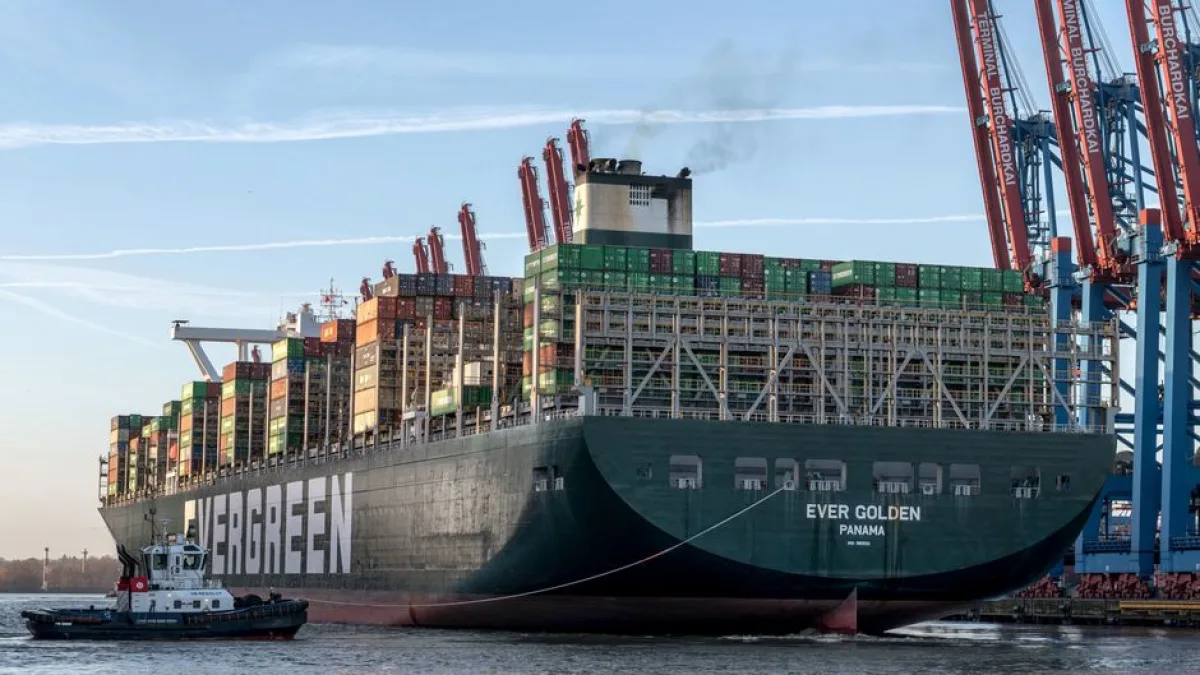
Visibility is the backbone of reliable logistics. Providing clients with live status updates reduces communication overhead and builds long-term trust, ensuring that stakeholders are aware of any potential transit disruptions before they escalate into major customer service issues or penalties.
- Proactive status updates: Automated push notifications inform both your team and your clients about shipment milestones, which reduces the number of incoming status check emails and phone calls daily.
- Live carrier integration: Connecting your software directly to carrier APIs allows for instant updates on vessel locations, providing an accurate view of transit times regardless of the current geographical location.
- Exception management tools: Advanced systems flag delays automatically, enabling your operations team to address issues before they impact the final delivery schedule, ensuring smoother operations for your global clients.
- Improved customer transparency: Offering a client portal for self-service tracking empowers your customers to monitor their own freight, freeing up your team to focus on resolving complex logistics challenges.
Delivering consistent tracking data transforms the client experience by turning uncertainty into predictable transparency. When you provide accurate information without delay, you distinguish your services from competitors who still rely on legacy communication methods. This technological advantage promotes client retention and enhances your brand reputation as a reliable, tech-savvy partner capable of handling the most demanding and time-sensitive cargo requirements in the world.
Effective Resource Allocation

Balancing human capital with high-volume cargo demand requires precise planning. Efficient logistics operations utilize data analytics to distribute work among staff members based on their specific strengths and the current capacity requirements of various freight lanes or client accounts.
- Workload balancing software: Intelligent task distribution tools ensure that no single team member is overwhelmed with administrative burdens, which promotes higher morale and reduces costly burnout across your staff.
- Data-driven performance monitoring: Analytics dashboards provide managers with insights into team productivity, helping to identify areas where training or new tools are needed to improve internal shipping output metrics.
- Capacity planning tools: Forecasting tools allow management to anticipate busy shipping seasons, ensuring that staffing levels are sufficient to meet customer demand without inflating operational costs during quieter business periods.
- Skill-based task routing: Automatically assigning specific shipping lanes to experts in that region ensures that your clients receive high-quality service backed by local knowledge and regulatory expertise at all times.
Strategic allocation of your human resources creates a leaner and more responsive operational environment. By leveraging data to drive management decisions, you can maximize the output of your existing workforce while maintaining high levels of service quality. This approach not only boosts overall profitability but also creates a more sustainable workplace culture where employees feel supported, focused, and empowered to deliver their best work daily.
Enhancing Partner Communication

Collaborating with agents and carriers across different time zones is a constant challenge for freight forwarders. Strengthening these relationships through unified communication platforms ensures that everyone stays aligned, minimizing misunderstandings that typically occur with fragmented email threads or disconnected legacy messaging systems.
- Unified communication hubs: Bringing carrier and agent interactions into a single platform prevents critical shipment details from getting lost in overflowing inboxes or deep archives of unrelated email chains.
- Instant messaging features: Real-time chat integration allows for rapid resolution of quick queries between offices or partners, accelerating decision-making processes when immediate action is required to save a shipment.
- Collaborative file sharing: Secure portals permit agents to upload critical documents directly, ensuring that your team always has the latest versions without waiting for lengthy email attachments to be sent.
- Centralized partner portal: Giving your overseas partners access to a shared platform fosters transparency and encourages better coordination for complex movements involving multiple carriers and multiple points of origin.
Effective communication strategies act as the glue that holds a global supply chain together. By digitizing these interactions, you remove the barriers of distance and time that often hinder forwarders from achieving peak performance. Consistent communication ensures that everyone works toward the same goals, reducing friction in your shipping lanes and ensuring that your international partners feel like an extension of your own domestic team.
Conclusion

Adopting advanced software solutions is the key to thriving in the competitive world of freight forwarding. By automating documentation, enhancing visibility, and refining resource management, forwarders can significantly boost their operational efficiency. Start your digital transformation journey today to ensure your team remains agile and ready for the future of global logistics. Partner with tools that grow with your company and drive long-term business success.