Optimizing Freight Operations for Modern Logistics Efficiency
Friday, October 2 2026
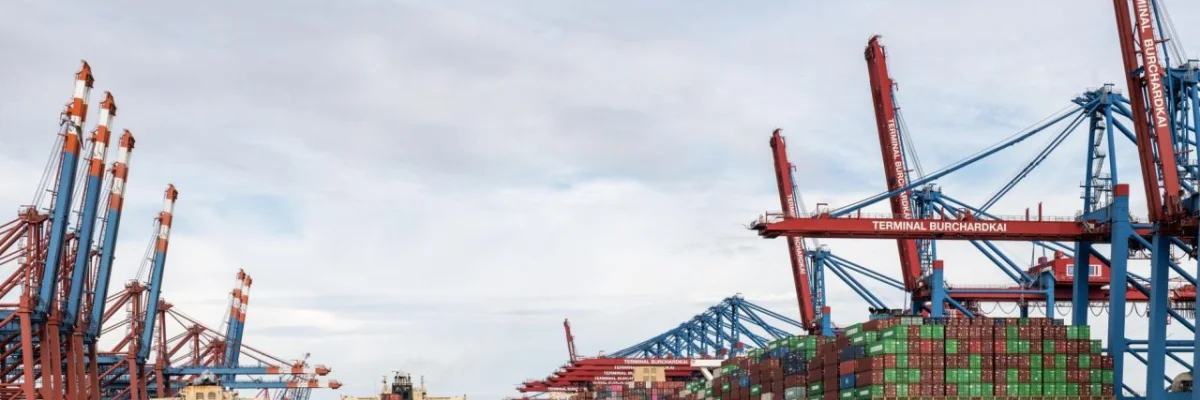
Freight forwarding is undergoing a massive digital transformation that requires logistics professionals to adapt quickly to evolving market demands. As supply chain complexities increase, the need for robust operational strategies becomes paramount for maintaining competitive advantages. Moving beyond traditional manual processes allows companies to reduce errors, improve transparency, and accelerate service delivery cycles significantly. By integrating cloud-based solutions into daily workflows, forwarders can better manage volatile shipping volumes while ensuring consistent service levels for their global clientele. This article explores essential pillars for refining operational output and achieving long-term sustainability in a crowded international market by focusing on key performance drivers.
Automated Workflow Management

Modern workflow automation acts as the backbone of high performing freight operations. By removing repetitive manual entry tasks, teams can focus their energy on high value customer engagement and complex problem solving activities rather than getting stuck in administrative bottlenecks.
- Eliminate manual data: Reducing human intervention in documentation processes prevents costly typos that often lead to customs delays or shipment rejections at busy international port border checkpoints worldwide today.
- Streamline approval chains: Automated internal approval workflows ensure that documents move quickly between departments without getting lost in email inboxes or delayed by missing signatures from key stakeholders.
- Sync carrier updates: Real time integration with carrier systems provides instant visibility into shipment status changes, allowing forwarders to communicate updates to their customers before problems even arise.
- Standardize operational tasks: Creating consistent procedural templates across the entire office ensures that every team member follows the same best practices for booking, billing, and shipment tracking activities.
- Scale service capacity: Software scalability enables firms to handle sudden surges in freight volume without needing to increase headcount proportionately, which maximizes profit margins during peak seasonal cycles.
Implementing these automated workflows changes how teams interact with data daily. Rather than spending hours reconciling spreadsheets, your staff gains the freedom to proactively manage exceptions and address client needs. This shift not only improves internal productivity but also elevates the customer experience by providing faster and more accurate information. Investing in automation is no longer a luxury but a fundamental necessity for sustainable growth.
Enhanced Supply Chain Visibility
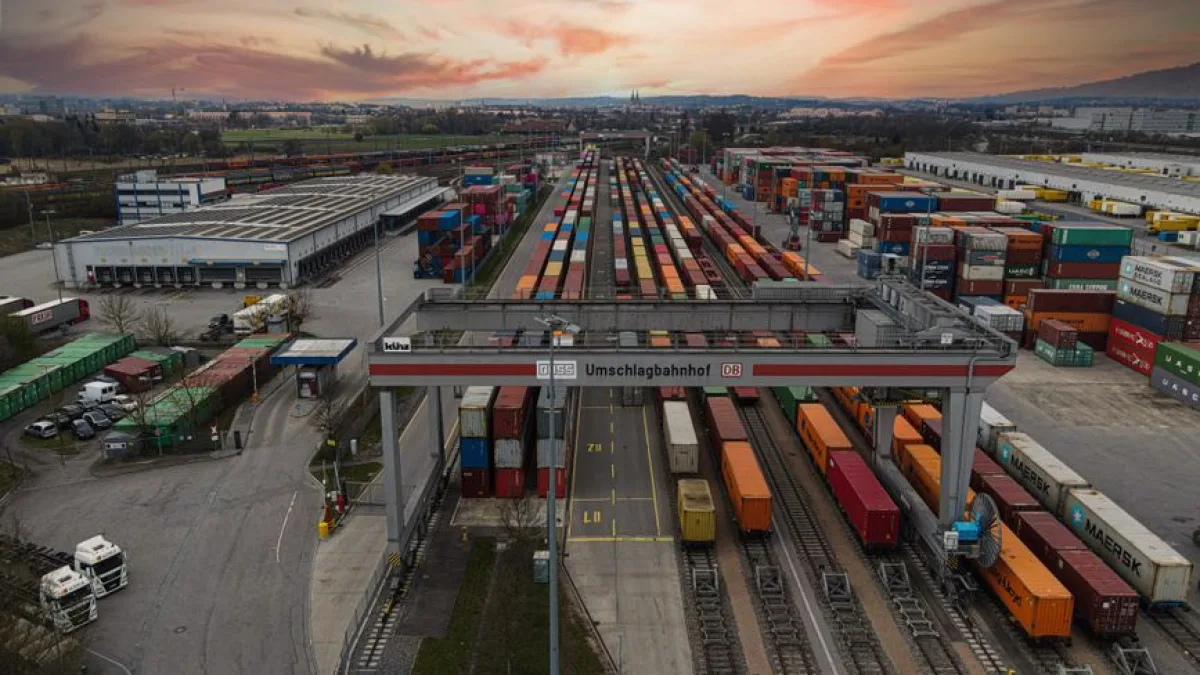
Visibility serves as the bridge between freight forwarders and their demanding global clients. Providing accurate, real-time tracking information reduces communication overhead and builds long-term trust, ensuring that all stakeholders remain informed throughout the entire transit process of their goods.
- Real time tracking: Utilizing cloud platforms allows forwarders to monitor cargo location around the clock, providing peace of mind to importers and exporters through proactive status update notifications.
- Proactive exception management: Advanced visibility tools highlight potential delays or disruptions early, empowering teams to find alternative routes or carrier solutions before the cargo is officially stranded.
- Customer portal access: Offering a self service portal allows clients to retrieve their own documentation and status updates, which significantly reduces the volume of incoming email inquiries.
- Data driven decisions: Accessing granular transit data helps management identify recurring issues in specific trade lanes, allowing for better strategic planning and vendor selection for future shipments.
- Improved carrier accountability: Tracking performance metrics across different ocean or air carriers ensures that service providers maintain high standards and meet the agreed transit time requirements.
Visibility is the key to maintaining strong relationships with clients who expect immediate answers. When you empower your customers with a portal that mirrors your own internal data, you stop being a simple service provider and become a strategic supply chain partner. This transparency creates a solid foundation for repeat business and long-term loyalty in a market where information is truly power.
Streamlined Documentation Processes

Managing vast amounts of shipping documentation remains a core challenge for freight forwarders. Moving to digitized, cloud-native document management systems allows for secure storage, easy retrieval, and faster compliance checks, ensuring that all critical paperwork meets international regulatory standards perfectly.
- Cloud document storage: Keeping all bills of lading and commercial invoices in one secure cloud environment prevents data loss and ensures that remote teams work from identical versions.
- Automated document indexing: Intelligent software can automatically categorize and index incoming files, which saves administrative staff hours of manual sorting and filing tasks every single business day.
- Secure document sharing: Encrypted sharing features ensure that sensitive customer data remains protected while facilitating quick communication with customs brokers, truckers, and other necessary third party partners.
- Audit ready compliance: Keeping an organized history of every document associated with a shipment makes the auditing process seamless during customs inspections or internal company quality reviews.
- Batch processing capabilities: Digitizing large volumes of paperwork at once allows teams to handle high document throughput efficiently without sacrificing the accuracy of the underlying shipping information.
Effective document management is essentially the heartbeat of global trade compliance. By streamlining how your business handles invoices, manifests, and declarations, you minimize the risk of financial penalties and operational hold-ups. The transition to digital filing is about more than just reducing paper clutter; it is about creating a reliable digital audit trail that supports every single movement of your clients cargo.
Strategic Carrier Relationship Management
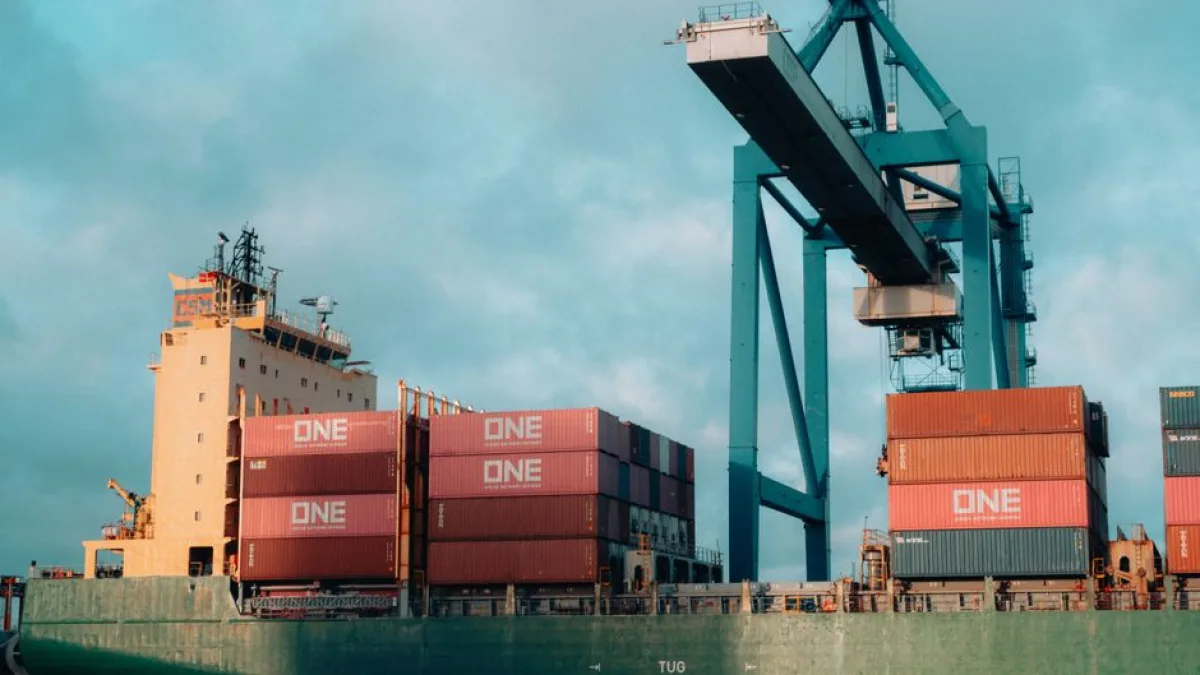
Maintaining strong partnerships with ocean and air carriers provides vital leverage during capacity crunches and volatile rate fluctuations. By leveraging digital tools to manage these relationships, forwarders can secure better allocations and more favorable terms, ensuring consistent service for their clients.
- Performance tracking metrics: Evaluating carrier reliability based on historical data helps in making informed decisions about which partners deserve more volume during busy shipping seasons annually.
- Direct carrier integrations: API connections between your platform and carrier systems automate booking requests and schedule changes, which reduces reliance on manual phone calls or email.
- Simplified rate management: Centralizing rate cards in your software allows staff to compare different carrier quotes instantly, ensuring that you always offer the most competitive freight pricing.
- Capacity planning tools: Predictive analytics help forwarders forecast future space requirements, allowing them to negotiate better space guarantees with major carriers before the peak season demand spikes.
- Automated partner communication: Standardized messaging protocols ensure that booking instructions and loading notifications reach carriers quickly and accurately, minimizing the risk of miscommunication or missed cargo bookings.
Cultivating these strategic relationships requires a blend of human connection and reliable digital data. When you show carriers that you are organized and data-driven, they are more likely to prioritize your shipments during times of space scarcity. This symbiotic relationship ensures that your operations remain resilient even when the global market experiences significant disruption, ultimately protecting your bottom line and client reputation.
Conclusion

Optimizing your freight operations requires a commitment to digital adoption and process refinement. By automating workflows, improving visibility, digitizing documentation, and managing carrier relationships effectively, your firm can navigate the complexities of global logistics with confidence. Start evaluating your current operational bottlenecks today to identify where software integration can provide the most impact. Success in this industry belongs to those who choose to innovate.