Optimizing Freight Operations with Modern Software Solutions
Tuesday, July 28 2026
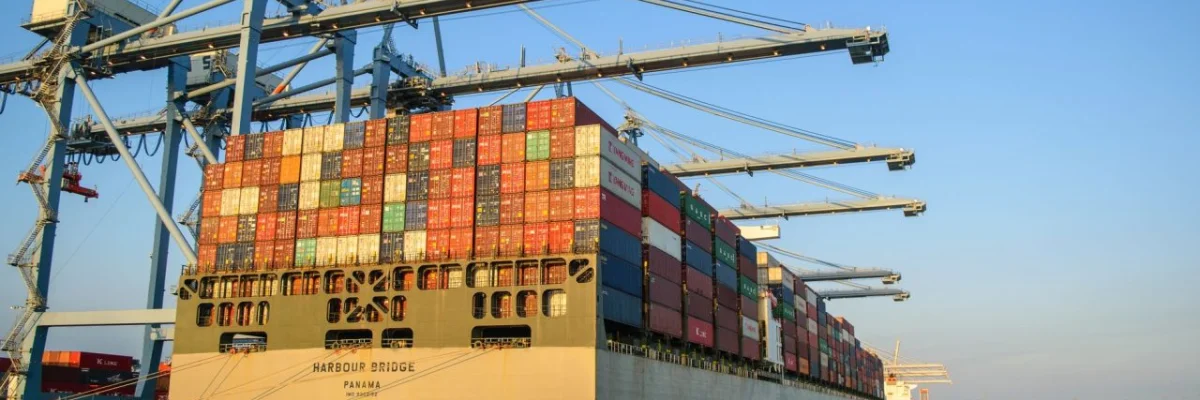
The global freight forwarding landscape is evolving at a rapid pace, demanding agility and precision from logistics providers to stay competitive in an interconnected world. Navigating complex supply chains requires more than traditional manual processes, as modern clients expect real-time updates, transparency, and seamless digital documentation. By leveraging cloud-based platforms like MakeCargo, forwarders can eliminate operational bottlenecks, reduce human error, and foster stronger relationships with carriers and customers alike. Adapting to these digital transformation trends is no longer a luxury but a fundamental necessity for achieving sustained growth and operational excellence in the modern shipping industry.
Automating Documentation Flows

Digital transformation begins with digitizing your paperwork to ensure accuracy and speed. Moving away from manual data entry allows your team to focus on strategic tasks rather than administrative burdens, ultimately preventing costly delays caused by typographical errors or misplaced forms.
- Centralized document repository: Cloud platforms provide a secure space where your entire team can access bills of lading and invoices instantly from anywhere to ensure total operational visibility.
- Smart template generation: Automating the creation of standard shipping documents reduces redundant work and ensures every file meets international compliance standards without requiring manual drafting from your staff.
- Real time validation: Built-in automated checks identify missing fields or data inconsistencies before a shipment departs, preventing customs holds and reducing overall administrative cycle times for freight.
- Secure digital signatures: Implementing electronic signature capabilities accelerates the approval process by allowing stakeholders to sign off on critical documents without the need for physical courier services.
By shifting to an automated document management system, you minimize the risk of human oversight and accelerate the movement of goods through ports. This digital shift provides a significant advantage when managing high volume shipments across multiple borders. Your clients will appreciate the faster turnaround times, while your staff enjoys the reduced stress of managing fragmented physical paperwork throughout the entire transit lifecycle.
Enhancing Shipment Visibility

Real time tracking is the cornerstone of modern logistics, providing peace of mind to both forwarders and end customers. Offering clear visibility throughout the transit process builds deep trust and allows teams to proactively address issues before they escalate into major problems.
- Integrated status updates: Automatically pull tracking data directly from carrier APIs into your dashboard to keep your clients informed without needing to call shipping lines repeatedly.
- Proactive delay alerts: Software systems monitor vessel movements and trigger instant notifications if a shipment deviates from the schedule, allowing for immediate communication with the customer.
- Client portal access: Give your customers 24/7 access to their specific shipment journeys through a branded portal that showcases current locations and estimated time of arrival.
- Custom event triggers: Configure personalized alerts for specific milestones like arrival at warehouse or customs clearance to ensure relevant stakeholders stay updated on every critical step.
Total transparency is no longer optional in today's supply chain environment where information is as valuable as the cargo itself. By implementing sophisticated tracking tools, you position your firm as a reliable partner capable of managing uncertainty. This level of communication ensures that your customers feel supported at every stage, leading to higher retention rates and a stronger reputation in logistics.
Streamlining Financial Management

Managing freight finances effectively requires tight integration between operations and accounting departments. When invoices, quotes, and profit calculations live in the same system, you eliminate the risk of revenue leakage and improve cash flow management for your firm.
- Automated invoice generation: Convert operational shipment data into accurate professional invoices instantly to ensure that your billing cycle remains fast and free from manual calculation mistakes.
- Profitability margin tracking: Analyze every shipment in real time to see exact costs versus revenue, helping you make better decisions about carrier selection and service pricing.
- Currency management tools: Handle international payments with ease by utilizing built-in exchange rate converters that ensure your financial records remain accurate despite complex global currency fluctuations.
- Integrated payment gateways: Enable online payments for your clients to expedite receivables and reduce the time spent chasing overdue invoices or managing traditional check banking processes.
A unified financial management system transforms how your freight forwarding business operates by closing the gap between delivery and payment. By keeping all financial data within your core software platform, you gain actionable insights into your bottom line. This efficiency helps you identify which lanes or clients are the most profitable, allowing for smarter strategic planning during your next quarterly review.
Improving Team Collaboration

Efficient logistics relies on seamless communication between your internal teams, overseas agents, and local partners. Breaking down communication silos is essential to ensure that everyone involved in the supply chain remains aligned on goals and shipment requirements at all times.
- Integrated messaging tools: Use platform specific chat features linked to shipment records to keep all relevant conversations organized and accessible to team members working on tasks.
- Role based access control: Manage permissions carefully to ensure that staff members have exactly the level of access they need to perform their duties safely and efficiently.
- Task management integration: Assign specific responsibilities to team members directly within the software to ensure that no operational task or follow up call ever gets missed.
- Shared knowledge base: Maintain a centralized database of carrier contacts and shipping instructions to ensure that knowledge is preserved even when key personnel are away.
Empowering your staff with collaborative tools creates a culture of accountability and collective problem solving. When your team works in harmony, they can handle increased shipment volumes with greater ease. By standardizing internal processes through your software, you create a scalable foundation that supports business expansion and long term success without the need to constantly increase your overall head count.
Conclusion

Modernizing your freight forwarding operations is the key to thriving in a competitive global market. By embracing automation, visibility, and collaboration, your business can significantly improve its operational efficiency and service quality. Start integrating these best practices into your daily workflow today to see measurable improvements in productivity. If you are ready to upgrade your logistics, MakeCargo offers the perfect platform for your needs.