Optimizing Freight Operations Through Digital Technology and Seamless Integrations
Monday, September 14 2026
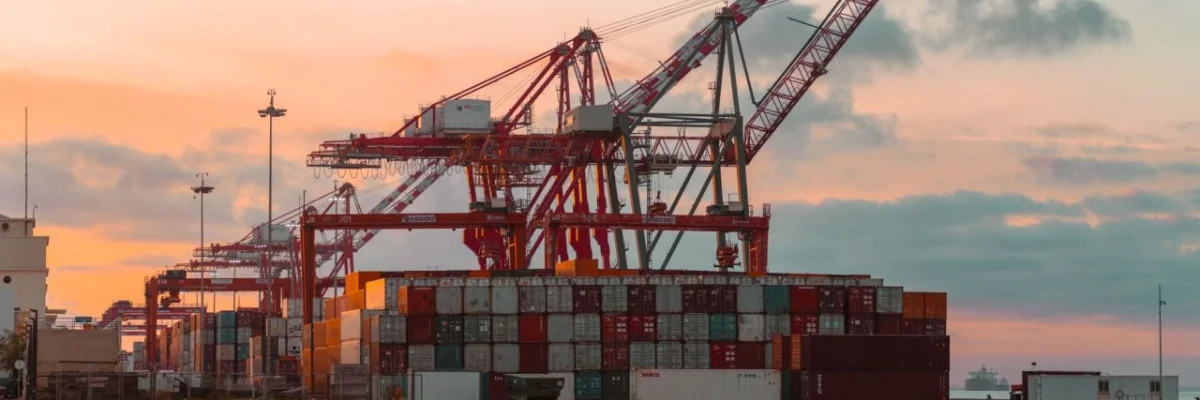
Modern freight forwarding is evolving at an unprecedented pace as logistics companies scramble to shed manual processes in favor of automated, data-driven frameworks. For forwarders, the challenge lies in balancing operational complexity with the need for real-time visibility across global supply chains. By adopting advanced cloud-based platforms, organizations can synchronize diverse datasets, improve carrier communication, and drastically reduce administrative errors. This transformation is not merely about digitizing documents but fundamentally restructuring how information flows between shippers, carriers, and agents. Leveraging integrated technology is now the primary competitive differentiator for firms aiming to scale efficiently in a volatile international market.
The Power of Cloud Connectivity
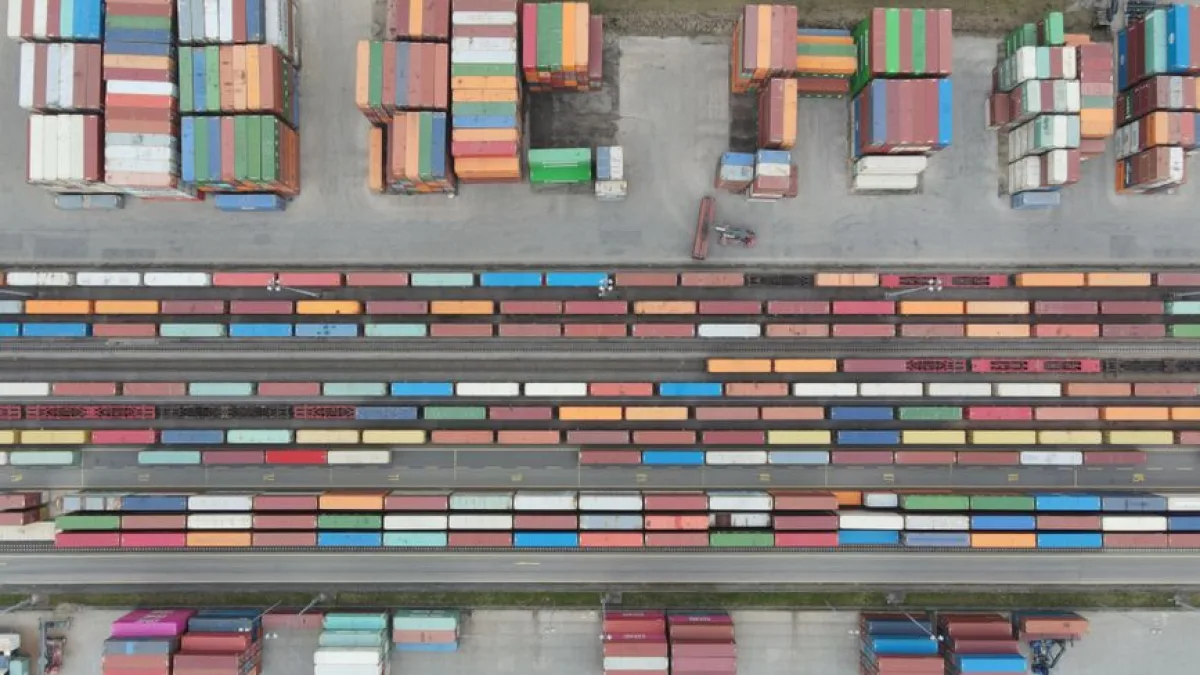
Cloud infrastructure serves as the backbone of modern freight forwarding by centralizing critical data into a single source of truth. This connectivity ensures that all stakeholders access identical information, which eliminates data silos and promotes rapid decision-making across international time zones.
- Real-time data synchronization: Cloud platforms provide instant updates across all active shipments, ensuring that every internal team member views the most current status without needing to manually sync external files.
- Scalable infrastructure growth: Forwarding companies can easily expand their digital capabilities and user base as their business volume increases, avoiding the limitations of legacy on-premise hardware systems.
- Enhanced remote collaboration: Distributed teams stay productive by accessing secure freight documentation from any global location, fostering a cohesive work environment that transcends traditional office-bound operational constraints.
- Automated security updates: Managed cloud providers handle critical system patches and security enhancements automatically, protecting sensitive cargo data from emerging cyber threats without requiring internal IT maintenance teams.
Adopting a cloud-centric model allows forwarders to focus on client relationships rather than software management. As your infrastructure resides off-site, you benefit from consistent uptime and reduced overhead expenses related to local server maintenance. This digital foundation supports faster onboarding for new staff and provides the agility required to pivot operations when sudden market disruptions impact global transit lanes or local port conditions.
Integrating Automated Customs Documentation

Automated documentation tools represent a significant leap forward for customs compliance teams. By linking your management software directly to regulatory portals, your organization can minimize human error, expedite border processing, and avoid the costly delays associated with incorrect customs filings.
- Eliminating manual entry: Automated systems extract shipment data directly from booking documents, populating official customs forms instantly to remove the risk of typographical errors that lead to audits.
- Regulatory compliance updates: Software platforms receive automatic updates regarding changing international trade regulations, ensuring that all filings align with the latest legal requirements for each specific region.
- Seamless document retrieval: Digital archiving allows staff to locate historical customs records in seconds, providing a clean audit trail that demonstrates full compliance to authorities during periodic reviews.
- Direct authority communication: Integrated modules facilitate electronic data interchange with customs agencies, allowing for immediate submission and faster approval cycles for cargo entering or exiting controlled borders.
Reducing the manual burden of customs clearance transforms your back-office into a streamlined revenue engine. By automating repetitive documentation tasks, your expert brokers can concentrate on complex classification issues or exception management. This shift ensures higher throughput for your daily operations while minimizing the financial risks associated with non-compliant paperwork, eventually strengthening your reputation with clients who demand accuracy and reliability.
Visualizing Supply Chain Transparency
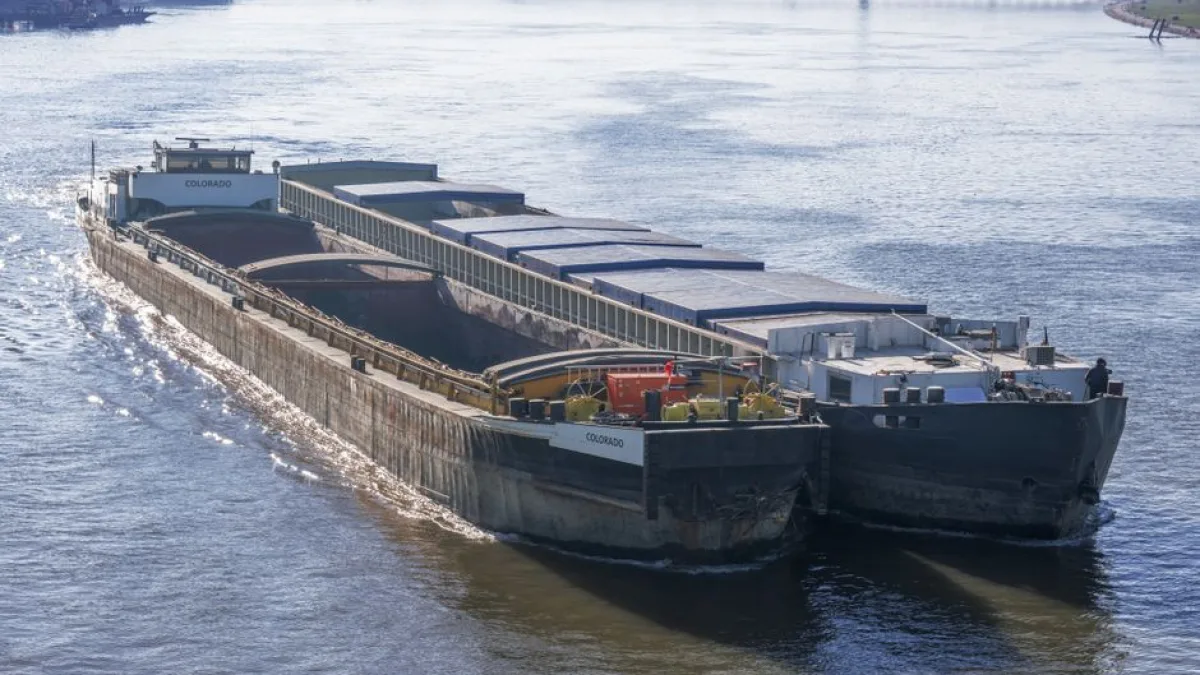
Visibility remains a top priority for shippers who demand full awareness of their cargo status. Modern dashboard tools aggregate tracking data into intuitive visual formats, allowing forwarders to proactively notify clients about potential delays before they occur during the transit process.
- Interactive tracking maps: Live tracking modules provide visual representation of vessel paths and air freight routes, offering clients a clear view of their shipment progress at any hour.
- Exception management alerts: Automated notifications warn operational staff about potential bottlenecks or weather delays immediately, enabling the team to formulate contingency plans before customers voice any serious concerns.
- Customized reporting suites: Data visualization tools allow forwarders to generate professional reports for clients, highlighting key performance metrics and efficiency improvements achieved through your specialized logistics management service.
- Mobile accessibility features: Client-facing mobile interfaces empower customers to check shipment status on their own devices, reducing the volume of status-check calls handled by your customer service department.
Transparent communication is the key to building long-term loyalty with your shippers. When you offer clients a clear, accessible view of their logistics lifecycle, you establish trust and authority in the marketplace. Providing high-level insights into shipping performance allows you to demonstrate added value beyond simple transportation, cementing your position as a strategic partner rather than just a basic service provider in their supply chain.
Streamlining Financial Workflows

Integrating financial modules into your freight software ensures that billing and invoicing are as efficient as transportation logistics. By connecting your platform to accounting tools, you can automate payment cycles and improve cash flow management for your forwarding business.
- Automated invoice generation: System modules trigger professional invoices immediately upon shipment completion, ensuring that all billing is accurate and dispatched without the need for manual review processes.
- Currency conversion precision: Integrated financial systems handle complex multi-currency transactions automatically, applying current exchange rates to ensure precise billing for international shipments across diverse global markets.
- Real-time profit analysis: Dashboard tools provide instant visibility into shipment margins, allowing management to evaluate the profitability of specific trade lanes and refine pricing strategies for future business.
- Seamless payment reconciliation: Automated tracking of incoming payments matches invoices against bank deposits, reducing the time spent by accounting departments on manual ledger updates and reconciliation tasks.
Optimizing your financial workflows protects your margins and sustains healthy business operations. By removing friction from the billing process, your finance team spends less time hunting for payment discrepancies and more time focused on strategic planning. This technological investment delivers immediate returns by accelerating cash conversion cycles and providing the financial clarity needed to make informed decisions about your company growth strategies.
Conclusion

Embracing technology and integrations is essential for forwarders who want to thrive in a digital-first global economy. By streamlining cloud connectivity, customs documentation, visibility, and financial workflows, you create a robust platform that drives efficiency and client satisfaction. Invest in these digital capabilities today to secure your competitive advantage and prepare your organization for the future of international logistics and freight management.