Optimizing Freight Operations Through Digital Technology and Seamless Integrations
Thursday, September 17 2026

Modern freight forwarding is undergoing a rapid digital transformation that shifts the industry away from manual data entry and fragmented communication. For logistics professionals, staying competitive now requires adopting cloud-based platforms that act as a central hub for all supply chain activities. By embracing advanced technology, forwarders can eliminate operational bottlenecks, improve visibility across multiple transport modes, and deliver superior service to clients. As global trade becomes more complex, the ability to integrate disparate systems into one unified ecosystem is no longer just an advantage but a fundamental necessity for companies looking to scale effectively and increase overall profit margins.
The Power of Centralized Data

Centralizing your logistics data allows teams to access real-time information from a single interface. This eliminates the need for manual record keeping across multiple spreadsheets while ensuring that every department operates from the same accurate version of the truth.
- Unified data access: Having all documentation and shipment status updates in one location reduces time spent searching for files and prevents costly errors during the booking process.
- Improved team collaboration: When your entire staff accesses the same platform, communication becomes smoother and internal handovers happen with complete transparency, leading to higher operational efficiency across the board.
- Enhanced reporting capabilities: Advanced analytics tools within cloud software generate deep insights into your performance metrics, helping you identify trends and make data-driven decisions for future growth.
- Automated file management: Digitizing paperwork means that invoices, bills of lading, and customs forms are securely archived, searchable, and always accessible for audits or client inquiries.
By migrating your data to a robust cloud infrastructure, you effectively remove the silos that often hinder productivity in busy freight offices. This transformation empowers your staff to move away from tedious administrative work and focus on higher value tasks like client relations and strategic planning. The result is a more resilient operation that can handle increased shipment volumes without requiring additional manual effort or headcount.
Automating Workflow and Communication

Automation is the engine that drives modern freight forwarding productivity by handling repetitive tasks without human intervention. By setting up intelligent workflows, your software can trigger notifications, updates, and documentation generation automatically as shipments move through various lifecycle stages.
- Instant status alerts: Automated systems send proactive notifications to clients as soon as shipment milestones are met, which significantly reduces incoming emails and phone calls regarding tracking.
- Dynamic document generation: Freight software can pull relevant booking information to generate shipping documents instantly, ensuring accuracy and saving hours of manual drafting time every single week.
- Proactive anomaly detection: Smart systems monitor your supply chain for potential delays or exceptions, allowing your team to address issues before they escalate into major customer problems.
- Simplified client portals: Providing your customers with a secure portal allows them to track cargo and download documents independently, enhancing their user experience while freeing up your staff.
Building automated workflows allows your business to scale operations without the burden of linearly increasing your administrative costs. When your software handles routine communication, your team can dedicate their energy to managing exceptions and complex logistics scenarios that require human expertise. This balance between automation and professional oversight is what defines the most successful and profitable freight forwarding companies operating today.
Seamless Carrier and Partner Integrations
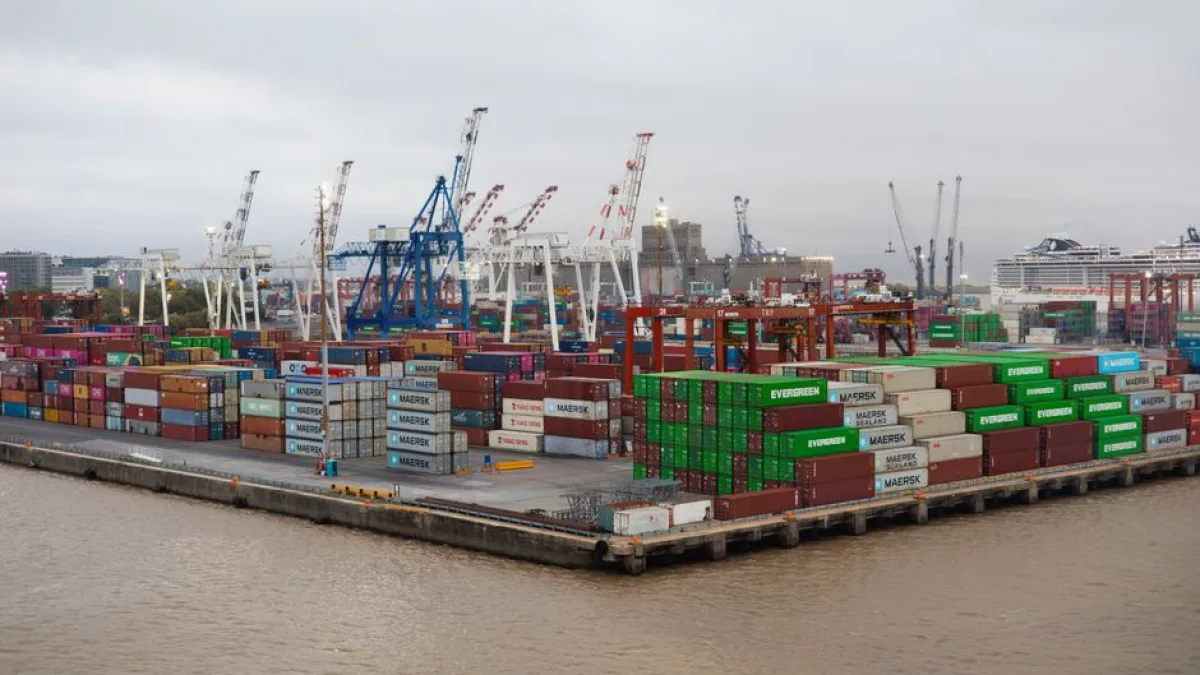
Integrating your platform with carriers and agents creates a frictionless flow of information across the global shipping network. When your software talks directly to partner systems, you gain immediate visibility into vessel schedules, rates, and critical port operations globally.
- Direct carrier connectivity: Integrating with major shipping lines allows for real-time rate retrieval and direct booking submissions, cutting down the time spent manually navigating multiple carrier web portals.
- API agent collaboration: Connecting with your overseas agents through an integrated platform ensures that data flows between parties without the risk of transcription errors or missing communication.
- Dynamic rate comparison: Accessing live rates from various providers within your software empowers you to choose the most cost-effective and efficient shipping routes for every individual shipment.
- Synchronized schedule updates: Automated schedule updates from carriers keep your dashboard current, ensuring that any vessel delays are immediately reflected in your logistics planning and client status.
Reliable integrations are the bridge between your office and the rest of the world. By removing the friction involved in manual partner communication, you create a more agile organization that can respond to market changes faster than your competitors. This high level of connectivity is essential for managing the complexities of international trade while maintaining the accuracy of your client reporting systems.
Scalability Through Cloud Infrastructure

Cloud-based infrastructure offers the flexibility needed to expand your business reach and adapt to fluctuating market demand. Unlike legacy systems that require heavy hardware investments, modern platforms provide an elastic environment that supports your growth and technological evolution effortlessly.
- Reduced IT overhead: Moving to the cloud eliminates the need for expensive in-house servers and maintenance staff, shifting your focus entirely toward managing your freight operations and customers.
- Constant platform updates: Cloud providers regularly push feature enhancements and security updates, ensuring your business always benefits from the latest industry technology without needing manual software upgrades.
- Secure data protection: Modern cloud platforms utilize enterprise grade encryption and robust backups, keeping your sensitive shipping data safe from cyber threats and potential hardware failures daily.
- Remote access flexibility: Cloud software enables your team to work from anywhere in the world, facilitating a modern hybrid workspace that attracts top talent regardless of physical location.
Leveraging a cloud platform gives your company the foundation to scale into new markets or handle spikes in cargo volumes with ease. You no longer have to worry about the limitations of your local hardware or software compatibility issues. Instead, you can focus on building your brand and providing exceptional service to your clients while your technology infrastructure handles the heavy lifting behind scenes.
Conclusion

Adopting advanced freight software is a strategic investment in the future of your logistics business. By focusing on centralizing data, automating manual workflows, integrating with global partners, and utilizing cloud infrastructure, you position your firm for sustainable growth. Start upgrading your internal processes today to improve efficiency, reduce operational errors, and provide the transparent experience that today's modern shipping clients expect from their partners.