Optimizing Freight Operations Through Digital Technology and Seamless Integrations
Thursday, October 8 2026
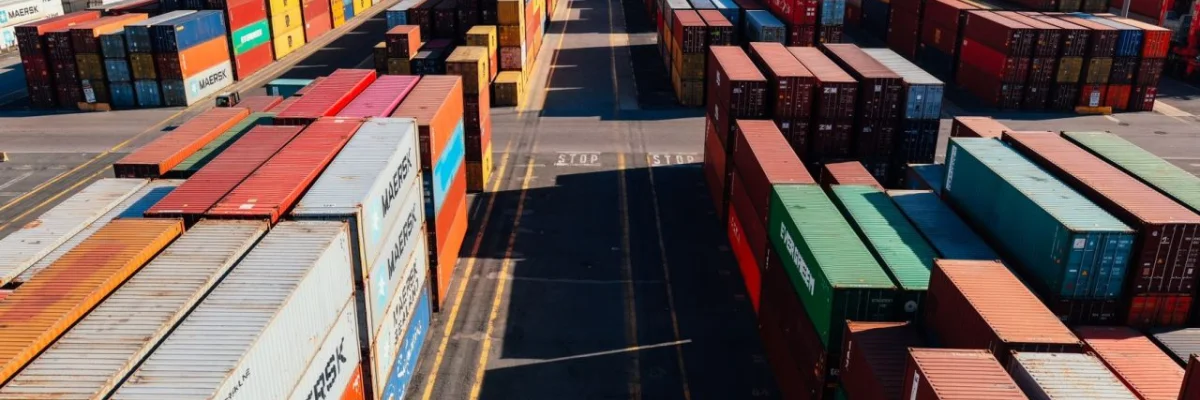
Modern freight forwarding is undergoing a rapid digital transformation where manual processes are being replaced by automated, data-driven systems. For professionals in the logistics industry, staying competitive requires moving beyond spreadsheets and fragmented communication methods. Cloud-based platforms offer the agility needed to manage global supply chains with precision and speed. By leveraging modern technology stacks, companies can synchronize their operations, improve visibility across multiple transport modes, and foster better collaboration with partners. Adopting integrated software solutions is no longer a luxury but a fundamental necessity for forwarding businesses aiming to scale operations while maintaining high standards of service and operational efficiency.
Centralized Data Management
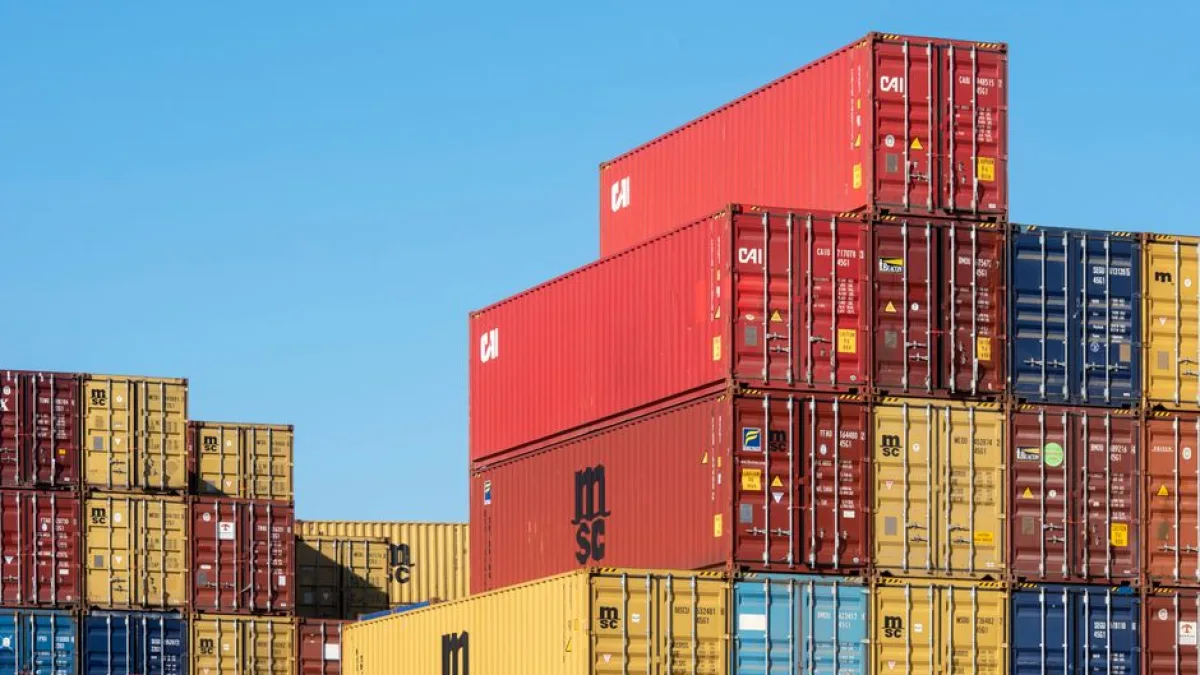
A unified digital platform transforms complex shipping data into a single source of truth for your entire team. By centralizing documentation, customs filings, and transit milestones, companies eliminate silos and drastically reduce the risk of human errors during high-pressure shipments.
- Real-time visibility tools: Integrated software provides instant access to shipment status updates, allowing your team to monitor cargo progress and proactively address potential delays before they impact your clients operations.
- Document automation features: Advanced systems automatically generate, store, and organize essential shipping documents, ensuring that every piece of compliance paperwork is perfectly aligned with current international regulatory standards and requirements.
- Client portal access: Providing customers with secure digital access to their shipment data improves transparency, builds long-term trust, and significantly reduces the volume of repetitive status update inquiries for staff.
- Cloud storage security: Enterprise-grade cloud solutions protect sensitive corporate data through advanced encryption, ensuring your freight information remains secure while staying accessible to authorized personnel from any global location.
Consolidating your operational data into a single cloud platform allows your team to focus on strategic growth rather than administrative maintenance. When information flows freely between departments and external partners, decision making becomes faster and more accurate. This level of synchronization empowers forwarders to handle complex logistical challenges with confidence, ultimately providing a superior service experience that keeps your clients satisfied and loyal to your brand.
Automated Workflow Processes

Manual data entry is a significant drain on productivity and often leads to costly bottlenecks within a freight forwarding business. Automating routine tasks such as billing and booking confirmations frees your skilled staff to manage exceptions and provide value-added services.
- Automated booking workflows: Streamline the intake process by using automated booking forms that instantly capture client requirements and initiate internal tasks without requiring manual data transfers between different software applications.
- Smart invoice generation: Intelligent billing modules automatically calculate rates based on specific carrier agreements, reducing invoicing errors and accelerating the payment collection cycle to improve your company cash flow.
- Proactive notification systems: Set up automated triggers that send status alerts to relevant stakeholders as shipments hit key milestones, reducing the need for constant manual email status updates.
- Customized workflow triggers: Tailor your software to execute specific operational steps automatically based on cargo type, destination, or service level, ensuring that every shipment follows your standard operating procedures.
By shifting your focus toward automation, you transform your internal processes into a scalable machine that functions efficiently around the clock. Reducing the reliance on manual inputs not only minimizes the potential for human error but also boosts the morale of your team members. They can dedicate their time to high-value problem solving, which improves overall service quality and helps your business remain highly profitable.
Carrier and Port Integrations

Direct API integrations with global carriers and port authorities allow your software to communicate seamlessly with the wider shipping ecosystem. This connectivity is vital for obtaining accurate pricing, tracking information, and regulatory updates in a truly global landscape.
- Real-time carrier connectivity: Direct API links to major shipping lines enable you to receive instant freight quotes and tracking data, ensuring your business stays updated with current market rates.
- Seamless port updates: Receive automated alerts regarding port congestion and gate status directly within your platform, allowing your dispatch team to make informed routing decisions for better efficiency.
- Regulatory compliance checks: Integrate directly with customs databases to ensure all filings are accurate and compliant with local regulations, helping to prevent costly inspections or delays at borders.
- Standardized data exchange: Utilize industry standard messaging protocols to ensure that information shared with carriers remains consistent, preventing errors that typically occur during manual data re-entry tasks.
Connecting your platform to external carrier and port systems removes the friction that often hinders international shipping movements. By having instant access to live data, your logistics team can pivot quickly when disruptions occur, maintaining steady service levels for your customers. These integrations provide a major competitive advantage, as you are able to offer more reliable tracking and faster response times than your traditional competitors.
Scalability Through Cloud Infrastructure

Cloud infrastructure provides the flexibility to scale your operations rapidly without heavy investments in local hardware. As your freight volume increases, your software platform should expand alongside your business to support new routes, additional offices, and larger teams.
- Flexible resource allocation: Cloud platforms allow you to scale your computing power and storage capacity instantly, supporting your business expansion plans without needing expensive hardware upgrades or maintenance.
- Global access anywhere: Enable your employees to work from any location with a secure internet connection, facilitating remote operations and attracting talent from across the global logistics market.
- Rapid software deployment: New offices or branches can be onboarded to your central management platform in minutes, ensuring that all teams operate on the same software version instantly.
- Cost effective scaling: Subscription based models ensure you only pay for the capacity you use, providing an efficient way to manage overhead costs during seasonal volume fluctuations or growth.
The ability to adapt and grow is essential for forwarders aiming to survive in an unpredictable global economy. Utilizing cloud-based infrastructure ensures your business remains agile, allowing you to enter new markets or handle spikes in volume with ease. By focusing on a technology-first approach, you build a resilient foundation that supports your long-term vision while providing the necessary support for day-to-day excellence.
Conclusion

Investing in integrated technology provides the framework needed for modern freight forwarders to thrive. By focusing on centralized data, workflow automation, external connectivity, and cloud scalability, you create a robust system that drives efficiency and growth. Embracing these digital tools allows your team to focus on what matters most, which is delivering exceptional service to your clients while navigating the complexities of the global market.