Optimizing Freight Operations Through Advanced Software Integration
Wednesday, July 22 2026

The global logistics landscape is shifting rapidly as freight forwarders face increasing pressure to provide real-time visibility and seamless communication across complex supply chains. Traditional manual processes are no longer sustainable in an era where data speed defines competitive advantage. By adopting cloud-based platforms like MakeCargo, logistics providers can automate repetitive tasks and connect fragmented systems into a unified digital ecosystem. This transition is not merely an IT upgrade but a fundamental business transformation that empowers teams to focus on strategic client growth rather than administrative bottlenecks. Embracing modern technology is the definitive step toward achieving scalable excellence in today's high-stakes shipping environment.
Centralizing Data Streams

Consolidating disparate data points into a single interface eliminates the errors caused by manual entry and redundant documentation processes. This unified approach provides teams with a single source of truth that improves operational accuracy and speeds up decision-making cycles significantly.
- Seamless API connectivity: Modern platforms use robust APIs to exchange information between carriers and shippers instantly to ensure that all parties have access to updated shipment statuses at any time.
- Automated data synchronization: Information flows between departments without human intervention which reduces the risk of typos and ensures that billing and operational data remain consistent across the entire enterprise platform.
- Unified reporting tools: Managers gain access to powerful analytics dashboards that visualize performance trends and help identify potential delays before they escalate into major customer service issues or operational failures.
- Cloud storage access: Documents are securely hosted on remote servers which allows global teams to collaborate on files simultaneously without worrying about version control or expensive physical storage hardware requirements.
By bringing every aspect of your shipment data under one digital roof, you effectively remove the information silos that hinder growth. This improved level of transparency fosters better collaboration between your internal departments and external partners. As a result, your organization becomes more agile and responsive to market changes, ensuring that you deliver consistent service quality while reducing overhead costs associated with legacy software management.
Automating Workflow Processes

Automating repetitive administrative tasks allows your staff to pivot toward high-value activities such as complex problem-solving and client relationship management. By removing the burden of manual data processing, your team can handle larger volumes of cargo with greater efficiency.
- Smart document generation: Systems automatically populate essential shipping forms using existing database entries which significantly reduces the time spent on creating house bills and customs documentation for international cargo movements.
- Custom notification alerts: Automated triggers notify stakeholders of status changes or document requirements to keep everyone informed throughout the entire lifecycle of a shipment without requiring constant manual status checks.
- Workflow rule configuration: Forwarders can set specific criteria for tasks that trigger automated actions to ensure that every shipment follows your company standard operating procedures without any missed critical steps.
- Smart rate management: Dynamic pricing engines compare carrier rates in real time to suggest the most cost-effective routing options for specific lanes while maintaining high standards for service delivery times.
Implementing automation is the key to scaling your operations without proportionally increasing your headcount. When software handles the routine heavy lifting, your employees are free to focus on improving the customer experience and expanding into new markets. This strategic shift not only optimizes your current resources but also establishes a solid foundation for long-term scalability and sustained profitability in the competitive logistics industry.
Enhancing Supply Chain Visibility
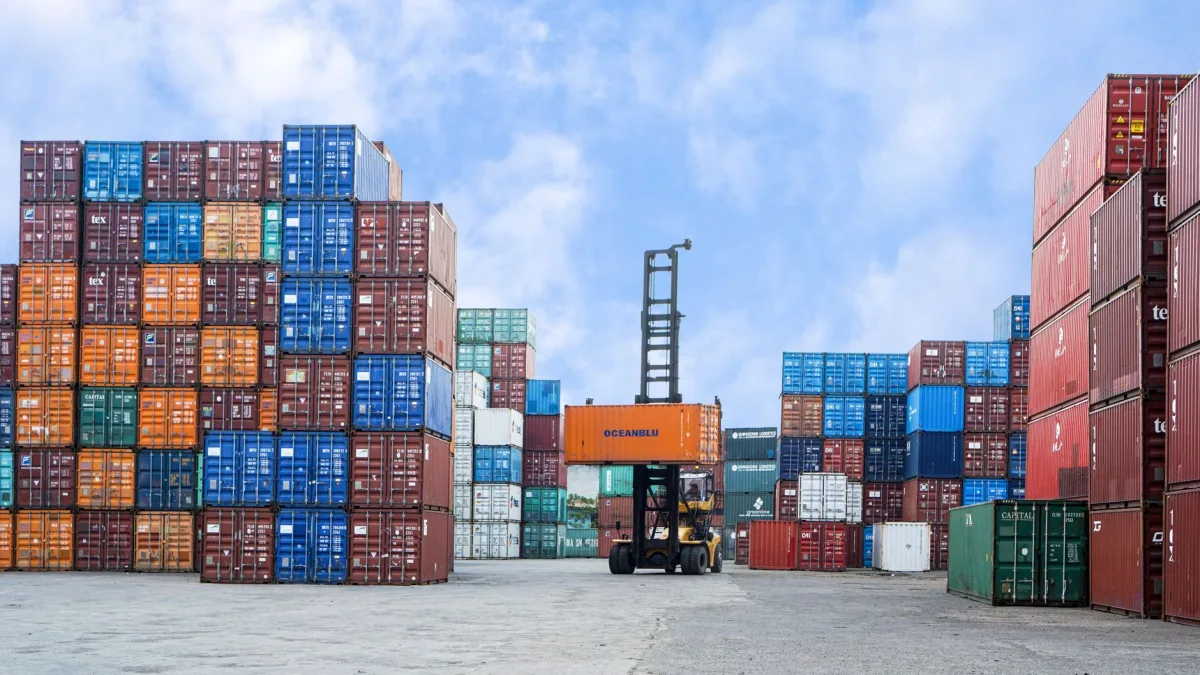
Real-time visibility tools transform the client experience by providing instant updates on cargo location and transit status. Providing this level of transparency is no longer a luxury but a fundamental requirement for building trust with sophisticated modern shippers.
- Real-time tracking integration: Global visibility tools connect directly to ocean and air carrier tracking systems to provide accurate location data for every single unit moving through your network today.
- Customized client portals: Dedicated web interfaces allow your customers to monitor their own shipments and download required documents at their convenience to reduce the volume of inbound status inquiries.
- Predictive delay analytics: Machine learning algorithms analyze historical transit data to forecast potential bottlenecks and provide early warnings so you can adjust your planning before problems impact your clients.
- Interactive mapping tools: Visual displays of current fleet locations help coordinators manage complex routes and allocate resources effectively across different geographical regions based on actual cargo movement patterns and needs.
Giving your clients direct access to information shifts the perception of your business from a traditional service provider to a technology-enabled strategic partner. This empowerment reduces the time your staff spends answering routine status calls, freeing them to handle more nuanced logistics challenges. By prioritizing visibility, you distinguish your services in a crowded market while ensuring that your operations remain proactive rather than reactive.
Scaling Through Cloud Infrastructure

Cloud infrastructure provides the flexibility to adjust your software capacity based on current business demands. This scalability ensures that your technology remains a support mechanism for growth rather than a restrictive barrier to expanding your global service capabilities.
- Flexible resource scaling: You can increase user access and data storage limits immediately to accommodate seasonal surges in shipment volumes without needing to purchase expensive physical server hardware or upgrades.
- Secure remote access: Cloud platforms support a distributed workforce by allowing team members to access secure applications from any location with a stable internet connection using standard browser interfaces.
- Automatic security patches: Managed cloud environments handle all software updates and security protocols centrally so your business always utilizes the latest features and highest standards of data protection available.
- Cost efficient implementation: Transitioning to subscription models eliminates large upfront capital investments and shifts your software costs into predictable operating expenses that align directly with your current business growth goals.
Choosing a cloud-based path provides the agility required to survive and thrive in the modern freight industry. With centralized security and the ability to scale on demand, you can confidently pursue new market opportunities without technical limitations slowing you down. Investing in robust cloud architecture is the best way to ensure your business remains resilient, competitive, and ready for the future of global logistics.
Conclusion

Successful freight forwarding requires a commitment to digital integration and operational efficiency. By centralizing data, automating workflows, improving visibility, and leveraging cloud scalability, your firm can achieve a superior level of performance that attracts and retains high-value clients. Start evaluating your current software stack today to identify where technology can bridge the gap between your current processes and your future business goals for growth.