Optimizing Freight Operations Through Advanced Software Integration
Saturday, August 15 2026
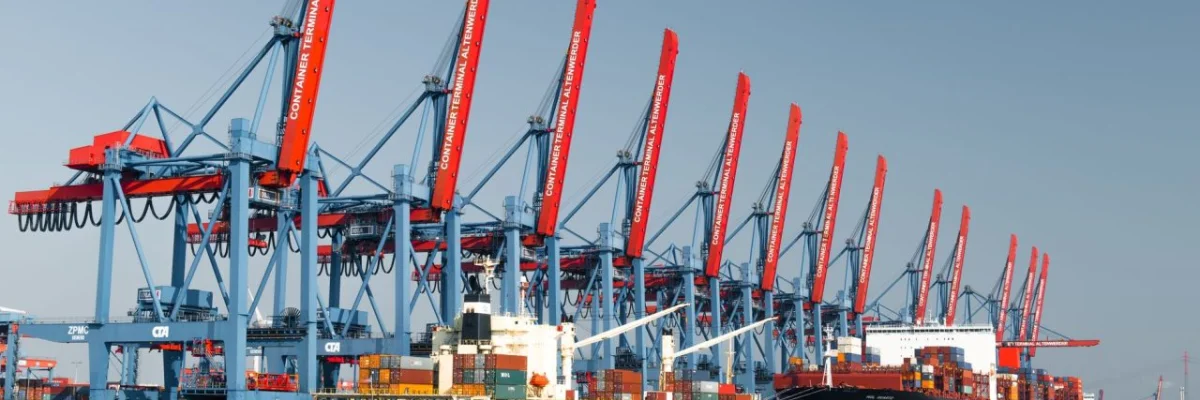
The global logistics landscape is undergoing a massive transformation as freight forwarders move away from legacy manual processes toward cloud-based digital ecosystems. For modern logistics companies, the ability to seamlessly connect disparate systems is no longer a luxury but a fundamental requirement for survival in a competitive market. By centralizing operations through robust software integrations, businesses can eliminate data silos, reduce human error, and unlock unprecedented levels of visibility across their supply chains. This article explores how strategic technology adoption empowers freight forwarders to scale efficiently while providing superior service to their clients in an increasingly volatile global shipping environment.
Unified Data Architecture

A unified data architecture acts as the backbone of modern freight operations, bringing fragmented information into a single interface. By connecting your TMS with external platforms, you create a cohesive environment where data flows freely without the burden of redundant manual entries.
- Real time connectivity: Integrating your cloud software with carrier APIs ensures that tracking information updates automatically without requiring staff to manually refresh status reports or contact external shipping partners.
- Automated data synchronization: Eliminating manual input reduces the likelihood of human error while ensuring that every department views the same accurate information during critical shipment lifecycle management and operational planning.
- Seamless system interoperability: Modern platforms must communicate effectively across different protocols to ensure that your freight forwarding software remains compatible with diverse global accounting and inventory management systems today.
- Enhanced operational visibility: Consolidating information streams provides stakeholders with a comprehensive view of the entire supply chain, allowing for proactive issue resolution before minor delays become expensive operational bottlenecks.
Adopting a unified data architecture allows your team to focus on high-value tasks rather than administrative upkeep. By removing the friction associated with data reconciliation, you gain the agility required to pivot when global market conditions shift. This technological foundation supports long term growth by ensuring that your internal processes remain lean and scalable as your cargo volume continues to increase over time.
Automated Financial Workflows

Financial management often suffers from delays when accounting systems operate in isolation from operational freight data. Automating these workflows creates a direct bridge between job completion and invoicing, significantly accelerating cash flow and improving your overall business financial health metrics.
- Instant invoice generation: Triggering invoices automatically once a shipment reaches its final destination removes manual billing delays and ensures that your accounts receivable process remains efficient and highly accurate.
- Streamlined payment processing: Integrating payment gateways directly into your freight platform allows clients to settle balances instantly, reducing the time your staff spends chasing unpaid invoices or reconciling payments.
- Unified audit trails: Digital integration creates a transparent and immutable history of every financial transaction, which simplifies the auditing process and ensures compliance with international trade regulatory standards.
- Expense tracking precision: Connecting operational costs directly to specific shipments allows for detailed margin analysis, enabling you to identify which routes or services generate the highest net profit.
Automated financial workflows reduce the administrative burden on your accounting staff and minimize discrepancies between billed amounts and shipment costs. When your software handles the repetitive math of logistics, your team can concentrate on strategic financial planning and vendor negotiations. This shift toward digital efficiency ensures that your company maintains a healthy bottom line while fostering trust with your professional partners.
Global Partner Collaboration

International shipping requires close cooperation between forwarders, agents, and customs brokers across multiple time zones. Robust software integrations facilitate this collaboration by providing a shared digital space where all parties can interact with shipment documents in real time.
- Collaborative document sharing: Centralizing documentation in the cloud ensures that every partner has immediate access to critical paperwork, which prevents delays at customs checkpoints and improves overall transit times.
- Transparent communication channels: Replacing fragmented email threads with integrated messaging features keeps all stakeholder conversations attached directly to the shipment record for easy reference and future accountability audits.
- Standardized data exchange: Utilizing common digital formats between global partners ensures that information is interpreted consistently regardless of the regional standards or software tools used by different agents.
- Task management integration: Assigning specific responsibilities to international partners through the platform keeps every stakeholder accountable and informed about their required input during the complex freight forwarding process.
Enhancing global partner collaboration through technology bridges the gaps often found in international trade. When all parties operate from the same information set, the risk of miscommunication drops significantly, leading to smoother handovers and fewer transit interruptions. By investing in these digital connections, you demonstrate reliability to your international network, which encourages stronger long term relationships and more consistent service quality levels.
Predictive Logistics Insights

Harnessing the power of integrated data allows freight forwarders to transition from reactive troubleshooting to predictive logistics planning. Advanced analytics tools parse historical and current shipment data to reveal trends that help you optimize your shipping routes and carrier choices.
- Trend analysis capabilities: Evaluating historical performance data helps your team identify seasonal shipping patterns, allowing for better capacity planning and more accurate pricing strategies throughout the busy fiscal year.
- Route optimization intelligence: Integrating carrier performance data allows you to select the most reliable and cost-effective shipping lanes, reducing transit times while improving the overall satisfaction of customers.
- Exception management alerts: Proactive monitoring systems notify your staff about potential delays before they impact the final delivery, enabling them to suggest alternative solutions to your valued clients early.
- Capacity forecasting tools: Using integrated logistics data to predict upcoming volume spikes ensures that your team is adequately staffed and prepared to handle increased demand during peak seasons.
Predictive logistics insights turn your operational data into a strategic asset that guides your future business decisions. By anticipating challenges, you can provide a proactive service experience that sets your firm apart from competitors relying on manual spreadsheets. This forward-looking approach ensures that your operations remain resilient against market fluctuations, helping you maintain excellence while scaling your business toward new global goals.
Conclusion
Integrating your freight forwarding software is the definitive way to future-proof your logistics business. By centralizing data, automating financial cycles, and fostering seamless partner collaboration, you create a powerful engine for long term growth and stability. Start prioritizing these digital connections today to ensure your operations remain efficient and competitive. Contact the MakeCargo team to see how our platform bridges your logistical gaps.