Optimizing Freight Operations Through Advanced Software Integrations
Monday, July 27 2026

The modern logistics landscape demands unprecedented levels of connectivity and data agility to remain competitive. As freight forwarding professionals navigate complex global supply chains, manual processes and isolated data silos have become significant barriers to growth. Leveraging a cloud-based freight forwarding platform allows firms to centralize operations, automate repetitive tasks, and achieve real-time visibility across international borders. By integrating advanced software solutions, forwarders can transform their technical infrastructure into a strategic asset. This transition not only enhances operational efficiency but also provides the scalable foundation required to meet the evolving expectations of shippers who demand transparency, speed, and accuracy in every single transaction.
Centralizing Data Flows
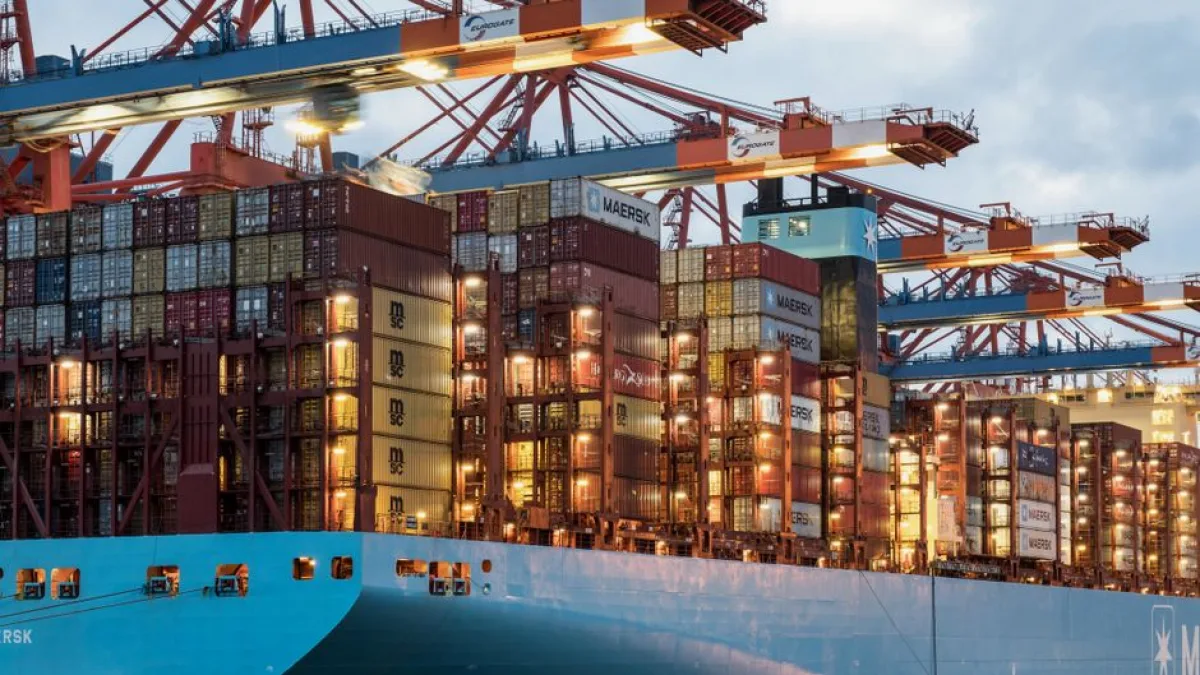
Centralizing your data is the most effective way to eliminate friction between departments and external partners. By consolidating disparate workflows into a single cloud platform, freight forwarders gain a clear, accurate overview of every shipment phase, reducing errors and saving time.
- Seamless API connectivity: Modern platforms allow you to connect directly with carriers, customs authorities, and internal systems to ensure that data flows without manual intervention or double entry errors.
- Unified database access: Storing all documentation and communication in one location ensures your entire team works from the same information, which significantly improves decision-making speed and overall operational accountability.
- Automated data synchronization: Real-time updates between your freight management system and accounting software prevent discrepancies in invoicing, which helps your finance team process payments and billing much faster.
- Scalable cloud architecture: Moving your operations to the cloud provides the flexibility to adjust your resource needs instantly as your business grows without the burden of maintaining expensive local servers.
Consolidating your operational data removes the persistent burden of managing multiple fragmented software tools. When information resides in one secure, accessible environment, your staff can focus on high-value tasks rather than hunting for misplaced files. This transition marks the first major step toward achieving a truly integrated supply chain, ultimately resulting in higher client satisfaction levels and significantly lower administrative overhead costs.
Real-Time Visibility Tools

Global supply chains depend on constant, precise tracking information to manage stakeholder expectations. By utilizing integrated visibility tools, forwarders offer clients the ability to monitor cargo journeys in real-time, effectively mitigating risks and proactively addressing any potential delays throughout shipping.
- Automated status updates: Configure your platform to trigger automatic notifications whenever a shipment reaches a specific milestone, keeping clients informed without requiring them to contact your team for manual status checks.
- GPS integration capabilities: Link your system with live telematics data to provide pinpoint accuracy regarding vehicle or container locations, giving clients a sense of security and trust in your services.
- Exception management alerts: Receive immediate notifications if a vessel is delayed or a port experiences congestion, allowing you to re-route cargo quickly and minimize the impact on your customers.
- Customer portal access: Empower your clients to log into a branded, secure portal where they can view live shipment metrics, download documents, and check historical data whenever they need it.
Visibility serves as the bedrock of trust in the freight forwarding industry. When clients can access live information, they feel more confident in your ability to manage their logistics needs effectively. Adopting these advanced tracking tools reduces the volume of status inquiries handled by your staff, allowing the team to dedicate more effort toward complex problem solving and business development activities.
Customizing Digital Workflows
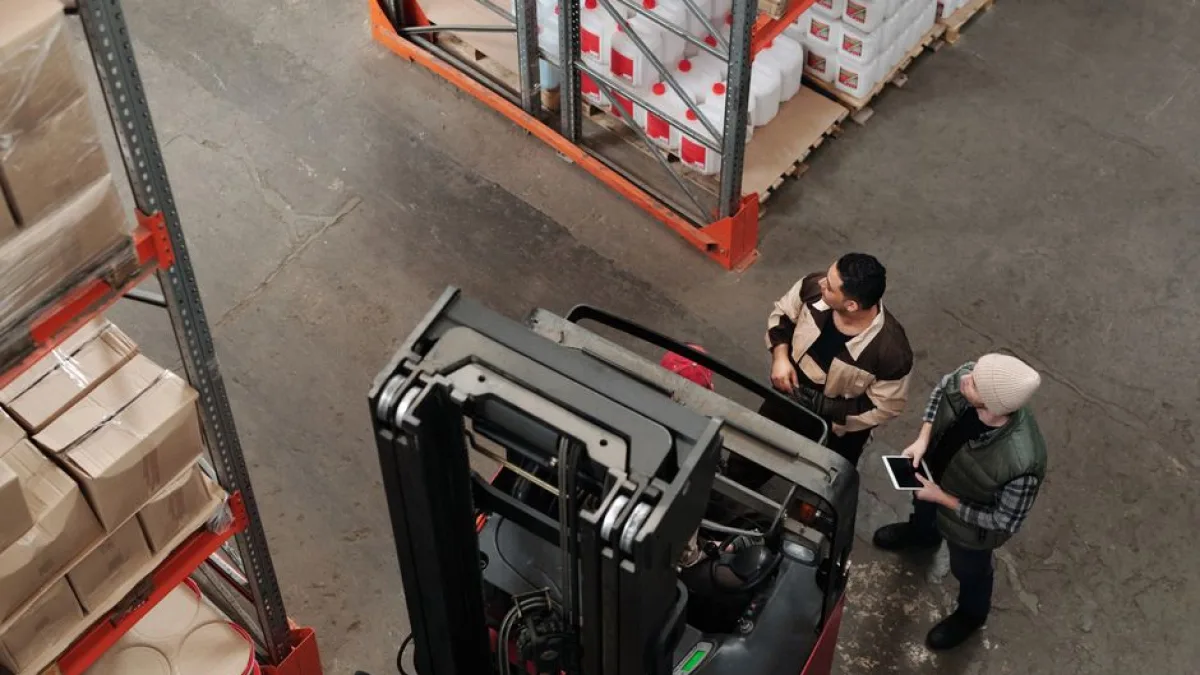
Every freight forwarding company operates with unique requirements based on their specific trade lanes and commodity types. Customizable digital workflows ensure that your software platform adapts to your company, rather than forcing your team to change how they conduct business.
- Dynamic form creation: Design and deploy custom document templates that adapt to the specific requirements of different countries or cargo types, ensuring compliance remains easy and entirely error-free.
- Automated approval sequences: Implement custom rules that trigger internal reviews or management approvals only when specific criteria are met, which accelerates document processing and keeps operations moving forward quickly.
- Task automation triggers: Create automated events that assign tasks to specific team members based on shipment milestones, ensuring that no critical compliance or operational step is ever overlooked.
- User role configuration: Fine-tune access rights for different departments or partners so that every user sees only the information necessary for their specific role, enhancing overall internal data security.
Customization allows your organization to preserve its unique operational strengths while benefiting from the power of automation. By tailoring the software interface to match your internal procedures, you minimize the learning curve for new employees and maintain consistency across your global offices. A flexible platform enables you to evolve alongside market changes, ensuring your processes remain optimized for maximum long-term efficiency.
Cybersecurity and Compliance

Protecting sensitive cargo data and client privacy is a non-negotiable priority for modern freight forwarders. Integrated software platforms provide the robust security infrastructure needed to guard against cyber threats while simplifying the complex process of maintaining ongoing international trade regulatory compliance.
- Multi-factor authentication protocols: Implement robust login requirements across your entire organization to ensure that only authorized personnel can access sensitive financial and shipment documentation within your freight management system.
- Encrypted data storage: Utilize enterprise-grade encryption methods for all stored information, protecting your company and your clients from data breaches that could compromise sensitive commercial agreements or personal details.
- Automated compliance reporting: Generate accurate regulatory filings directly from your system to ensure that all documentation meets the latest international trade standards, reducing the risk of fines and delays.
- Regular security auditing: Leverage cloud platforms that provide continuous monitoring and automatic updates, ensuring your digital defenses stay one step ahead of the latest emerging threats in cybersecurity.
Security is not just a defensive measure but a competitive advantage that wins high-value contracts. By demonstrating that your digital infrastructure meets strict security standards, you provide clients with the peace of mind they require when selecting a logistics partner. Investing in secure, compliant software protects your company reputation, minimizes financial risks, and builds a foundation for sustainable, secure international freight growth.
Conclusion

Integrating technology into your freight forwarding operations is essential for scaling in the digital age. By focusing on data centralization, real-time visibility, customizable workflows, and robust security, your firm will gain the agility to outperform competitors. Embrace these digital tools today to simplify your complex logistics processes, improve client relationships, and position your company for long-term success in an increasingly connected global market.