Optimizing Freight Operations Through Digital Integration
Monday, July 27 2026
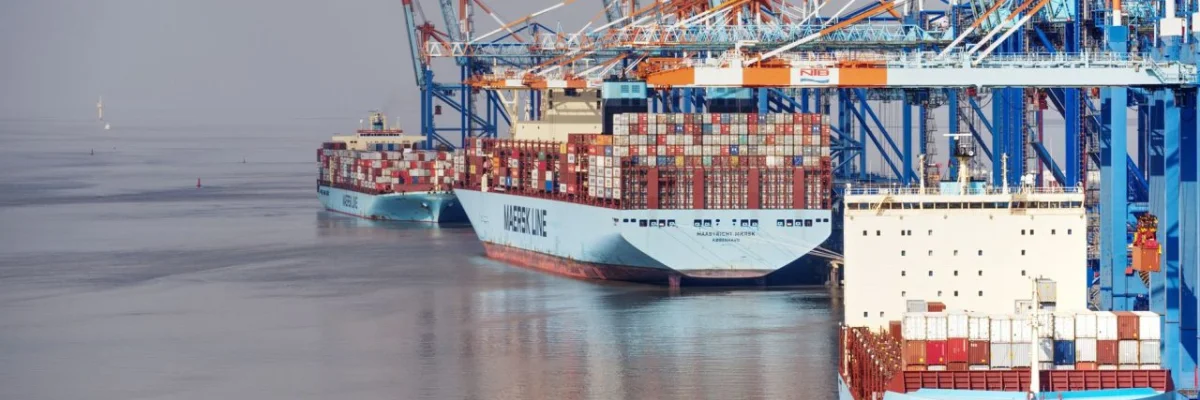
Modern freight forwarding is undergoing a profound transformation driven by rapid technological advancement and the constant need for supply chain transparency. As global trade becomes increasingly complex, professionals must leverage advanced software platforms to maintain a competitive edge. Integrating diverse digital tools into a unified ecosystem allows forwarders to automate manual tasks, reduce human error, and provide clients with real time updates. By embracing these innovative solutions, logistics companies can shift their focus from reactive problem solving to proactive strategic planning, ultimately improving their operational efficiency and building long term customer loyalty in a very demanding market.
Centralizing Data Ecosystems

Unified software ecosystems allow teams to aggregate scattered data points into one single source of truth. This centralized approach eliminates communication silos and ensures that every stakeholder remains informed throughout the entire shipment lifecycle from origin to final destination.
- Improved data accuracy: Centralizing information reduces the need for manual entry across multiple platforms which significantly decreases the likelihood of costly errors occurring during the sensitive shipment documentation phase.
- Enhanced team collaboration: When every team member accesses the same live data, internal communication improves drastically and projects move forward without the friction caused by conflicting information sources.
- Streamlined reporting tools: Managers gain immediate access to comprehensive analytics that allow them to make data driven decisions regarding routes, carrier selection, and overall resource allocation strategies daily.
- Unified client portal: Providing customers with a single digital interface to track their shipments increases transparency and reduces the volume of repetitive status update inquiries you receive.
Adopting a centralized platform acts as the foundation for your digital growth. By removing the technical barriers that often disconnect departments, you create a fluid environment where information flows freely. This investment in connectivity pays dividends through saved hours and happier clients who trust your process. Your team will spend less time hunting for documents and more time managing high value relationships.
Automating Complex Workflow Processes

Automation serves as the backbone of high performance forwarding by handling repetitive tasks that otherwise consume valuable human time. By programming triggers for routine updates, professionals can focus on managing exceptions rather than manually monitoring standard operational procedures throughout the day.
- Smart document generation: Automated systems generate critical shipping documents like bills of lading and invoices instantly by pulling relevant data directly from your current active shipment files.
- Instant status triggers: Set up automated notifications that alert your team or customers when a milestone is reached so that status updates happen without any manual intervention.
- Compliance check automation: Software solutions automatically verify customs regulations and security requirements for each route to ensure your shipments avoid unnecessary delays at international borders every time.
- Financial process efficiency: Automating invoice matching and payment reconciliation removes the tedious tasks that typically occupy accounting teams so they can focus on financial strategy instead.
When you automate your core workflows, you effectively scale your operations without increasing headcount. This efficiency is vital for handling market fluctuations and keeping overhead costs low during quieter periods. By letting software handle the repetitive heavy lifting, your talented staff gains the mental space required to solve complex logistics challenges and deliver superior service to your most important global partners.
Leveraging Real Time Visibility

Real time visibility is no longer a luxury but a fundamental expectation of modern shippers. Providing deep insights into cargo movement allows freight forwarders to provide proactive solutions to potential delays, thereby strengthening their reputation as reliable and transparent logistics partners.
- Live location tracking: Connect directly with carrier APIs to see exactly where your cargo resides at any moment of the journey to provide precise arrival window estimates.
- Exception management alerts: Receive immediate notifications regarding weather delays or port congestion so your team can pivot to alternative routes before a minor delay becomes disaster.
- Dynamic route optimization: Use predictive modeling to identify the fastest paths across ocean and air routes based on current global infrastructure performance metrics and carrier capacity.
- Supply chain resilience: Real time data allows for better contingency planning when global disruptions occur because you can react immediately to changes in carrier availability or transit.
Integrating visibility tools into your workflow ensures that your operations remain resilient against external shocks. When your clients know exactly what is happening, they feel more confident in your ability to manage their supply chain effectively. Investing in these visibility features transforms your service offering from a basic logistical utility into a premium solution that commands higher value in the market.
Enhancing Partner Communication Channels

Seamless communication between freight forwarders, carriers, and shippers is essential for smooth logistics execution. Digital integration allows for standardized messaging protocols that ensure all parties receive the correct information at the right time without needing constant phone calls or emails.
- Integrated partner portals: Give carriers access to your digital platform to submit quotes and receive instructions directly which removes the need for fragmented email chains altogether.
- Standardized messaging formats: Utilize industry standard API connections to ensure that data exchanged between your system and partner software remains consistent and readable for every participant.
- Secure document sharing: Manage sensitive shipping documents through encrypted portals that provide clear audit trails and ensure that only authorized personnel have access to specific data.
- Fast quoting responses: Automate the request for quotation process to get faster responses from carriers which allows you to secure competitive pricing for your customers quickly.
Improving how you communicate with partners simplifies the entire supply chain and fosters stronger working relationships. By making it easy for carriers to work with your firm, you become a partner of choice for preferred rates and priority service. This collaborative digital environment reduces the overhead of partner management and positions your company to handle increasing volumes with greater ease and confidence.
Conclusion

Technology remains the most important driver for success in the modern freight industry. By integrating central data management, automation, visibility, and improved communication, forwarders can unlock significant operational efficiencies. Now is the time to audit your current tech stack and identify areas where MakeCargo solutions can bridge the gap. Start your digital transformation today to secure a more profitable and stable future.