Optimizing Freight Operations Through Digital Integration
Tuesday, July 28 2026

Modern logistics environments demand seamless data flow to maintain competitive edges in a volatile market. As freight forwarders grapple with manual bottlenecks and fragmented communication, cloud-based software solutions provide the necessary infrastructure to consolidate operations. By leveraging advanced integrations, companies can automate critical workflows, reduce human error, and achieve total visibility across their global supply chains. Moving away from legacy systems is no longer an optional upgrade but a strategic imperative for businesses aiming to scale effectively. This transition empowers teams to prioritize high-value tasks while technology handles the complex administrative burden of international shipping and compliance monitoring.
API-Driven Connectivity
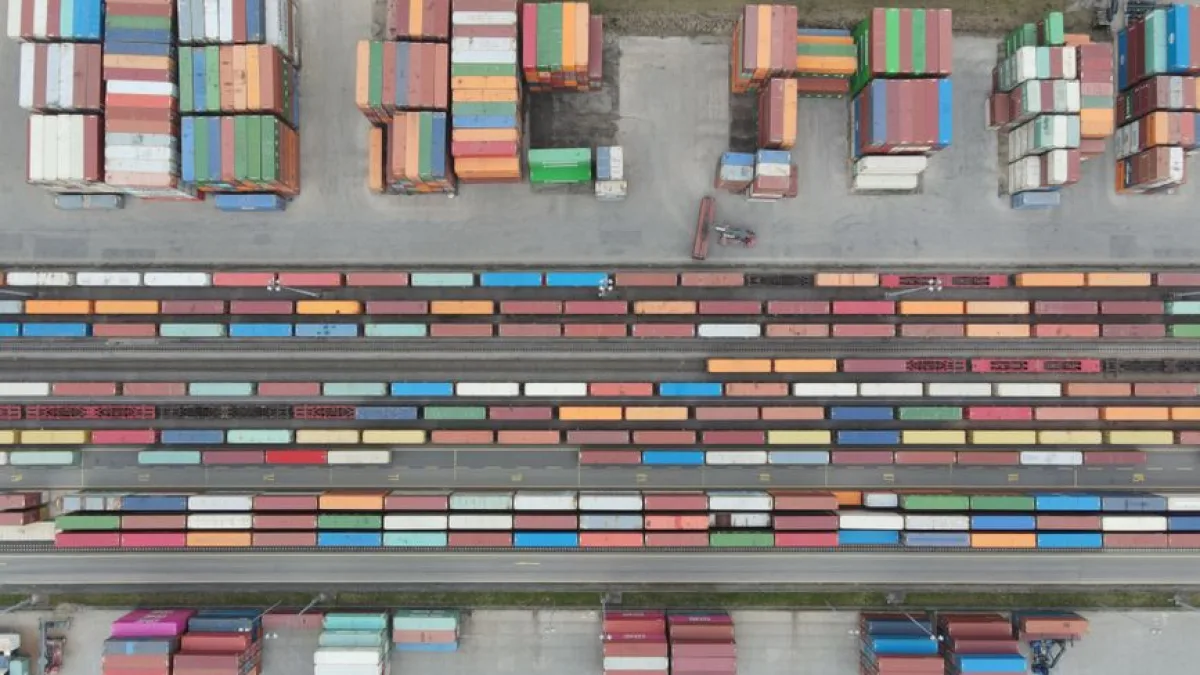
The backbone of modern logistics lies in the ability to connect disparate software platforms through robust application programming interfaces. These connections allow different systems to communicate in real time, ensuring that data flows from booking through to final delivery without any manual input.
- Automated Data Syncing: Real time data transmission between carrier systems and internal software ensures that shipment updates are reflected instantly, eliminating the need for constant manual refreshing and phone updates.
- Carrier System Integration: Direct links to global carrier portals simplify the retrieval of tracking statuses, schedules, and capacity information, which helps forwarders provide accurate and timely updates to clients.
- Reduced Manual Entry: Eliminating repetitive data entry tasks allows your operations staff to focus on strategic planning and customer service rather than struggling with basic spreadsheet maintenance and records.
- Enhanced Data Accuracy: Automated information exchange prevents common transcription errors that occur during manual typing, which helps maintain higher levels of data integrity across all your freight forwarding documents.
Adopting API-driven connectivity transforms how your team interacts with day to day logistics data. By removing the friction associated with data silos, you gain a clearer picture of your operational status. This shift not only accelerates the booking process but also enhances the overall quality of reporting provided to your stakeholders, fostering a more reliable and professional reputation within the shipping industry.
Real-Time Tracking Capabilities

Visibility is the single most requested feature from shippers who demand constant updates on their cargo locations. Integrated tracking solutions provide a unified dashboard where every shipment can be monitored from departure to arrival without relying on third party portals.
- Proactive Milestone Alerts: Configurable notifications trigger automatically when a shipment reaches a specific checkpoint, keeping both internal teams and end customers informed about progress throughout the transit journey.
- Exceptions Management Workflow: Automated alerts regarding delays or route deviations empower forwarders to address potential disruptions before they escalate, providing a proactive service model that clients truly appreciate today.
- Client Portal Access: Providing customers with secure login access to their own shipment data reduces the volume of status inquiry emails, allowing your team to focus on resolving exceptions.
- Global Map Visualization: Interactive visual tools display the physical location of assets globally, which adds a layer of depth to your reporting and improves internal resource allocation planning.
Implementing a comprehensive tracking system changes the narrative between forwarders and their clients. Instead of reacting to complaints about lost or late cargo, your team manages by exception. This level of transparency builds long term trust with your partners, ensuring they feel secure in your ability to manage their supply chain while you simultaneously reduce your administrative overhead.
Automated Financial Workflows

Financial reconciliation often represents the most time consuming aspect of freight management. Integrating your cargo software with accounting platforms ensures that invoices, cost accruals, and payments are handled with precision, drastically reducing the time spent on monthly bookkeeping and closing.
- Automated Invoice Generation: Once a shipment is marked as delivered, the system automatically generates accurate invoices based on pre-set rates, significantly speeding up the billing cycle and improving cash flow.
- Cost Accrual Accuracy: Real time mapping of vendor costs against client invoices ensures that margins remain protected and no potential revenue is lost during the complex billing process of shipping.
- Payment Reconciliation Tools: Automated matching of bank deposits against outstanding invoices simplifies the accounts receivable process, making it easier to identify and resolve discrepancies in a timely manner.
- Currency Conversion Automation: Integrated systems handle multiple currencies automatically, ensuring that international billing remains accurate despite fluctuations in global exchange rates or localized surcharge adjustments during the year.
Streamlined financial processes do more than just save time; they provide your leadership team with accurate insights into profitability. When your accounting is tied directly to your operations, you can identify which routes or customers provide the best value. This analytical depth allows for smarter business decisions and helps you manage your company growth with absolute confidence and clarity.
Future-Proofing Through Scalability

Technology evolves rapidly, and your software platform must be capable of growing alongside your business. A scalable, integrated system allows you to add new features, plug into emerging platforms, and support a higher volume of shipments without needing to overhaul your entire infrastructure.
- Modular Software Expansion: A cloud-based architecture lets you enable specific modules as your business needs evolve, ensuring that you never pay for functionality that you do not currently require.
- Cloud System Updates: Automatic software updates ensure that your platform is always compliant with the latest industry regulations and security standards, minimizing the need for manual IT maintenance.
- API Ecosystem Access: Joining a broader ecosystem of logistics partners allows you to swap integrations easily as your vendor base expands, keeping your operations flexible and highly competitive.
- Advanced Analytics Reporting: Scalable platforms offer deep insights into performance trends over time, providing the data needed to refine your service offerings and target new market segments effectively.
Investing in scalable technology is an investment in your company long term sustainability. By choosing a system that grows with your team, you avoid the high costs and operational disruptions associated with platform migration. This stability allows you to focus on innovation and expansion, knowing your digital infrastructure can support your ambition regardless of how the global logistics market changes.
Conclusion

Digital transformation remains the key to thriving in the modern logistics sector. By prioritizing integration across your operations, tracking, and finance workflows, you create a more efficient and responsive freight forwarding business. Start optimizing your digital ecosystem today to gain better visibility, higher margins, and improved customer satisfaction. The right technology platform is your partner in achieving long term operational excellence.