Optimizing Freight Operations Through Digital Integration
Thursday, July 30 2026

Modern logistics environments demand seamless data flows to maintain competitiveness in a volatile global market. Freight forwarders often struggle with fragmented legacy systems that impede visibility and operational speed. By adopting a cloud-based architecture, companies can unify their supply chain processes and eliminate manual data entry errors that currently plague the industry. The transition toward digital infrastructure is no longer just a luxury but a fundamental necessity for scaling operations and improving customer satisfaction. Leveraging sophisticated technology platforms allows forwarders to centralize documentation, automate tracking updates, and provide real-time reporting to clients, ultimately fostering stronger partnerships and sustainable growth within the international transport sector.
Centralized Data Management

Centralizing your shipment data within a single cloud platform eliminates the chaos of disjointed emails and spreadsheets. This foundation allows teams to access critical documents instantly, ensuring that every stakeholder remains synchronized throughout the entire lifecycle of a complex international shipment process.
- Improved data accuracy: Automated validation processes ensure that all shipping information is error-free before reaching customs authorities, which significantly reduces the risk of costly administrative delays during the border crossing.
- Unified client portal: Providing your customers with a secure dashboard allows them to track their cargo and access invoices without needing to contact your operations team for constant updates.
- Document version control: Cloud platforms maintain a clear history of every modification made to essential shipping documents, ensuring that all parties always reference the most current and verified version.
- Scalable storage capacity: Digital repositories expand effortlessly as your business grows, allowing you to archive historical shipment data securely without needing expensive onsite hardware or physical document filing systems.
Adopting a centralized approach transforms how your firm handles information from start to finish. When staff members spend less time hunting for files, they can dedicate their energy to proactive problem solving and client relationship management. This shift creates a leaner operation that responds faster to market changes, providing you with a distinct competitive advantage over firms that still rely on outdated manual methods.
Automated Carrier Communication
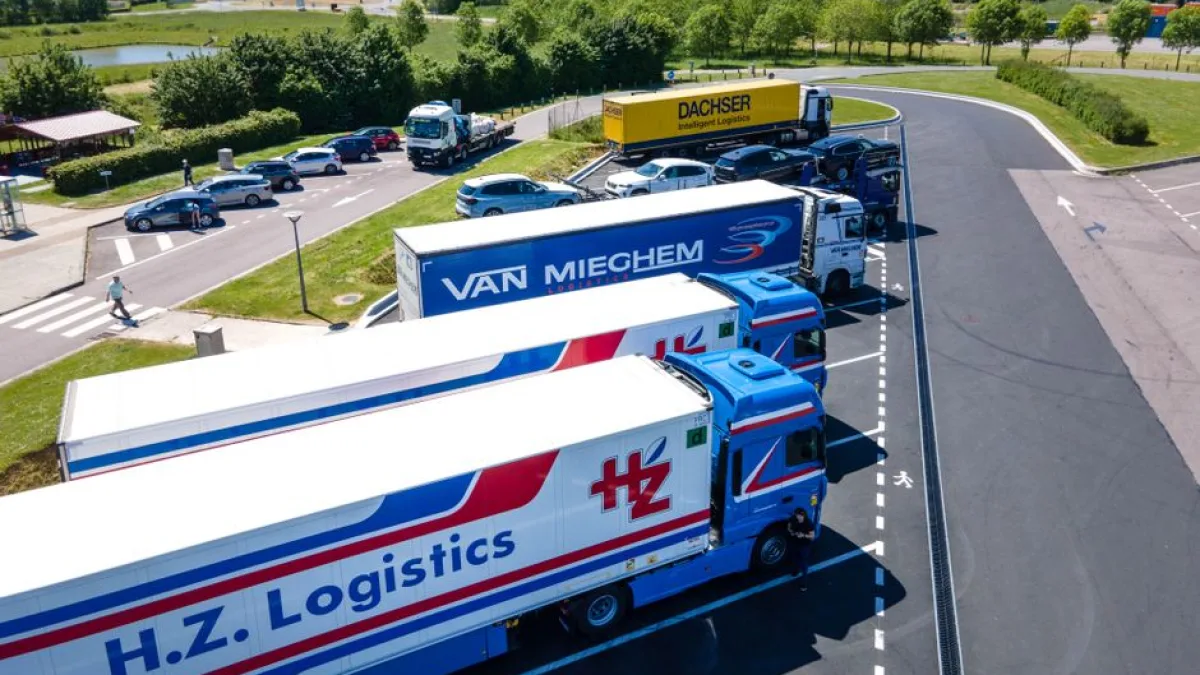
Automating interactions with carriers significantly reduces the administrative burden on your dispatch team while increasing overall shipment velocity. By integrating directly with carrier APIs, your system receives automated status updates, removing the need for manual monitoring and follow-up phone calls.
- Real-time status updates: Automatic notifications trigger as soon as a shipment reaches a new milestone, keeping both your internal team and your end customers fully informed of progress.
- Instant rate quoting: Automated connections to carrier pricing databases allow your team to generate accurate quotes for clients in seconds rather than hours of waiting for manual emails.
- Simplified booking workflows: Integrated systems allow you to submit booking requests directly to ocean or air carriers, minimizing human error and accelerating the confirmation cycle for your shipments.
- Electronic data interchange: Utilizing standardized messaging protocols allows your system to speak the same language as global carriers, ensuring smooth transmission of electronic manifests and essential shipping documentation.
Integration with carrier networks is the key to achieving true end-to-end visibility. When your software communicates directly with shipping lines and airlines, you gain an accurate picture of cargo status at every waypoint. This transparency builds deep trust with your clients, as they no longer need to guess about delays or arrival times, knowing that your data is perfectly reliable.
Financial Process Automation

Automating financial workflows is vital for maintaining healthy cash flow in the fast-paced freight forwarding industry. Linking your logistics software directly with accounting modules ensures that invoices are generated instantly upon proof of delivery, which accelerates your accounts receivable cycle significantly.
- Seamless invoice generation: Automatic creation of professional invoices based on pre-defined contract rates reduces billing cycles and minimizes discrepancies between quoted prices and the final invoiced shipment charges.
- Integrated payment gateways: Providing your clients with multiple digital payment options directly inside the portal encourages faster settlement of outstanding balances while simplifying your internal reconciliation efforts.
- Customizable margin tracking: Real-time analysis tools allow you to monitor profitability on every individual shipment, ensuring that you maintain healthy margins despite fluctuating bunker and port surcharges.
- Tax compliance features: Built-in regional tax logic ensures that every financial document adheres to local regulations, preventing common errors that often arise when managing cross-border transactions manually.
Transforming your financial operations from manual entry to automated workflows drastically reduces the time spent on administrative overhead. By ensuring that billing happens accurately and on time, your business can maintain steady growth without the constant stress of chasing unpaid invoices. This technological upgrade provides the financial clarity required to make strategic decisions that push your company forward in a competitive landscape.
Advanced Reporting Capabilities

High-level analytics provide the intelligence needed to optimize your business strategy and identify hidden inefficiencies in your supply chain. By utilizing interactive dashboards, you can visualize key performance indicators and share actionable insights with your management team and key account stakeholders.
- Custom performance dashboards: Track specific metrics like transit times and carrier performance to identify bottlenecks and make data-driven decisions that improve your overall operational efficiency and service quality.
- Trend forecasting tools: Analyze historical shipment data to predict future demand surges or potential seasonal challenges, allowing you to prepare resources before the peak season hits the market.
- Client health monitoring: Identify your top performing accounts and analyze the shipping volumes of various partners to focus your sales efforts where they will provide the most value.
- Automated report generation: Schedule regular performance summaries to be delivered automatically to your inbox, saving hours of manual data extraction and formatting while keeping your team consistently informed.
Data is the most valuable asset in modern freight forwarding when used correctly. By leveraging these reporting features, you can move away from reactive management and start planning for the future with confidence. Your ability to demonstrate clear value to your clients through detailed performance reports will help you secure long-term contracts and establish your firm as a leader in innovation.
Conclusion

Embracing digital integration is essential for any freight forwarder aiming to thrive in the modern era. By automating communication, centralizing data, and refining financial processes, you build a resilient foundation for long-term growth. Start your digital transformation journey today to streamline your operations, reduce overhead costs, and deliver the exceptional service that your clients expect in today's demanding and fast-paced global logistics market.