Optimizing Freight Operations Through Digital Integration
Sunday, August 9 2026
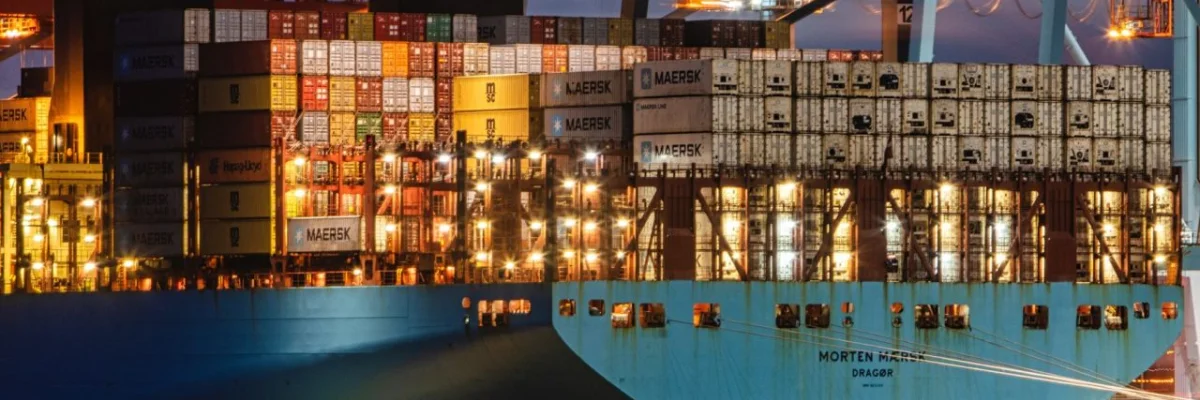
Modern freight forwarding is undergoing a profound transformation driven by rapid technological adoption and the shift toward fully digitized supply chain ecosystems. As market volatility becomes the new normal, forwarders must move beyond legacy manual processes to maintain a competitive edge. By integrating cloud-based software platforms with existing carrier and customs systems, logistics providers can unlock unprecedented levels of transparency and efficiency. This article explores how strategic technology implementation empowers freight professionals to automate repetitive tasks, reduce human error, and deliver superior customer service experiences that align with the growing demands of today global importers and exporters.
The Power of Automation

Automation serves as the backbone of modern logistics by replacing manual data entry with intelligent digital workflows. By automating repetitive tasks, freight forwarders minimize the risks associated with human error, allowing staff to focus on high-value logistics strategy and complex problem solving instead.
- Eliminate manual entry: Digital platforms sync directly with carrier systems to extract shipment data automatically, ensuring that documentation remains accurate while saving your team hours of tedious clerical work every day.
- Streamline documentation flow: Automated document generation tools create bills of lading and invoices instantly, reducing processing time and ensuring that every piece of paperwork meets international regulatory requirements with ease.
- Reduce operational friction: Intelligent workflow automation routes tasks to the right team members immediately, preventing bottlenecks that often delay shipments and cause frustration for your clients across the supply chain.
- Increase data accuracy: By removing the manual touchpoints in your data pipeline, you ensure that every manifest and customs declaration is precise, compliant, and ready for fast approval from authorities.
Adopting automation is no longer a luxury but a necessity for forwarders looking to scale their operations. By implementing these digital tools, companies can handle larger volumes of cargo without increasing their headcount. This efficiency gain translates directly to improved bottom lines and more reliable service, positioning your business as a preferred partner for shippers seeking consistent and scalable international logistics solutions.
Real-Time Visibility Solutions
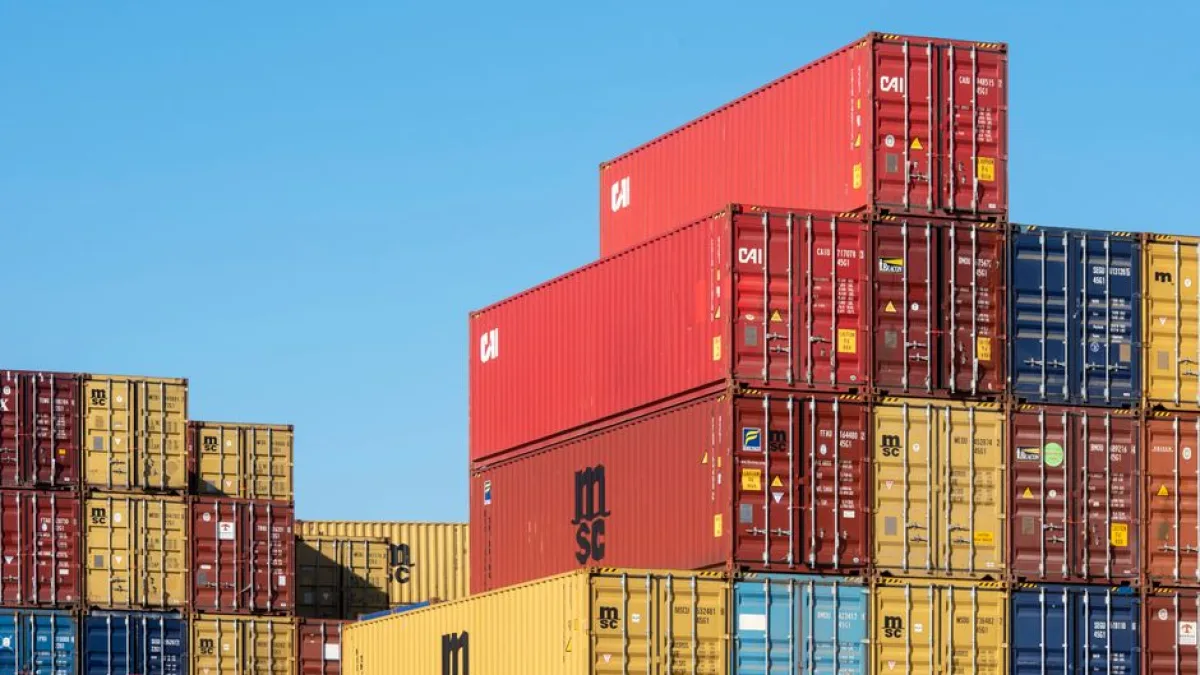
Visibility is the currency of modern logistics, providing stakeholders with actionable insights into cargo status. Cloud-based platforms offer real-time tracking capabilities that replace ambiguous status updates with precise, GPS-driven data that enhances trust and improves coordination between all involved parties.
- Live shipment tracking: Gain instant access to the precise location of cargo across any global trade lane, allowing you to provide your clients with proactive updates regarding transit times.
- Proactive anomaly alerts: Smart systems monitor transit progress and trigger automatic alerts if shipments face unexpected delays, enabling your team to resolve issues before they escalate into major disruptions.
- Centralized data access: Consolidate information from ocean, air, and road carriers into a single user interface, giving your team a holistic view of the entire global transport network.
- Enhanced client portals: Provide your customers with a self-service dashboard where they can track shipments 24/7, reducing the number of manual inquiries your support team needs to handle.
True visibility goes beyond simple tracking by giving you the tools to manage exceptions effectively. When forwarders share live data with their customers, it strengthens business relationships and reduces anxiety during transit. By leveraging these visibility tools, you transform your logistics service from a back-end utility into a strategic asset that keeps your clients informed and satisfied throughout the entire shipping journey.
Seamless API Integration

API technology bridges the gap between disconnected software systems, creating a unified digital environment. By connecting your freight management software with carrier portals and customs databases, you create an agile, responsive infrastructure that adapts quickly to changing market requirements.
- Unified software ecosystem: Connect your existing ERP and accounting systems directly to your freight platform to ensure financial data and logistical information remain perfectly synchronized across your organization.
- Carrier system connectivity: Direct API connections with major ocean and air carriers allow for instant booking and rate retrieval, removing the need to toggle between different vendor websites.
- Customs compliance links: Sync your shipment files with customs declaration systems to ensure that all tariff codes and tax information are processed without missing critical regulatory data points.
- Developer-friendly tools: High-quality API documentation makes it simple for your internal IT teams to build custom integrations that serve the unique operational needs of your business.
Integrating your tech stack via APIs is the ultimate way to eliminate information silos. When data flows freely between platforms, you reduce the time wasted on searching for missing files or correcting mismatched records. This level of connectivity allows your team to move with greater speed and precision, ensuring that your company remains at the forefront of digital logistics innovation in a competitive market.
Data-Driven Decision Making

Analytics tools provide the empirical foundation required for strategic decision making. By analyzing historical shipment data, freight forwarders can identify trends, optimize shipping routes, and negotiate better rates, ultimately improving profitability while providing more accurate capacity forecasting for their global clients.
- Analyze shipping performance: Track key performance indicators like transit times and carrier reliability to determine which vendors consistently provide the best value for your specific shipping requirements.
- Optimize cost structures: Visualize spend patterns across different lanes to identify opportunities for consolidation or route adjustments that can lead to significant cost savings for your organization.
- Predict future capacity: Utilize historical volume data to forecast seasonal shipping needs, allowing you to secure space in advance and avoid the volatility of the spot market.
- Detailed reporting tools: Generate custom reports for your management team or clients, highlighting key logistics trends that support better operational planning and long-term business strategy development.
Turning raw data into intelligence is the most effective way to improve your forwarder business model. When decisions are backed by hard numbers, you minimize risk and increase confidence during client negotiations. Continuous data analysis ensures your company evolves alongside the market, helping you identify new opportunities for growth while maintaining a lean, efficient operation that maximizes revenue for every handled shipment.
Conclusion

Digital transformation through integrated software is essential for freight forwarders aiming to thrive. By focusing on automation, visibility, connectivity, and analytics, you can elevate your services to meet modern expectations. Embracing these technologies allows your team to work smarter, reduce operational costs, and foster stronger client loyalty. Start evaluating your current tech stack today to ensure your company remains ahead of the competition.