Optimizing Freight Operations Through Digital Integration
Monday, August 10 2026
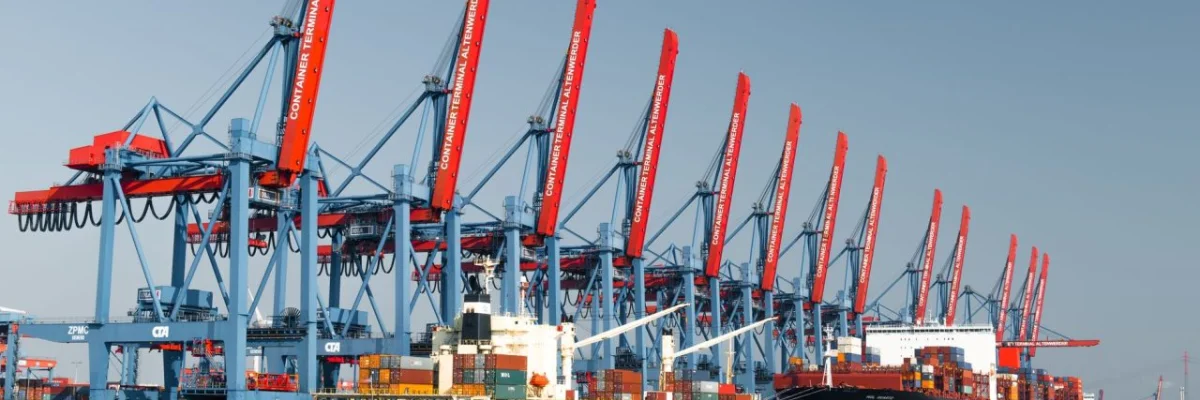
Modern freight forwarding is undergoing a radical shift as traditional manual workflows yield to sophisticated cloud-based solutions. As global supply chains grow increasingly complex, the ability to centralize data becomes the primary competitive advantage for logistics providers. Integrating diverse digital platforms allows companies to eliminate information silos, reduce administrative overhead, and provide real-time visibility to customers. By leveraging a centralized software architecture, forwarders can ensure that every shipment lifecycle event is accurately captured and actionable. This digital transformation is no longer a luxury but a fundamental necessity for firms aiming to scale their operations while maintaining high service standards in an volatile market.
Centralized Data Architecture

Building a robust data core serves as the foundation for modern forwarding operations. By consolidating shipment data into a single source of truth, teams can effectively coordinate movements across multiple modes of transport while maintaining absolute consistency for their global client base.
- Enhanced Data Visibility: Centralized platforms provide a holistic view of all active shipments, ensuring that managers can track cargo status updates across different regions without checking multiple legacy systems.
- Reduced Manual Entry: Automating the transfer of data between stakeholders minimizes the risk of human error and frees staff to focus on high-value tasks instead of tedious administrative chores.
- Real-time Reporting: Instant access to live analytics enables leadership teams to make data-driven decisions that improve profitability and help maintain high service levels during unpredictable market shifts.
- Better Team Collaboration: Unified digital workspaces encourage inter-departmental communication by ensuring that customs brokers, warehouse staff, and account managers always see the same documentation in real time.
Transitioning to a unified architecture changes how your team approaches daily hurdles. By removing the need to reconcile discrepancies between disconnected spreadsheets, staff can dedicate their energy to proactive problem solving. This shift fosters a culture of reliability, enabling your company to handle higher volumes with increased accuracy and speed. Ultimately, your clients will benefit from superior transparency that builds lasting business trust.
Automated Workflow Management

Efficiency gains within your organization often stem from automating repetitive administrative tasks. By streamlining documentation and approval chains through digital integration, forwarders can significantly decrease cycle times while boosting the overall output of their dedicated operational staff members every day.
- Automated Document Processing: Intelligent software can parse incoming emails and extract key details, automatically populating your system with precise information without requiring human intervention or manual data entry efforts.
- Dynamic Milestone Triggers: Custom alerts notify relevant stakeholders automatically whenever a shipment status changes, ensuring that all partners remain informed throughout the complex global transit process without effort.
- Streamlined Compliance Checks: Integrated systems run automated checks against global trade databases, flagging potential regulatory issues early to prevent delays during customs clearance or port authority document audits.
- Efficient Task Routing: Smart workflows distribute workload based on current capacity, ensuring that tasks are assigned to the right agents for maximum productivity and faster shipment turnaround times.
When you remove bottlenecks from your daily workflow, your operational capacity expands without needing to add extra headcount. Automation serves as a force multiplier that standardizes your services across different offices and international borders. By letting software handle repetitive validation and notification tasks, your senior staff can focus on managing complex exceptions and strengthening those critical relationships that drive repeat business success.
Third Party Platform Connectivity

Seamless connectivity with third party platforms is essential for a fluid global supply chain. By integrating your forwarding software with carrier APIs and customs systems, you create a seamless data bridge that keeps your operations running efficiently across multiple borders.
- Carrier API Integration: Direct connections to major shipping lines and airlines allow your platform to receive instant status updates and booking confirmations without leaving your core software interface.
- Customs Agency Links: Direct electronic data interchange with customs authorities ensures that filing documentation is fast, accurate, and fully compliant with local regulations in various international jurisdictions worldwide.
- Warehouse Management Sync: Connecting to inventory and warehouse software provides complete oversight of goods as they move from container vessels into storage facilities and final delivery transport trucks.
- Financial System Synergy: Automated syncing between freight systems and accounting platforms ensures that invoices are generated immediately upon shipment delivery, drastically shortening the order-to-cash cycle for firms.
Connectivity turns isolated systems into a powerful ecosystem that works in harmony to benefit the end user. When your forwarding platform communicates directly with carriers and warehouses, you gain unprecedented control over the physical movement of cargo. This level of technical integration reduces the chance of miscommunication, speeds up processing times, and reinforces your reputation as a modern, reliable logistics partner in any market.
Scalable Infrastructure Growth
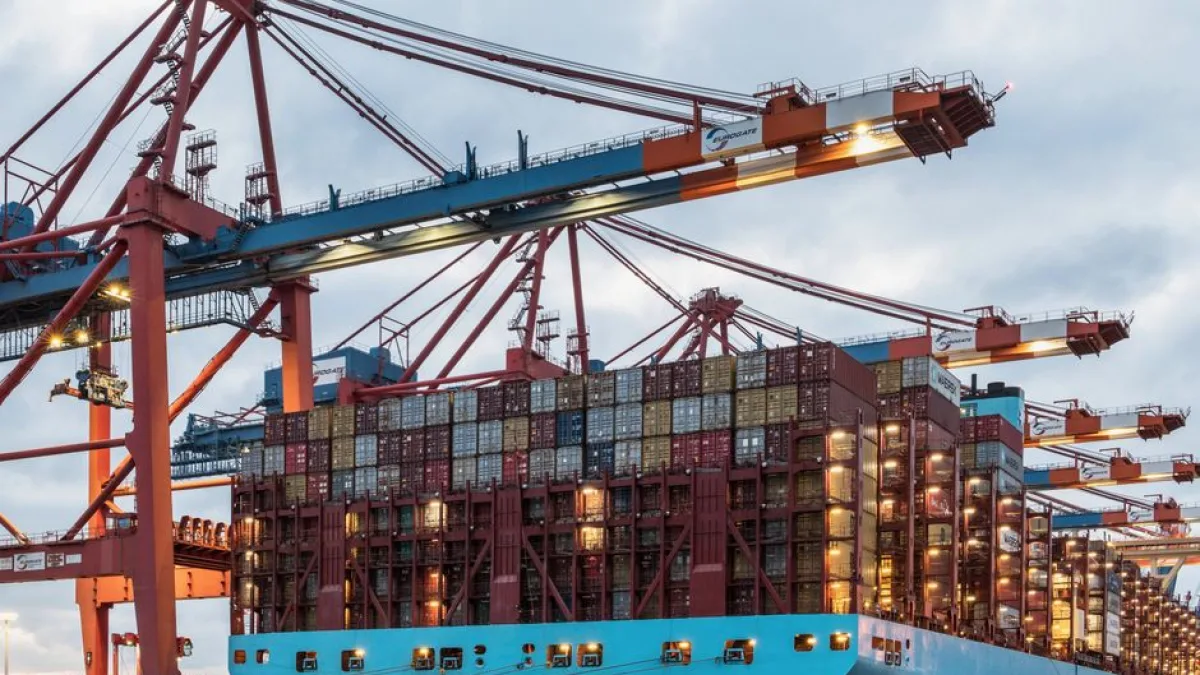
Scaling a freight forwarding business requires a technology stack that grows alongside your success. Cloud-based systems provide the agility needed to enter new markets, manage seasonal fluctuations, and expand your service offerings without the limitations of traditional, rigid legacy software infrastructure.
- Cloud Elasticity Benefits: Software environments that live in the cloud can automatically scale resources during peak seasons, ensuring system performance remains stable even when transaction volumes spike significantly.
- Remote Access Capability: Modern platforms allow teams to work from anywhere in the world, enabling your company to recruit global talent and provide 24/7 support for international clients.
- Rapid Onboarding Speed: Standardized cloud interfaces make it simple to train new hires and integrate satellite offices into your central workflow within just a few days of starting.
- Continuous Feature Updates: Software vendors regularly push updates to cloud platforms, meaning your team always has access to the latest features and security improvements without manual installation.
Investing in scalable infrastructure is a strategic choice for businesses looking to thrive in the long term. As your operations expand, the system will support your growth rather than acting as a drag on your performance. This flexibility allows your team to adapt to changing industry trends and customer demands quickly, ensuring that you maintain a competitive edge regardless of global economic changes.
Conclusion

Digital transformation through smart software integration remains the single most effective way to optimize freight forwarding performance. By centralizing data, automating workflows, and building strong connections with partners, you set your business apart from traditional competitors. Start evaluating your current technical stack today to identify areas where automation can reduce costs. Embrace cloud technology to future-proof your logistics operations and achieve sustainable success.