Optimizing Freight Operations Through Digital Integration
Saturday, August 15 2026
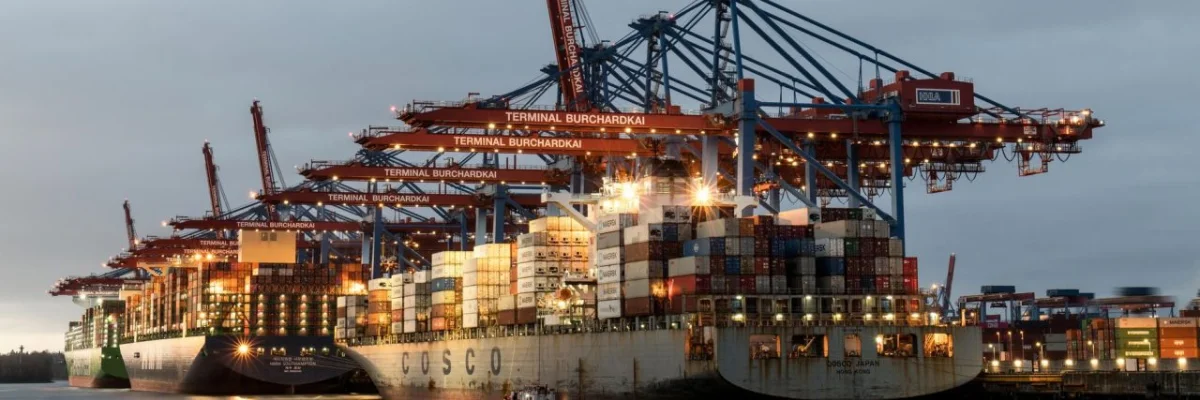
The modern logistics landscape is evolving at a breakneck speed, forcing freight forwarders to move beyond legacy systems that rely on manual data entry and fragmented communication. Today, success depends on the seamless flow of information across the entire supply chain. By adopting cloud-based platforms, forwarders can synchronize operations, reduce human error, and provide clients with the real-time visibility they demand. Integrating diverse digital tools not only boosts operational efficiency but also builds a resilient foundation for long-term growth in a competitive global market. Embracing this technological transition is the primary way to future-proof your logistics business against disruption.
Centralized Data Management

Centralizing your operational data allows your team to access critical shipment information from a single point of truth. This shift eliminates the risks associated with scattered spreadsheets and unorganized email threads that frequently lead to costly mistakes or missed deadlines.
- Unified data access: Consolidating all shipment details into one platform ensures that every department works with current information while eliminating redundant manual entry processes that drain your team resources.
- Automated status updates: Real-time synchronization between carriers and your internal software enables automatic status triggers that keep customers informed without requiring constant manual checks from your operations staff.
- Enhanced document security: Moving documentation to secure cloud environments prevents data loss and ensures that sensitive customs paperwork remains protected while staying accessible to authorized personnel at any time.
- Seamless team collaboration: When team members share a digital workspace, cross-departmental communication becomes faster and more precise, reducing the friction often found in legacy logistics office environments.
Adopting a centralized approach transforms how your team interacts with operational data. By removing silos, you ensure that every stakeholder has the visibility required to make informed decisions quickly. This level of clarity not only improves internal productivity but also enhances the professional image you project to your clients. Investing in a unified platform is the most effective strategy for scaling your freight forwarding operations successfully.
Automated Workflow Efficiency

Automating repetitive administrative tasks allows your staff to focus on higher value activities like client relationship management and strategic planning. Modern platforms use intelligent logic to handle mundane processes, ensuring accuracy while significantly increasing your daily operational throughput and capacity.
- Automated billing cycles: Integrated invoicing tools generate and send documents instantly once shipments reach defined milestones, significantly reducing the time spent on manual accounting and financial reconciliation processes.
- Instant carrier connectivity: Direct integrations with major ocean and air carriers allow your platform to fetch schedules and rates automatically, saving your team hours of manual research work.
- Proactive anomaly alerts: Smart software identifies potential delays or discrepancies in documentation automatically, providing your team with early warnings to mitigate risks before they impact your clients.
- Digital booking flows: Streamlined booking modules allow your team to confirm shipments within seconds, replacing lengthy email exchanges with clear, standardized digital request forms for every transaction.
Workflow automation serves as a powerful engine for your business, driving speed and accuracy across every logistics milestone. By delegating routine clerical work to your software, you empower your employees to address complex supply chain challenges that require critical thinking. This transition creates a more responsive organization capable of handling larger volumes without increasing headcount, providing a massive advantage in modern logistics.
Customer Visibility Portals

Providing clients with direct visibility into their shipment lifecycle is no longer a luxury but a fundamental necessity. Customer portals allow your clients to track cargo independently, reducing their need to contact your team for basic status updates and queries.
- Self-service tracking access: Clients can log into a secure portal at their convenience to view the current status of their cargo, which drastically lowers the volume of status-related inquiries.
- Document download availability: Allowing customers to retrieve their own bills of lading and commercial invoices through a portal saves your team significant time spent on manual file sharing.
- Interactive analytics dashboards: Visual reporting tools give your customers deep insights into their logistics performance, helping them optimize their own supply chain strategies based on your provided data.
- Custom notification settings: Users can configure their own alert preferences, ensuring they receive updates for the shipments that matter most to their operations without cluttering their inbox daily.
Giving your customers control over their data builds deeper trust and fosters long-term loyalty in a crowded industry. When clients can resolve their own queries through your portal, your team is freed from repetitive answering, allowing them to focus on proactive support and account management. This digital empowerment creates a better user experience that differentiates your forwarding brand from competitors still using manual communication.
API-Driven System Integration
API connectivity is the backbone of modern software ecosystems, allowing your platform to talk to external tools like accounting software and customs authorities. This interoperability ensures that your data remains fluid and accurate across your entire digital enterprise infrastructure.
- Seamless accounting sync: Connecting your freight software directly with your financial systems ensures that every shipment creates an immediate accounting entry, eliminating errors caused by manual data re-entry.
- Customized external connectivity: Robust APIs enable your business to build bespoke connections with client enterprise systems, creating a tight integration that makes it difficult for them to leave.
- Real-time rate procurement: APIs allow your system to pull live market rates from multiple sources simultaneously, ensuring your quotes are always competitive based on the latest industry pricing.
- Third-party tool compatibility: Compatibility with industry standard tools ensures your operations remain flexible, allowing you to add new features or service providers without overhauling your core software setup.
Harnessing the power of APIs transforms your platform into a central command center. By linking your internal systems with external partners, you create a sophisticated data network that eliminates manual bottlenecks. This approach ensures your business remains adaptable to future changes in technology or market demands. Investing in API-first architecture provides the agility your company needs to remain a market leader today.
Conclusion

Modernizing your logistics operations through smart technology is the most effective way to drive growth and remain competitive in today's fast-paced environment. By focusing on integration, automation, and transparency, freight forwarders can build stronger relationships while optimizing their internal efficiency. Explore our cloud solutions at MakeCargo to see how we can help your team transition to a fully connected and digitally powered future today.