Optimizing Freight Operations Through Digital Integration
Sunday, August 16 2026
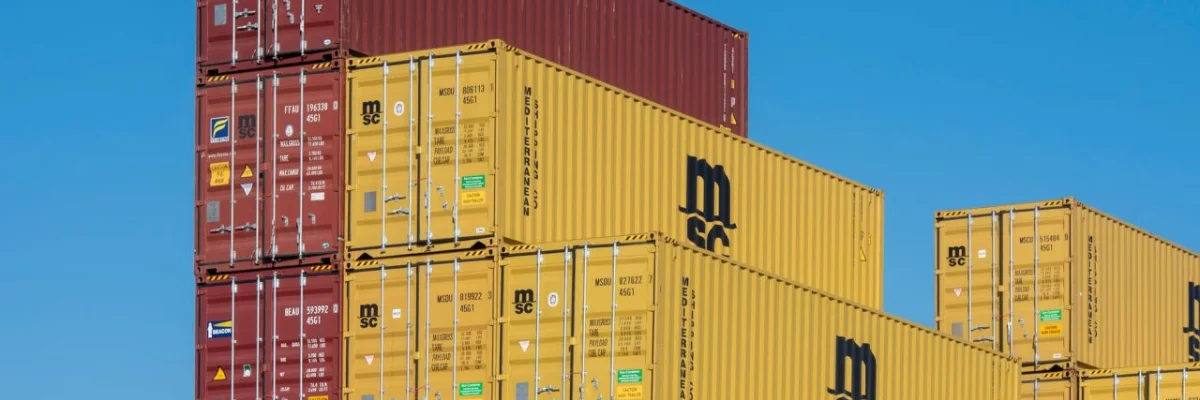
The global logistics landscape is undergoing a massive transformation driven by the rapid adoption of cloud-based platforms. For freight forwarders, the challenge lies in moving away from fragmented legacy systems that impede visibility and operational efficiency. By leveraging modern technology stacks, companies can create a unified ecosystem that connects every stakeholder in the supply chain. This shift not only accelerates documentation processes but also ensures that critical data is accessible in real time. Adopting these advanced tools is no longer a competitive advantage but a necessity for surviving the complexities of today's fast-paced international shipping environment.
API-Driven Connectivity

Seamless connectivity acts as the backbone of modern freight forwarding, enabling disparate systems to communicate effortlessly. By utilizing standardized API integrations, forwarders can break down information silos and facilitate the exchange of logistics data across global partners and carriers.
- Real-time data synchronization: Our platform ensures that shipment updates flow directly from carriers into your management system without manual entry, reducing human error and saving significant time for your operations teams.
- Automated status updates: Automatic notifications keep your customers informed about their cargo location at every milestone, enhancing trust and providing a transparent experience that distinguishes your agency from the competition.
- Seamless carrier communication: Integrating directly with shipping lines allows for instant booking requests and schedule changes, removing the need for endless email threads and slow portal navigation during peak seasons.
- Enhanced partner collaboration: Digital handshake protocols between your office and overseas agents ensure that documentation and customs data are perfectly aligned, preventing costly delays at ports of entry worldwide.
Prioritizing connectivity allows your business to scale operations without increasing the burden on your administrative staff. When systems talk to each other, your team spends less time hunting for information and more time solving complex logistical problems for your clients. This technological foundation supports a leaner operating model that remains resilient even during periods of extreme market volatility and sudden shipping route disruptions.
Automating Documentation Flows

Manual document handling is often the biggest bottleneck in freight forwarding, consuming valuable hours that should be spent on growth. Automation allows forwarders to process bills of lading, invoices, and customs forms with unprecedented speed and accuracy.
- Smart data extraction: Intelligent scanning tools pull key information from digital invoices and packing lists, populating your system records automatically to minimize the risk of typing mistakes or missing details.
- Dynamic document generation: Generate standard shipping documents instantly using pre-configured templates that pull data directly from your shipment files, ensuring consistency and compliance with international trade regulatory standards worldwide.
- Version control mastery: Centralizing your documentation in a secure cloud environment means every team member works from the most current file, eliminating confusion caused by outdated attachments or duplicate records.
- Compliance validation checks: Automated systems verify that all mandatory fields are filled correctly before submission, helping you avoid fines and customs holds associated with incorrect or incomplete shipping information.
Shifting to automated workflows transforms your back-office into a powerhouse of efficiency. By removing the repetitive, manual tasks that traditionally slow down shipping operations, you empower your staff to focus on higher-value activities. This digital approach ensures that every transaction is documented accurately, providing a clear audit trail that supports your business through every stage of the shipment lifecycle.
Real-Time Visibility Tools

Modern clients demand full transparency regarding their cargo, making real-time visibility an essential service feature. Leveraging cloud software, forwarders can offer live tracking and predictive analytics that keep customers updated throughout the entire transport journey from door to door.
- Live GPS tracking: Provide your clients with accurate map views of their shipments, using live data feeds that monitor progress across ocean, air, and ground transport modes in real time.
- Predictive delay alerts: Advanced algorithms analyze external factors like port congestion or weather patterns, notifying you and your clients of potential delays before they impact the final delivery timeline.
- Centralized client portals: Give your customers secure, 24-7 access to their own shipment data and documentation, significantly reducing the volume of inbound status inquiries handled by your customer service department.
- Actionable performance insights: Monitor transit times and carrier reliability metrics over time to make informed decisions about your service providers, ensuring you always choose the most effective routes for freight.
Visibility is the foundation of superior customer satisfaction in the modern era. When your clients feel informed, their confidence in your agency grows, leading to higher retention rates and increased referral business. By providing a clear window into their supply chain operations, you demonstrate value that goes far beyond simple shipping, positioning your firm as a strategic partner rather than a vendor.
Scalable Cloud Infrastructure

Cloud infrastructure provides the flexibility needed to handle fluctuating shipping volumes without the need for heavy physical hardware. This scalability ensures that your software suite remains robust and responsive regardless of how much your business grows in the future.
- Elastic resource allocation: Our platform dynamically adjusts server resources to handle peak load periods during high seasons, ensuring your software remains fast even when your shipment volume surges dramatically.
- Enhanced data security: Cloud-based hosting provides superior protection compared to local servers, utilizing enterprise-grade encryption and regular automated backups to ensure your sensitive business information stays safe and recoverable.
- Remote access flexibility: Cloud-based operations allow your team members to securely access the platform from anywhere in the world, facilitating hybrid work environments and global expansion of your branch offices.
- Continuous software updates: Benefit from the latest feature releases and security patches instantly, as our team manages all maintenance in the background without requiring any downtime for your operations.
Building your business on a scalable cloud foundation ensures you stay ahead of industry demands for years to come. You gain the agility to pivot quickly when the market changes while maintaining the security and performance your clients expect. This technology serves as a long-term asset that simplifies complex infrastructure management, allowing you to focus entirely on expanding your reach and revenue.
Conclusion

Implementing robust technology and integrations is the definitive path forward for freight forwarders aiming to thrive in a digital economy. By centralizing operations, automating manual tasks, and offering real-time transparency, your agency can achieve significant efficiency gains. Embrace these innovative tools today to streamline your workflows, satisfy your clients, and secure a sustainable competitive advantage in the complex world of international shipping.