Optimizing Freight Operations Through Digital Integration
Monday, August 24 2026
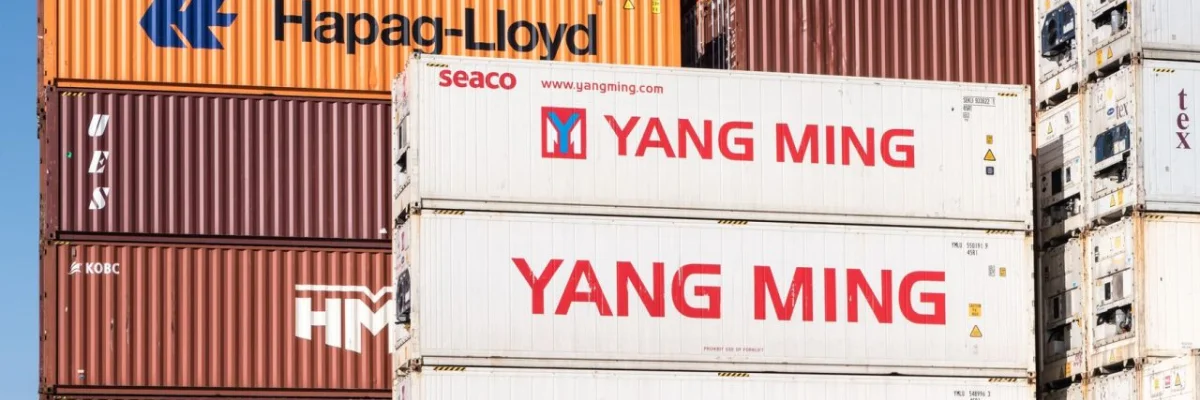
Modern freight forwarding is evolving at an unprecedented pace, shifting from manual spreadsheet management to sophisticated cloud-based ecosystems. As global supply chains grow increasingly complex, the ability to integrate disparate data points becomes a competitive necessity rather than a luxury. By leveraging MakeCargo, professionals can unify their operations, reduce manual entry errors, and gain real-time visibility across all logistics touchpoints. Embracing these digital workflows not only streamlines day to day administrative tasks but also empowers teams to make data driven decisions that significantly enhance client satisfaction and operational profitability in a highly volatile international shipping market.
Centralized Data Management

The foundation of modern logistics rests upon the ability to centralize fragmented data. By utilizing a unified cloud platform, freight forwarders can eliminate siloed information, ensuring that every stakeholder from the warehouse to the front office accesses the same accurate metrics.
- Improved Data Accuracy: Automating input processes minimizes the risk of human error associated with manual typing, leading to more reliable documentation and consistent billing cycles for all your valued global customers.
- Seamless Team Collaboration: Cloud platforms allow multiple departments to work simultaneously on a single shipment file, fostering better communication and reducing the latency that often delays critical supply chain movements.
- Real-time Information Access: Empower your logistics team with instant updates on shipment status, ensuring that you can respond to client inquiries immediately without searching through disconnected legacy storage systems.
- Scalable Storage Solutions: Easily manage growing volumes of data as your business expands, knowing that cloud-based architecture provides the flexibility to adjust storage and processing power to meet demands.
Consolidating your operational data provides a clear birds eye view of the entire organization. When teams no longer waste time searching for fragmented records, they can focus on high-value activities like relationship management and strategic expansion. This shift toward a single source of truth reduces friction in everyday processes, enabling your company to handle increased throughput while maintaining high service standards for every single client.
Automated Workflow Sequences
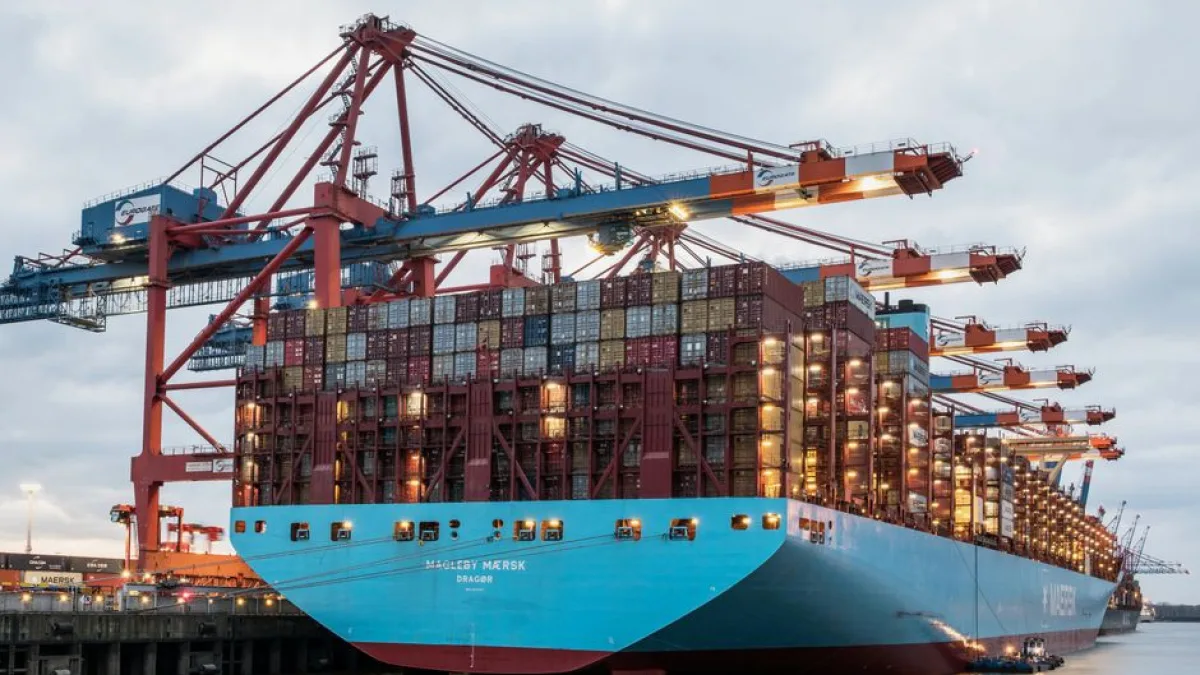
Automation is the heartbeat of efficiency in the freight industry. By configuring intelligent workflows, forwarders can trigger automated tasks that reduce administrative burdens and speed up the movement of goods through busy international ports and transit centers across the world.
- Dynamic Document Generation: Automate the creation of essential shipping documents including bills of lading and customs forms, ensuring that all paperwork remains compliant with international regulations and carrier requirements.
- Proactive Milestone Updates: Configure automated notifications to keep customers informed at every critical milestone, which builds deep trust and minimizes the need for frequent manual status check phone calls.
- Smart Routing Logic: Utilize advanced algorithms to suggest the most cost-effective and efficient transit routes based on real time carrier data, helping to lower fuel costs and delivery times.
- Integrated Billing Triggers: Automatically generate invoices as soon as specific operational milestones are reached, ensuring faster payments and healthier cash flow for your growing logistics enterprise today.
Implementing intelligent automation transforms the way your staff manages their daily workload. By removing repetitive manual tasks, employees can pivot toward complex problem solving and business development. This strategic shift not only improves morale but also ensures that your business can scale effectively without needing to increase headcount proportionally, resulting in a more agile organization that thrives in competitive global freight markets.
Enhanced Supply Chain Visibility
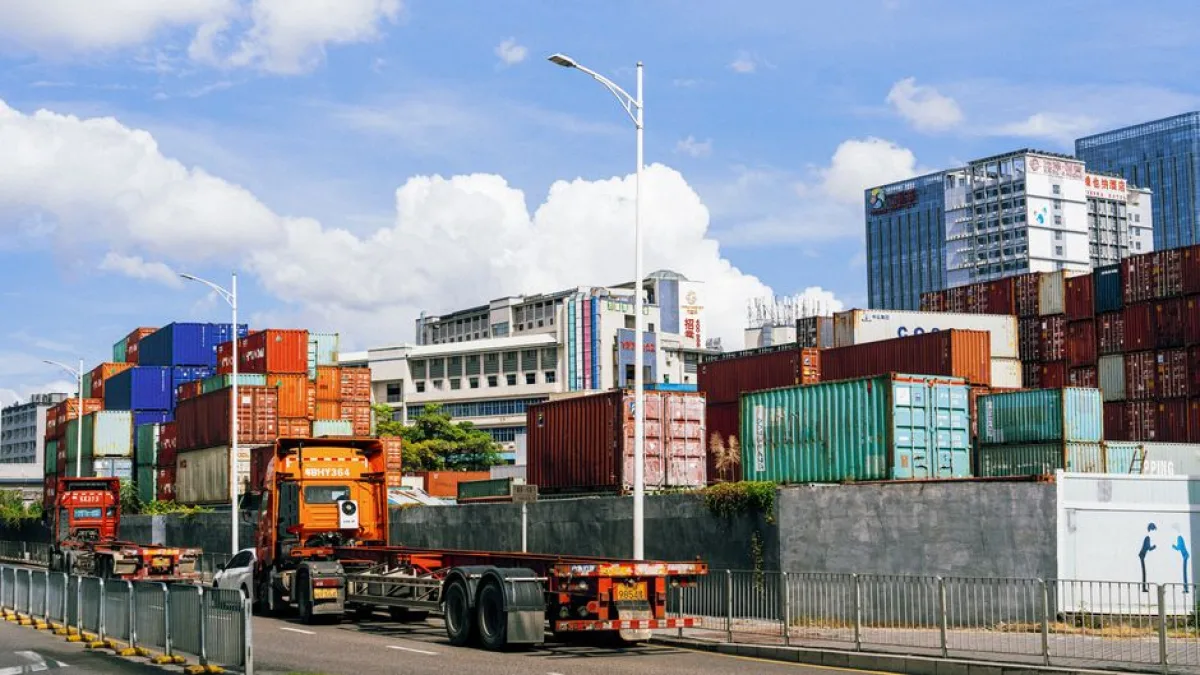
Visibility acts as the bridge between logistical planning and real world execution. By integrating live tracking tools, freight forwarders gain the ability to monitor cargo location and status, providing unparalleled transparency that is essential for modern high-pressure logistics management.
- Live Cargo Tracking: Gain precise insights into the exact location of goods in transit by integrating directly with carrier APIs to receive continuous status updates on every shipment.
- Exception Management Alerts: Receive instant notifications when a shipment faces unexpected delays, allowing your team to implement proactive contingency plans before a minor issue becomes a major problem.
- Partner API Integrations: Connect your software with local trucking companies and warehouse operators to maintain a continuous flow of data from the start to the final destination.
- Customized Performance Reports: Utilize visual dashboards to monitor carrier performance metrics, which helps your procurement team select the most reliable partners for future international freight shipping assignments.
Achieving total visibility provides your clients with the confidence they need in their supply chain partners. When you can pinpoint an issue before it impacts the delivery schedule, you turn potential complaints into opportunities for excellent service recovery. This level of transparency creates long-term loyalty and positions your brand as a technology-forward leader within the global logistics and transportation services industry.
Seamless Carrier Communication

Effective communication is the lubricant that keeps the complex gears of global shipping turning smoothly. By utilizing integrated messaging and documentation portals, forwarders can ensure that every partner in the logistics chain remains perfectly aligned on project requirements and timelines.
- Unified Messaging Hubs: Consolidate all communications regarding specific shipments within the platform to ensure that no critical detail is lost in private email threads or disparate messaging apps.
- Instant Document Sharing: Facilitate the rapid exchange of documents with international carriers and customs agents, drastically reducing the time spent waiting for paper-based approvals or physical document delivery.
- Collaborative Carrier Portals: Provide external carriers with secure access to specific file segments, allowing them to upload proof of delivery or status updates directly into your operating system.
- Audit Trail Integrity: Maintain a complete and chronological history of all communications related to each file, which is invaluable for internal quality audits and dispute resolution.
Optimizing how you communicate with external carriers simplifies the management of even the most complex global routes. By keeping every participant on the same digital page, you eliminate misunderstandings and ensure that every delivery moves through the supply chain with minimal delays. This cohesive approach to communication reduces administrative overhead and builds a network of reliable partners who value your professional efficiency.
Conclusion

Modernizing your freight operations through smart software integration is a critical step for growth. By centralizing data and automating workflows, you create a scalable foundation that supports excellence in service delivery. MakeCargo empowers you to focus on building strong client relationships while the technology handles the complex logistics coordination. Start your digital transformation today to maintain a lasting competitive advantage in the logistics sector.