Optimizing Freight Operations Through Digital Integration
Thursday, August 27 2026
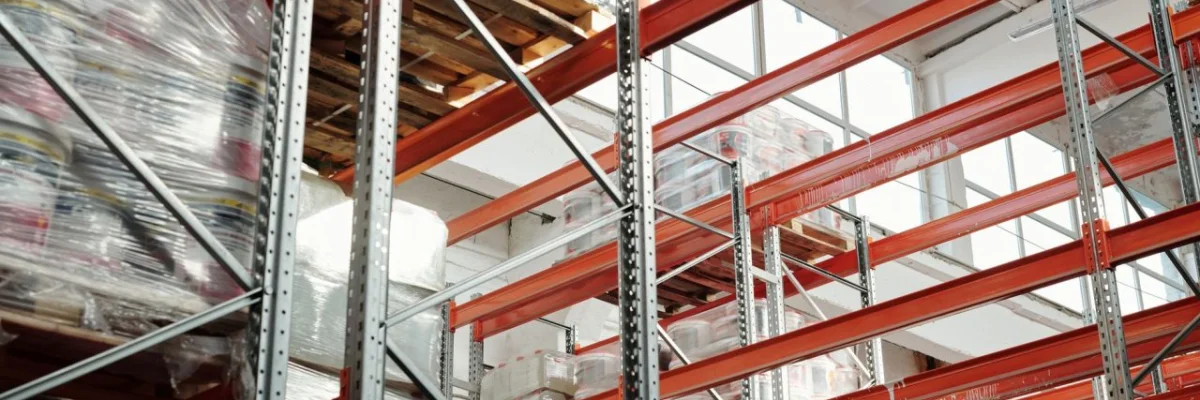
Modern logistics environments demand unprecedented levels of speed and transparency to remain competitive in a volatile global market. Freight forwarders often struggle with fragmented legacy systems that impede real-time data flow and create operational bottlenecks. By leveraging cloud-based platforms like MakeCargo, logistics providers can unify their workflows and bridge the gap between disparate stakeholders. Digital integration is no longer a luxury but a fundamental necessity for companies aiming to scale their services while maintaining high margins. This shift toward connected technology enables teams to move away from manual processing and toward a future defined by efficiency and intelligence.
Unified Data Architecture

Building a unified data architecture allows your business to consolidate information from multiple sources into a single, reliable source of truth. This centralized approach reduces manual errors and ensures that all team members access accurate, real-time shipment updates instantly.
- Automated Data Entry: Eliminating manual input tasks reduces human error significantly while freeing your staff to focus on higher value tasks that drive revenue and improve customer satisfaction across operations.
- Centralized Shipment Visibility: Accessing comprehensive shipment details in one dashboard ensures that every department works with the same information, which prevents communication breakdowns and speeds up complex problem solving.
- Seamless API Connectivity: Integrating with carrier systems directly facilitates real-time status updates, reducing the need for constant email follow-ups and phone calls to track urgent or time-sensitive cargo movements.
- Standardized Document Management: Storing all shipping documentation in a secure cloud environment simplifies compliance processes and makes auditing easier for your team during peak periods of high shipping activity.
A unified system serves as the backbone for scalable logistics growth. By integrating core operations into one platform, your team gains a holistic view of the supply chain. This transparency improves decision-making capabilities and allows you to respond to sudden market fluctuations with agility. Investing in a robust cloud architecture today prepares your company for the increasingly complex digital landscape that defines the future of freight.
Enhanced Partner Connectivity
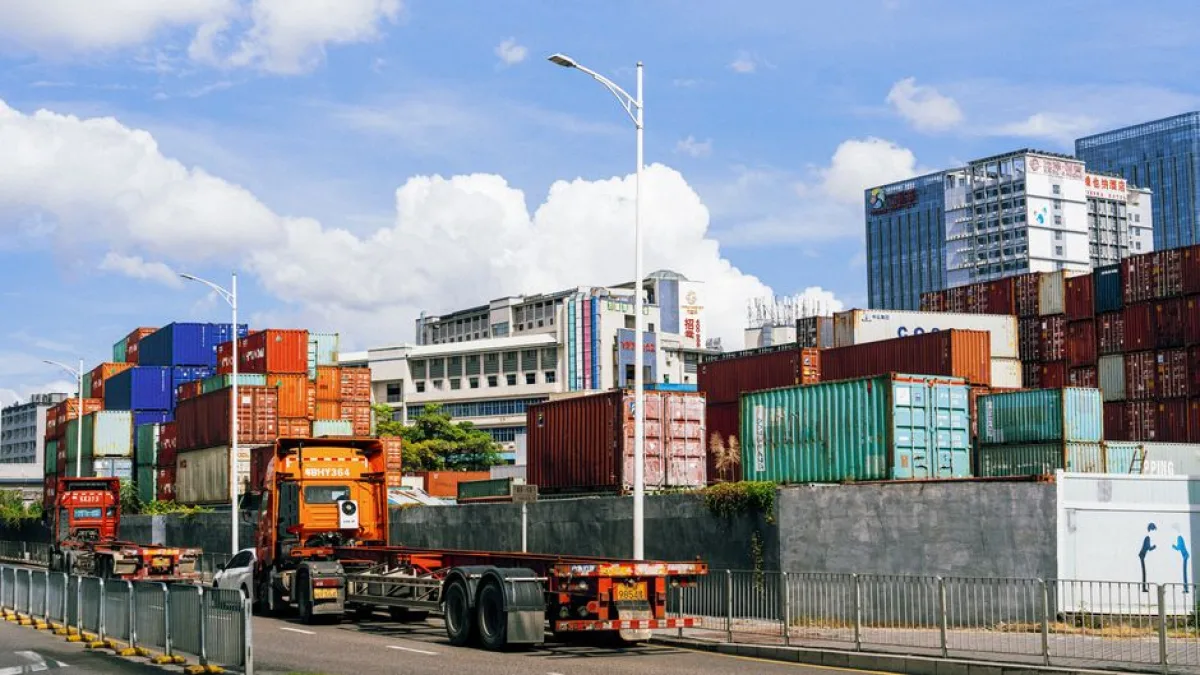
Connectivity across the supply chain ecosystem ensures that agents, carriers, and clients operate in harmony. High performing freight forwarders use digital platforms to bridge these relationships, turning fragmented communication into a streamlined, collaborative workflow that minimizes delays and increases reliability.
- Real Time Collaboration: Shared digital portals allow partners to view status updates and documents simultaneously, which creates a transparent environment that fosters trust and accountability among all global stakeholders.
- Carrier Integration Tools: Linking your internal systems directly with carrier APIs provides immediate capacity checks and pricing updates, saving your team valuable time during the complex freight quoting process.
- Client Portal Access: Offering customers a dedicated login for tracking their own cargo reduces the volume of status request emails that your team must answer on a daily basis.
- Agent Communication Portals: Standardizing how information is shared with overseas agents ensures that expectations are clear and documentation is received on time for every single shipment you manage.
Strong connectivity transforms business relationships into competitive advantages. By providing partners with the tools they need to communicate effectively, you minimize friction in your logistics operations. This improved flow of data leads to fewer delays at ports and better adherence to delivery timelines. A well-integrated network becomes a powerful asset that separates your freight forwarding business from the rest of the pack.
Scalable Automated Workflows
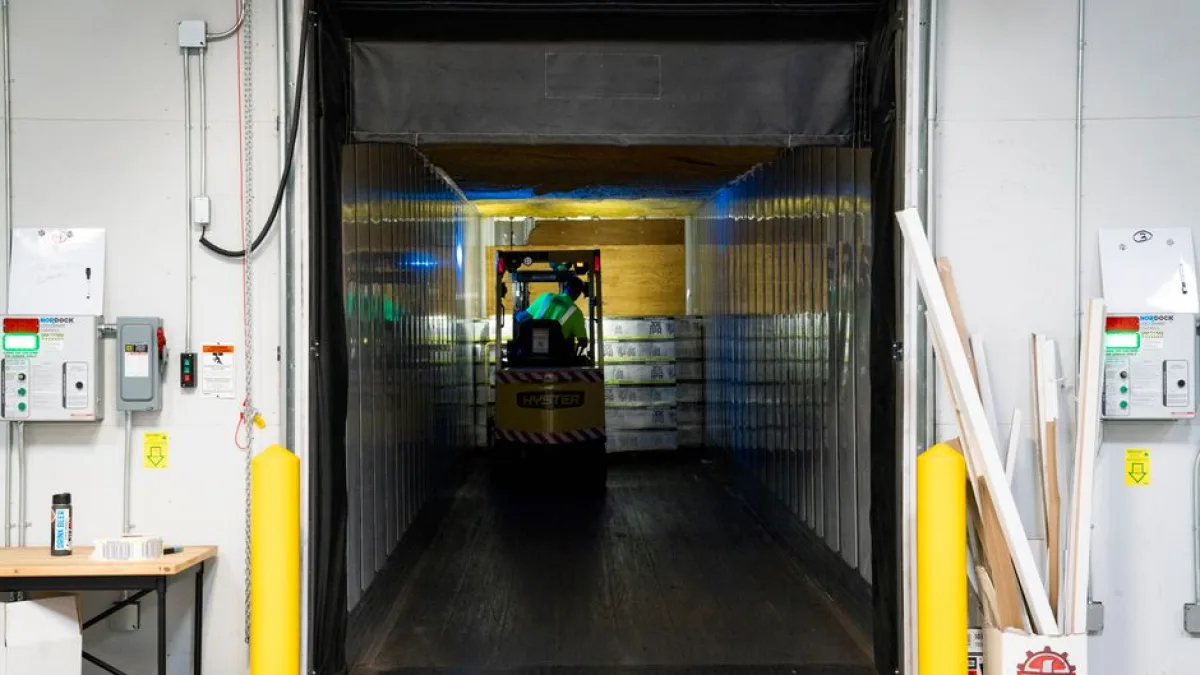
Automation is the engine that drives modern freight forwarding growth by handling repetitive tasks without human intervention. Implementing scalable workflows allows your company to manage larger volumes of cargo without the need for proportional increases in administrative staff and overhead.
- Dynamic Quote Generation: Automated quoting tools leverage historical data and live carrier rates to generate accurate pricing estimates in seconds, allowing you to respond to client leads much faster.
- Instant Booking Requests: Enabling clients to submit booking requests directly through an online interface simplifies order intake and ensures that all necessary information is captured from the start.
- Smart Document Creation: Generate essential shipping documents automatically based on shipment data to ensure total accuracy and compliance with international trade regulations during the entire transit process.
- Automated Status Alerts: Triggering email notifications based on milestone events keeps customers informed automatically without requiring your operations team to perform manual outreach during their busy workdays.
Automated workflows ensure that your operations remain consistent even as cargo volumes climb. By shifting routine work to intelligent software, your team can pivot their attention toward account management and strategic problem solving. This shift improves the overall service quality and creates a more professional experience for your clients. Scalability is essential for long-term success in the competitive and fast-paced global logistics industry.
Security and Compliance Excellence

Data security and regulatory compliance represent the bedrock of trust in logistics. Protecting sensitive client information while adhering to international shipping laws is essential for maintaining your reputation and avoiding costly fines or legal complications during daily operations.
- Encrypted Cloud Storage: Protecting sensitive shipment and financial data with advanced encryption standards prevents unauthorized access and secures your information against the growing threat of modern cyber attacks.
- Automated Audit Trails: Detailed logging of every system action provides complete traceability for your shipments, making it simple to demonstrate compliance during third party or government audits.
- Regulatory Update Tracking: Integrated systems that monitor global trade regulations ensure that your documentation processes stay aligned with the latest legal requirements for every specific destination country.
- Access Control Management: Defining specific user roles within your software ensures that employees only access the information they truly need, which strengthens your overall data protection protocols immensely.
Prioritizing security and compliance protects your brand and reinforces the trust that clients place in your services. By leveraging automated systems, you ensure that every shipment follows the correct protocols without relying on manual checks. A secure digital foundation provides peace of mind for your team and your customers alike, serving as a pillar for professional and reliable freight operations everywhere.
Conclusion

Digital transformation represents the most effective path forward for freight forwarders seeking to enhance operational efficiency. By prioritizing integration, you create a robust ecosystem that drives growth and improves service levels. Explore how MakeCargo can help your business streamline complex logistics workflows today. Embrace the future of technology to stay ahead of the curve and provide superior value to your global client base.