Optimizing Freight Operations Through Digital Integration
Thursday, August 27 2026

Modern freight forwarding is undergoing a profound transformation driven by rapid technological adoption and the shift toward cloud-based infrastructures. As global supply chains become increasingly complex, professionals must leverage advanced software solutions to maintain a competitive edge. Integrating disparate systems into a unified platform like MakeCargo allows companies to automate manual workflows, reduce operational bottlenecks, and provide real-time visibility to clients. By embracing digital integration, forwarders move beyond legacy processes, ensuring their business remains agile, scalable, and resilient against market fluctuations. Success in today's logistics environment requires a strategic approach to technology adoption that directly enhances efficiency and service quality for every shipment.
API Connectivity and Data Exchange
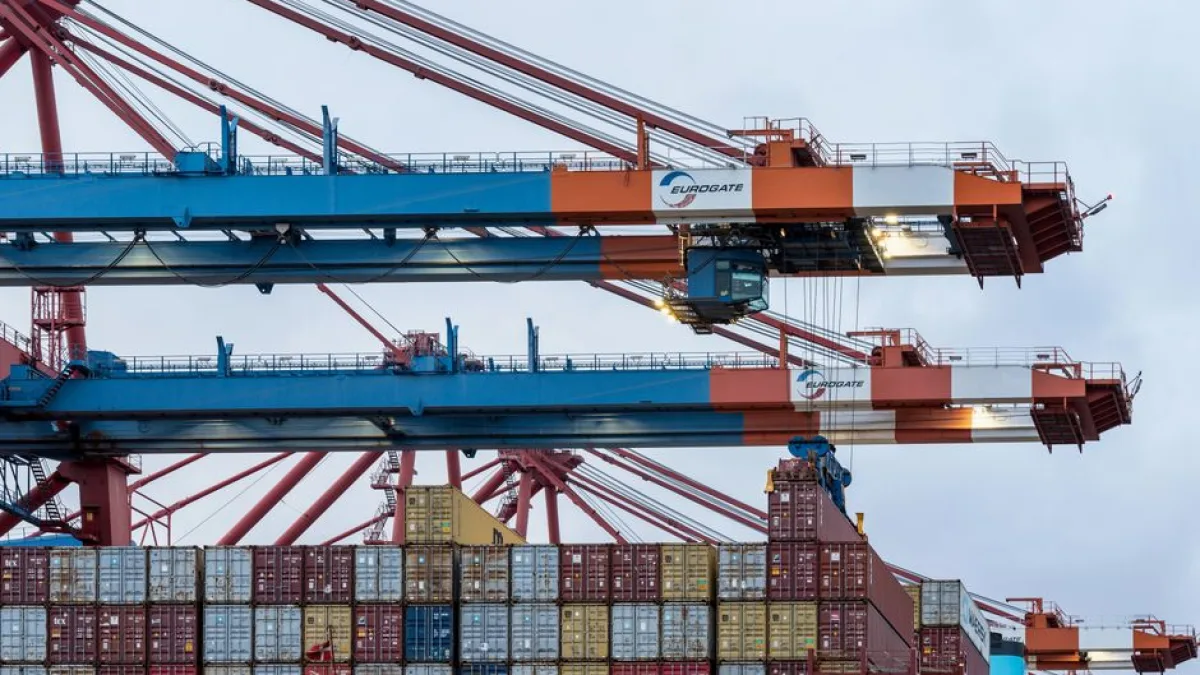
Seamless API connectivity serves as the backbone of contemporary logistics, enabling different software systems to communicate effortlessly. By linking your freight platform with carriers and warehouses, you eliminate redundant data entry tasks while ensuring information flows accurately throughout the entire supply chain.
- Automated Data Syncing: Eliminate manual input errors by allowing your freight software to pull real time tracking updates directly from carrier APIs into your central dashboard system.
- Faster Shipment Booking: Connect your booking engine to carrier portals to retrieve spot rates and schedule transport departures with just a few clicks inside the platform.
- Improved Partner Collaboration: Securely exchange electronic data interchange files with vendors and partners to ensure all parties operate from the same synchronized set of live documentation.
- Enhanced System Interoperability: Connect your accounting software with your logistics platform to ensure financial records reflect shipment status changes without requiring secondary manual invoice reconciliation steps.
Integrating systems via API is no longer a luxury but a fundamental necessity for scalable operations. By creating a unified digital environment, your team can focus on complex problem solving rather than administrative maintenance. This reduction in technical friction empowers staff to handle larger volumes of cargo without increasing headcount, ultimately leading to higher profit margins and improved long-term operational success for the forwarder.
Cloud Based Visibility Solutions

Centralized cloud visibility provides an unparalleled view of your global operations, accessible from any location. By moving data to a secure cloud platform, forwarders offer clients live updates that foster trust and improve the overall customer experience during transit.
- Real Time Tracking: Provide clients with instant access to their cargo locations, reducing the volume of inbound status inquiries your support team needs to process daily.
- Centralized Document Access: Store all bills of lading and customs documents in a secure digital vault accessible to authorized personnel across various global office branches.
- Mobile Accessibility Tools: Ensure your logistics managers can approve shipments or check inventory statuses from mobile devices while traveling or working away from the office.
- Secure Data Backups: Protect your critical business information through automated cloud storage protocols that ensure your records remain safe from local hardware failures or threats.
Adopting cloud architecture simplifies the way teams interact with shipment data on a daily basis. As your business grows, the cloud allows you to scale resources without massive capital investment in local servers. By centralizing information, you ensure that every team member has the exact same context for every shipment, which eliminates miscommunication and boosts your professional reliability in the logistics industry.
Automated Workflow Management

Workflow automation transforms time-consuming manual tasks into efficient background processes. By setting up automated triggers within your software, you ensure that no shipment step is missed, which keeps your operations running smoothly and reduces the likelihood of human error.
- Automated Status Alerts: Trigger email notifications to notify your customers automatically as soon as shipment milestones are reached, ensuring transparency without constant manual team effort.
- Smart Task Assignments: Route specific shipping documentation tasks to the correct team members based on their region or commodity expertise to optimize the internal workflow.
- Customizable Process Logic: Build unique workflows that mirror your specific operational needs, allowing the software to adapt to your unique business processes and procedures.
- Compliance Error Checks: Utilize automated validation rules that flag missing information or incorrect customs codes before a shipment is finalized and submitted to authorities.
Workflow automation represents the shift from reactive management to proactive logistics control. By removing the burden of repetitive tasks, you allow your employees to focus on delivering high-value logistics consulting to your customers. This efficiency gain is essential for growing firms that aim to handle complex logistics challenges while maintaining lean operational costs and high standards for their global shipping partners.
Scalable Infrastructure for Growth

Scaling your business requires a robust digital infrastructure that supports rapid growth without buckling under pressure. Modern platforms provide the flexibility to add new branches or services seamlessly, ensuring that technology facilitates rather than restricts your long-term expansion goals.
- Flexible Module Integration: Activate additional logistics features or service modules as your business expands into new markets like air freight or domestic trucking transport.
- Global Multi-User Support: Add new team members or office locations instantly, allowing them to access the platform with predefined permissions and centralized workflow configurations.
- Performance Scaling Tools: Benefit from cloud platforms that automatically adjust processing power to maintain fast response times even during peak shipping seasons or busy holidays.
- Regular Software Updates: Receive new features and security enhancements automatically, ensuring your logistics platform always leverages the latest technology without manual software upgrade projects.
Choosing an infrastructure that prioritizes scalability ensures your freight forwarding company is prepared for the future of global trade. By removing technical barriers to expansion, you gain the agility to enter new regions or adopt new shipping services with confidence. MakeCargo offers the necessary tools to build this foundation, allowing your team to focus on growing revenue while staying agile and efficient.
Conclusion

Digital transformation through integrated freight technology is the key to achieving operational excellence. By focusing on API connectivity, cloud visibility, workflow automation, and scalable infrastructure, forwarders can significantly enhance their market competitiveness. These tools empower teams to work faster and with greater accuracy. Embrace modern software solutions today to streamline your complex shipping operations and drive sustainable long-term success for your logistics company.