Optimizing Freight Operations Through Digital Integration
Tuesday, September 1 2026

Modern freight forwarding is evolving at a breakneck speed, forcing logistics companies to abandon legacy systems in favor of comprehensive cloud-based platforms. As global supply chains grow more complex, the ability to manage documentation, tracking, and partner communication from a single interface is no longer a luxury but a fundamental necessity for survival. MakeCargo addresses these challenges by consolidating fragmented workflows into a cohesive digital ecosystem. By embracing advanced technology, forwarders can eliminate manual errors, slash processing times, and deliver superior visibility to their clients, ultimately building the operational resilience required to thrive in a highly competitive and volatile international marketplace.
Centralizing Operations in the Cloud

Transitioning your operations to a cloud environment allows teams to access critical shipment data from anywhere in the world. By breaking down internal data silos, you ensure that every stakeholder views a single source of truth for all active freight shipments.
- Seamless Data Access: Cloud platforms provide real-time updates accessible to authorized personnel across multiple time zones, ensuring that operational decisions are always based on the most accurate and current information.
- Reduced Manual Entry: Automation tools significantly decrease the time spent on repetitive tasks by pulling data directly from carrier portals, which drastically minimizes the risk of human-induced typographical errors.
- Enhanced Team Collaboration: Built-in communication tools enable logistics teams to share documents and internal notes instantly, fostering a more transparent working environment that accelerates the overall cargo clearance process.
- Scalable Infrastructure Needs: As your forwarding business grows, cloud-based software scales alongside you, allowing for the addition of new users or complex workflows without requiring expensive hardware upgrades or maintenance.
- Secure Data Storage: Leading cloud providers implement enterprise-grade security protocols, ensuring that your sensitive client information and shipment manifests are protected against unauthorized access and potential digital threats.
Adopting a cloud-centric approach transforms how your firm handles complex logistics workflows on a daily basis. By centralizing core functions, you empower your staff to focus on high-value tasks instead of mundane data management. This transition not only improves internal efficiency but also strengthens your reputation for reliability, as clients receive faster updates and consistent service quality throughout the entire lifecycle of their shipments.
Automating Essential Documentation Workflows

Document management often serves as the biggest bottleneck for freight forwarders. Digital automation tools now allow firms to generate bills of lading, invoices, and customs declarations automatically by pulling existing data directly from the system with one click.
- Instant Document Generation: Intelligent software templates create standard shipping documents in seconds, ensuring that all regulatory requirements are met accurately while saving hours of manual drafting every single week.
- Error Detection Algorithms: Advanced validation checks monitor incoming documents for inconsistencies, flagging potential issues before they reach customs officials to prevent costly delays at various international border crossings.
- Digital Storage Solutions: Moving away from physical filing cabinets allows your team to retrieve any historical shipment document in seconds, creating a clean audit trail that satisfies complex compliance standards.
- Electronic Signature Integration: Modern platforms support secure e-signatures, which expedite the approval process from shippers and consignees, effectively removing the need for scanning and mailing paper-based agreements entirely.
- Automated Filing Systems: Smart software can automatically categorize and save files into the correct client folders, ensuring that your digital workspace remains organized without requiring constant manual oversight by administrators.
Efficient document handling is the backbone of successful forwarding, and modern automation tools make this process easier than ever before. By eliminating the reliance on physical paperwork, your firm reduces overhead costs and speeds up the movement of goods. Embracing these digital workflows creates a smoother experience for both your staff and your customers, positioning your business as a leader in modern trade.
Integrating Partner and Carrier APIs
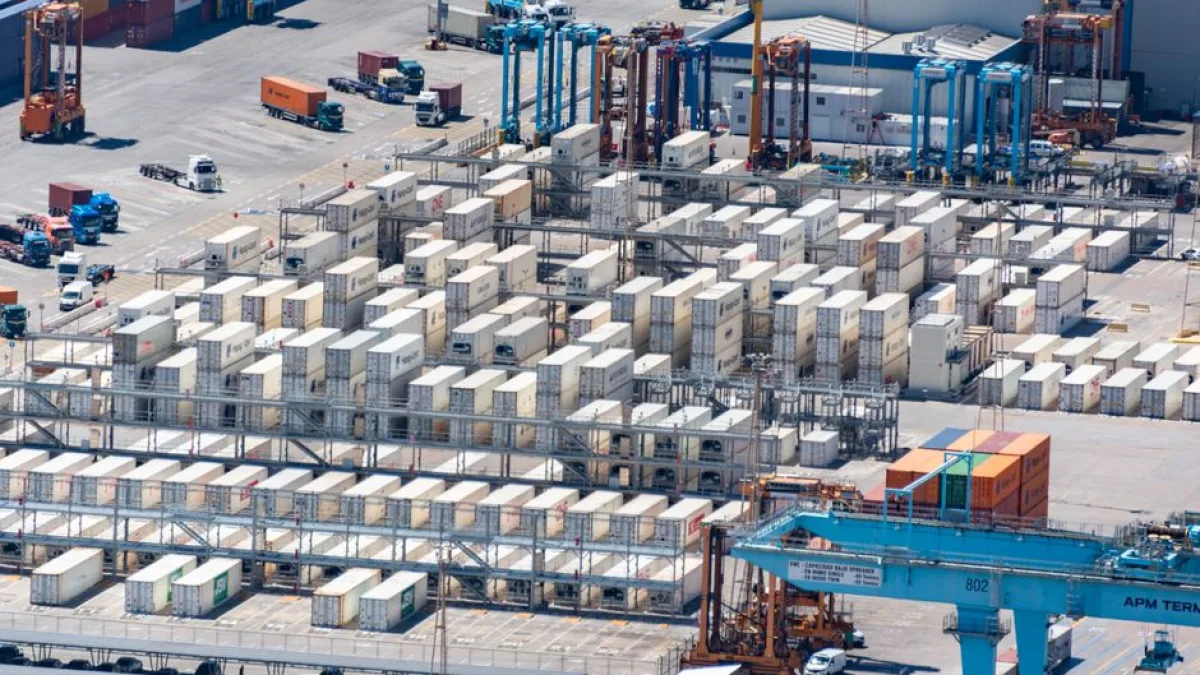
Connectivity serves as the foundation for any modern freight forwarding business. By integrating your platform with carrier and customs APIs, you can achieve real-time visibility into the exact location and status of cargo across the global supply chain.
- Real-Time Tracking Links: API integrations provide automatic status updates from major carriers, giving your clients the ability to track their freight without needing to contact your customer service team.
- Instant Rate Retrieval: Connecting your software to carrier rate databases allows you to compare pricing instantly, ensuring you always provide the most competitive quotes to your growing client base.
- Customs Connectivity Tools: Direct links to government customs portals enable the rapid filing of entries, which ensures that your shipments move through ports and borders with minimal friction or intervention.
- Seamless Third-Party Links: Linking your platform with warehouse management systems provides end-to-end visibility, connecting your freight services with storage operations to create a truly unified and cohesive logistics chain.
- Standardized Data Formats: API connections enforce consistent data formatting, which prevents the interoperability issues that often arise when dealing with multiple international carriers using different proprietary technology standards and protocols.
API integration effectively removes the technological barriers that frequently plague modern logistics partnerships. By ensuring that your systems communicate fluently with those of your partners, you create a more responsive and agile supply chain. This high level of connectivity is essential for managing the demands of global trade, allowing you to react quickly to delays and keep your customers fully informed throughout.
Leveraging Advanced Data Analytics

Data is the most valuable asset in logistics, yet it remains underutilized by many forwarders. Analytical dashboards turn raw shipment metrics into actionable insights, helping you identify trends, measure carrier performance, and uncover new opportunities for revenue and cost savings.
- Carrier Performance Tracking: Detailed reports allow you to evaluate carrier reliability based on historical on-time delivery data, enabling you to select the best partners for specific trade routes consistently.
- Profitability Analysis Tools: Sophisticated reporting modules analyze the costs and revenues associated with every shipment, helping you identify which customers and routes generate the highest margins for your company.
- Predictive Trend Modeling: Utilizing historical data, these tools can help you forecast future shipping volumes, allowing you to prepare for seasonal demand shifts and allocate your resources more effectively.
- Client Reporting Features: Customizable dashboards allow you to provide your clients with professional, branded performance reports, adding significant value to your service and strengthening your long-term business partnerships.
- Operational Bottleneck Identification: Analytics highlight where delays typically occur in your processes, allowing you to proactively address systemic issues before they impact your overall service quality or customer satisfaction.
Harnessing the power of data analytics provides a strategic advantage that is impossible to ignore in today's market. By making decisions based on solid evidence rather than intuition, you improve the efficiency and profitability of your freight forwarding firm. Consistent analysis ensures that your operations remain lean, responsive, and perfectly aligned with the evolving needs of your global shipping clients and partners.
Conclusion

The transition to a cloud-based digital platform is vital for forwarders seeking to remain competitive. By centralizing operations, automating documentation, integrating essential APIs, and utilizing advanced data analytics, your business can overcome the complexities of modern logistics. Embracing these technological advancements ensures long-term operational success, improved client satisfaction, and sustained growth, ultimately setting your firm apart as a leader in the global shipping industry.