Optimizing Freight Operations Through Digital Integration
Wednesday, September 2 2026

Modern freight forwarding is undergoing a rapid transformation as global supply chains demand higher levels of transparency and speed. Moving away from manual spreadsheets and disconnected legacy systems is no longer optional for firms aiming to maintain a competitive advantage in this complex market. By leveraging cloud-based platforms like MakeCargo, forwarders can centralize communication, automate repetitive administrative tasks, and provide clients with real-time visibility into their shipments. Embracing technological innovation allows teams to shift their focus from reactive problem solving to proactive strategic planning, ultimately driving growth and enhancing operational efficiency across every single touchpoint of the global logistics network.
Seamless Data Synchronization
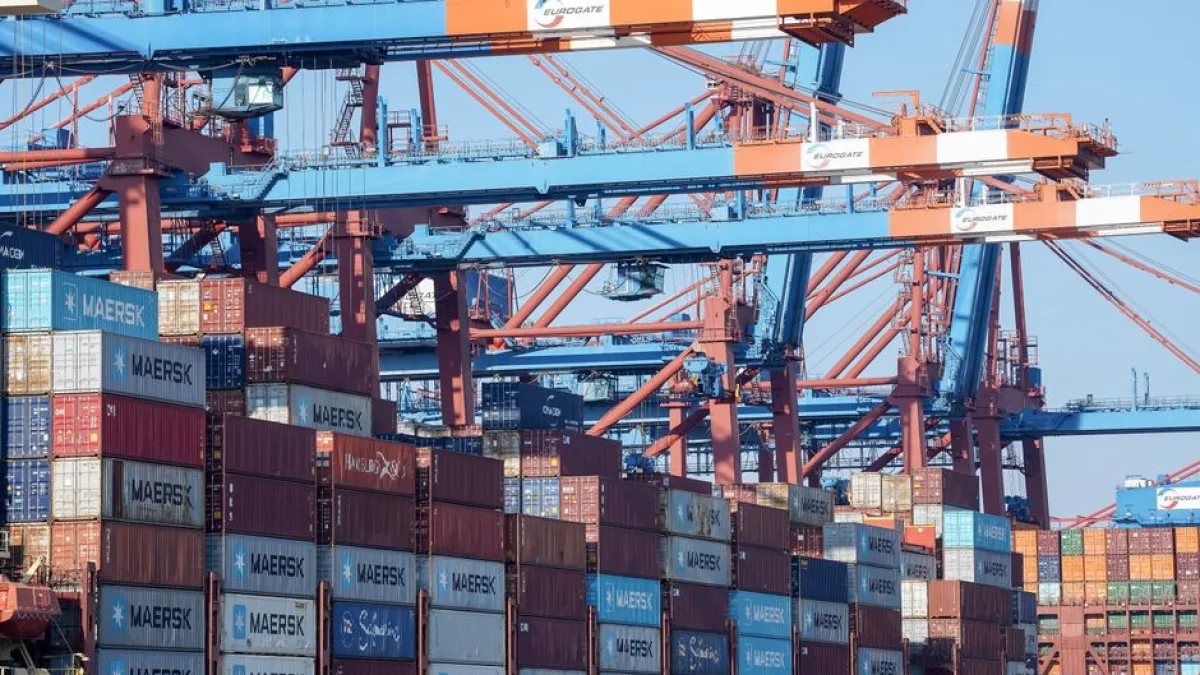
Integrating software platforms enables disparate systems to communicate effectively, ensuring that data flows without friction. This connectivity eliminates the risks associated with double entry and manual error, creating a single source of truth for every international shipment managed by your company.
- Automated Data Entry: Eliminating manual input reduces the likelihood of human error while significantly accelerating the onboarding process for new shipments and complex documentation requirements for your international clients.
- Unified System Architecture: Connecting your freight software with accounting and customs tools ensures that financial data and regulatory updates are always synchronized across all organizational departments and branches.
- Real-time Information Access: Team members can access the latest status updates and documentation from anywhere in the world, fostering better collaboration and faster decision making across global teams.
- Reduced Administrative Overhead: Automating routine updates and data transfers allows your staff to spend more time on high-value client interactions rather than chasing down simple shipment status details.
Achieving seamless synchronization is the foundation of a modern logistics operation. By ensuring that your software ecosystem works as a unified whole, your firm can prevent information silos from developing within your departments. This streamlined approach minimizes downtime and allows your staff to respond to client inquiries with confidence and precision. Investing in integration today positions your business for sustainable growth and scalable operations.
Enhanced Client Transparency

Clients expect instant updates regarding their cargo status in today's digital landscape. Providing a dedicated portal for tracking shipments builds trust and reduces the volume of repetitive status check emails that often overwhelm professional freight forwarding staff daily.
- Live Tracking Dashboards: Clients can access an intuitive web interface to view the precise location and current status of their freight, reducing the need for constant phone inquiries.
- Automated Status Alerts: Proactive notifications keep your customers informed at every critical milestone without manual effort, ensuring they feel supported throughout the entire duration of their shipment.
- Secure Document Sharing: Providing a centralized location for invoices, bills of lading, and customs paperwork ensures that customers have instant access to their important logistics documentation.
- Customized Reporting Tools: Offering analytical reports allows your clients to review their supply chain performance, which builds long-term loyalty and encourages repeat business from your primary customers.
Transparency is a critical differentiator for forwarders competing in a global market. By offering your clients a robust digital experience, you turn standard shipping services into a value-added partnership. This level of clarity fosters trust and demonstrates that your company is a tech-forward leader. When clients have the power to view their own data, they gain peace of mind and operational efficiency.
Scalable Workflow Automation

Automation allows forwarders to scale their operations without needing to hire an army of administrative staff. By implementing smart workflows within your freight platform, you can ensure that consistent processes are followed for every single shipment, regardless of complexity.
- Standardized Operational Flows: Defining clear steps within your software ensures that every shipment follows the same high-quality protocol, minimizing the risk of missing critical tasks or deadlines.
- Smart Task Assignments: Automated alerts notify specific team members when actions are required, ensuring that work is always moving forward and bottlenecks are addressed before they grow.
- Customizable Trigger Events: Set specific rules that trigger actions based on shipment status changes, such as generating an invoice the moment a container arrives at port.
- Scalability Through Tech: Relying on automated software systems allows your company to handle an increasing volume of shipments without needing to increase your permanent headcount significantly.
Workflow automation transforms how your team handles the daily pressures of the logistics industry. By offloading repetitive duties to your software, your employees can focus on managing exceptions and building relationships. This shift not only improves the overall quality of your output but also makes your business more resilient. Automation is the key to maintaining high service levels while you grow your business.
Cloud-Based Collaboration

Moving your operations to the cloud ensures that your team stays connected regardless of their physical location. This flexibility is essential for remote work and international offices, allowing your company to operate as one unified entity on a global scale.
- Anywhere Access Capability: Cloud systems enable your staff to monitor shipments and resolve issues from any device, providing the mobility required for today's dynamic logistics environment.
- Instant Team Updates: Changes made to shipment files are reflected immediately for all users, preventing the confusion of outdated information circulating among your different branch offices.
- Version Control Efficiency: Centralized document management prevents version conflicts, ensuring that everyone is working from the latest iteration of customs forms or carrier booking documents.
- Enhanced Data Security: Moving to the cloud provides advanced protection for sensitive cargo data, which is far more secure than storing files on local office servers.
Cloud-based collaboration is the final piece of the puzzle for a modern freight forwarding firm. It bridges the gap between different time zones and physical locations, creating a cohesive work environment for your team. By utilizing a shared digital space, you improve communication speed and overall accuracy. This connectivity ensures that your staff remains productive and informed no matter where they work today.
Conclusion

Adopting advanced technology and integrations is essential for modern freight forwarders. By prioritizing cloud-based systems, you can automate manual workflows, increase client visibility, and improve internal collaboration. These changes empower your team to focus on strategic growth rather than administrative maintenance. Start your journey toward a more efficient operation by evaluating your current software capabilities and implementing tools that support your long-term business goals.