Optimizing Freight Operations Through Digital Integration
Thursday, September 3 2026
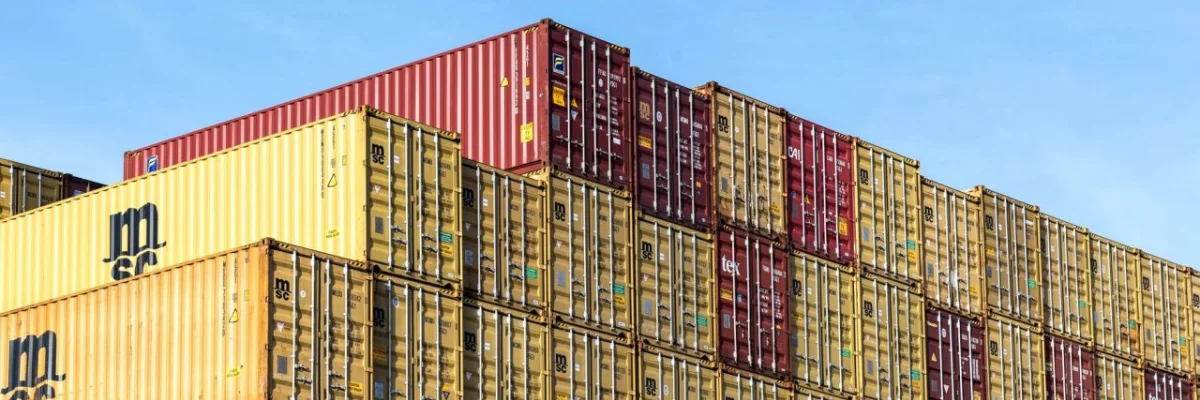
The global logistics landscape is undergoing a massive transformation driven by the rapid adoption of cloud based technology. Freight forwarders are increasingly moving away from legacy systems to embrace interconnected software ecosystems that provide real time visibility and enhanced operational efficiency. By leveraging modern platforms like MakeCargo, logistics professionals can bridge the gap between fragmented data silos and unified digital workflows. This shift not only reduces manual errors but also empowers teams to make data driven decisions that improve service delivery. As competition intensifies, integrating advanced digital tools has become a critical necessity for any forwarder aiming to scale effectively.
Centralizing Data Management

Consolidating your operational data into a single cloud environment allows teams to access critical information without navigating multiple platforms. This centralized approach reduces latency in communication and ensures that every stakeholder is working with the most accurate and up to date shipment details.
- Real-time data synchronization: Cloud platforms ensure that information entered by one agent is instantly visible to the rest of the team across various global offices and remote locations.
- Reduced manual entry: Automated data flows eliminate the repetitive task of copying shipment details from emails or spreadsheets into your primary logistics management software platform today.
- Enhanced document security: Encrypted cloud storage protects your sensitive client data and shipment documentation from local hardware failures or unauthorized access attempts in your office.
- Improved system transparency: Unified dashboards provide managers with clear oversight of all active shipments which helps in identifying bottlenecks before they impact delivery timelines significantly.
By bringing every piece of data under one digital roof, freight forwarders minimize the risk of inconsistencies that often plague manual workflows. This transition to a unified source of truth enables smoother internal collaboration and creates a more robust foundation for scaling your business. Embracing these centralized systems is the first major step toward achieving the operational excellence required in today's demanding global market.
Automating Workflow Processes

Automation is the cornerstone of modern logistics productivity, allowing teams to handle complex documentation tasks with minimal intervention. By automating routine workflows, forwarders can focus their human talent on high value tasks such as strategic client management and complex problem solving.
- Automated email parsing: Advanced software tools extract relevant information from incoming messages and automatically update shipment statuses to keep your records accurate without manual input.
- Trigger based notifications: Set custom alerts that automatically notify your team or clients when a shipment reaches a specific milestone or experiences an unexpected delay.
- Digital invoice generation: System generated invoices reduce the time spent on accounting tasks while ensuring that billing details match the operational data recorded during transit.
- Standardized workflow templates: Create repeatable process flows for standard shipments that ensure compliance and consistency across every department within your freight forwarding organization worldwide.
When you replace repetitive manual actions with smart automation, the impact on your operational speed is immediate and substantial. Your team becomes more efficient at managing high volume shipments without increasing the overall headcount. This scalability is vital for handling peak seasons and unforeseen market fluctuations effectively, ensuring that your service remains reliable even when the pressure on your logistics infrastructure reaches extreme levels.
Enhancing Partner Connectivity
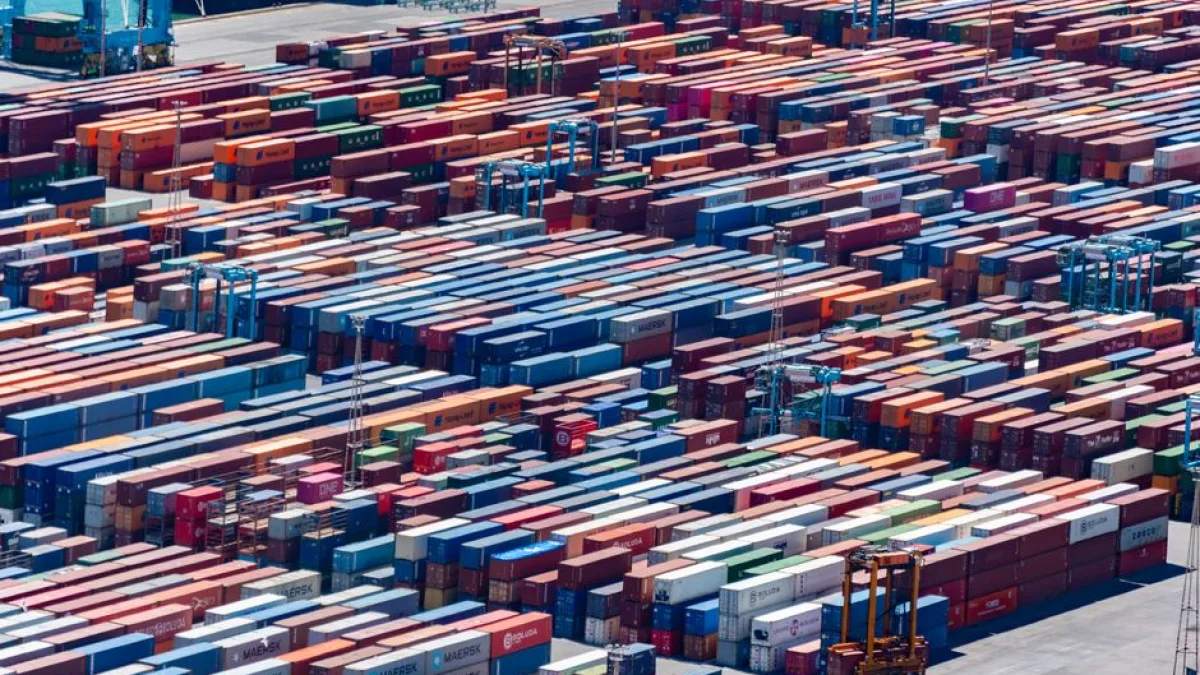
Building strong digital bridges between your company and external partners such as carriers or customs brokers is essential for modern freight operations. Seamless integration allows for the rapid exchange of critical shipment data, which eliminates the friction commonly found in traditional communication methods.
- Carrier API integration: Connect your platform directly with major shipping lines and airlines to receive real time capacity updates and instant automated booking confirmation messages.
- Customs broker portals: Grant secure access to your customs partners so they can retrieve necessary documents directly from your system without constant back and forth.
- Instant status updates: Enable seamless data sharing that provides your clients with a transparent view of their cargo progress throughout the entire global supply chain.
- Secure document sharing: Replace insecure email attachments with a managed cloud portal that tracks document versions and ensures that all parties have the correct files.
Digital connectivity transforms your network into a cohesive unit that operates with shared objectives and improved transparency. By removing the technical barriers to communication, you create a more responsive environment that quickly adapts to change. These external integrations are what set top tier forwarders apart from their competitors, as they offer the speed and precision that modern clients expect in today's world.
Scaling Through Cloud Infrastructure

Cloud infrastructure offers the flexibility that freight forwarders need to adapt to the changing needs of their clients. By removing the burden of maintaining expensive on premise servers, companies can focus their capital on software innovations and strategic business development efforts.
- Flexible resource scaling: Cloud platforms allow your software capacity to grow automatically as your shipment volume increases or during peak seasonal logistics periods throughout years.
- Lower maintenance costs: Subscription based models eliminate the need for significant upfront hardware investments and ongoing internal IT maintenance fees that drain operational cash reserves.
- Regular software updates: Benefit from constant improvements and feature releases that keep your freight software on the cutting edge of global logistics technology trends always.
- Remote access capabilities: Empower your workforce to manage shipments from anywhere in the world by using secure web based platforms that provide total operational control.
Cloud adoption is not just a technical upgrade, but a strategic decision that enables long term business sustainability. By choosing scalable infrastructure, you ensure that your operations remain flexible regardless of market conditions or business growth. This agility allows forwarders to test new services and reach new markets quickly, turning technological investment into a clear competitive advantage that supports your growth objectives entirely.
Conclusion

Transitioning to integrated cloud technology is essential for forwarders who want to remain relevant in a competitive industry. By centralizing data, automating workflows, and building strong digital partner connections, your firm can achieve unmatched operational efficiency. Start your digital transformation today to unlock new levels of productivity and client satisfaction that will drive your business success well into the future of global logistics.