Optimizing Freight Operations Through Digital Integration
Friday, September 4 2026

Modern logistics environments demand unprecedented levels of agility and precision to remain competitive in a volatile global market. Freight forwarders often struggle with fragmented communication channels and manual data entry tasks that hinder operational efficiency. By leveraging cloud-based platforms like MakeCargo, businesses can transition from reactive management to proactive logistics orchestration. True digital transformation involves bridging the gap between disparate software systems and unifying your data ecosystem into a single source of truth. As we navigate these technological shifts, understanding how to harness the power of integrated digital tools is essential for long-term growth, scalability, and enhanced customer satisfaction levels.
Seamless Data Connectivity
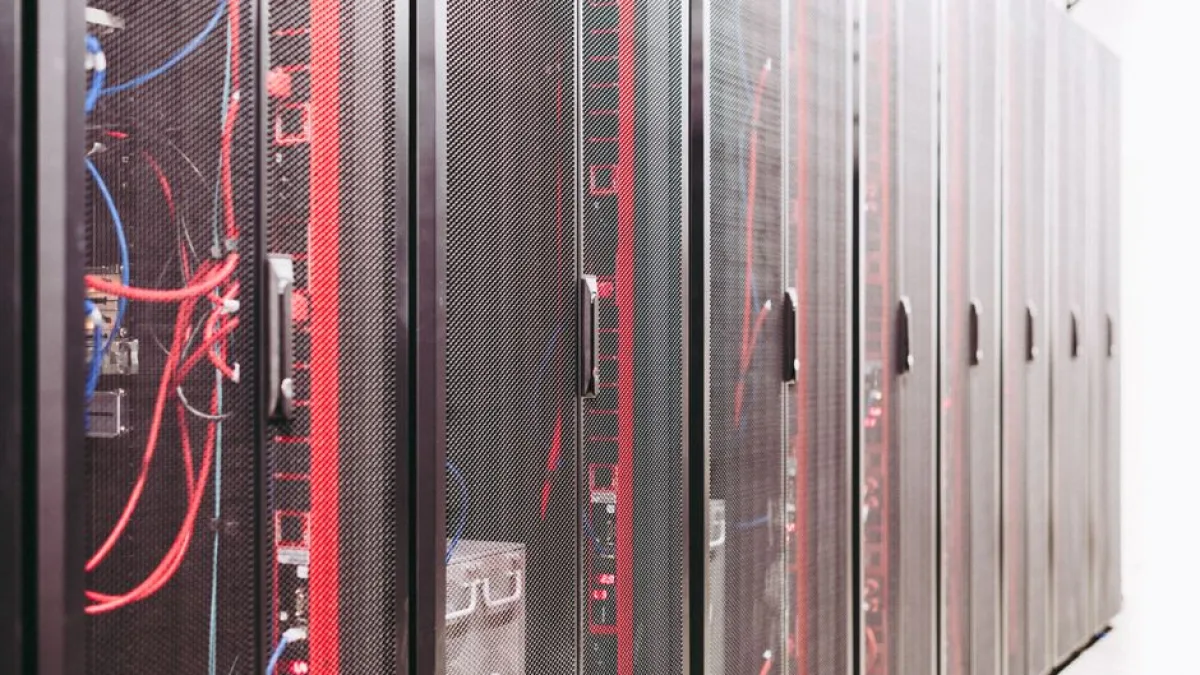
Establishing robust connections between your operational systems ensures that information flows without friction across your supply chain. When your software talks to your partners directly, manual errors diminish while the speed of your documentation processing increases significantly across every department.
- Automated Data Syncing: Real time synchronization between your freight platform and carrier systems eliminates the need for manual updates while ensuring that your operational team always accesses the latest status information.
- Reduced Manual Entry: Integrated systems automatically populate bills of lading and invoices from existing shipment data, which drastically lowers human error rates and saves valuable hours for your staff.
- Unified Communication Hubs: Centralizing customer and vendor messages within a single platform ensures that every stakeholder has clear visibility into shipment progress without constant email back and forth exchanges.
- Standardized Document Formats: Digital integration forces data into standardized electronic formats that are easily understood by customs authorities and global partners, facilitating smoother interactions at every international transit border.
Achieving total connectivity requires a strategic approach to how your software components interact. By automating the transfer of critical shipment data, you empower your team to focus on high-value tasks rather than repetitive administration. This foundational shift reduces operational costs and builds a resilient framework that can withstand sudden market disruptions. When data moves effortlessly, your business gains the clarity needed for making informed decisions.
Real Time Shipment Visibility
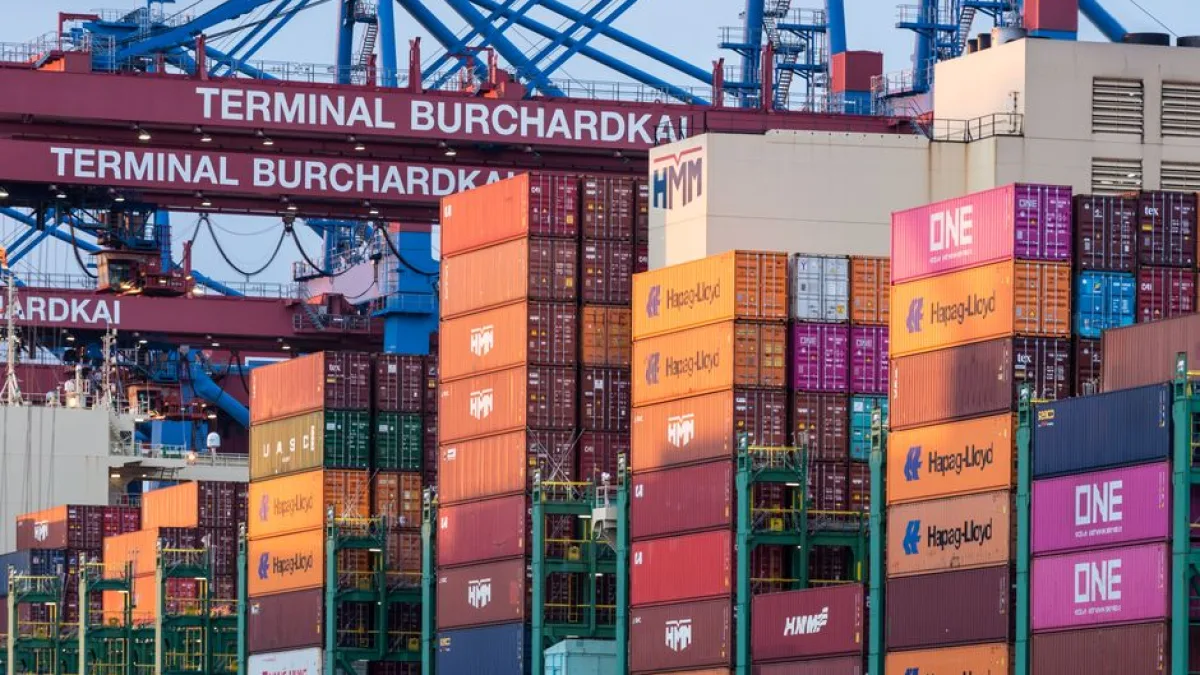
Providing customers with instantaneous access to shipment status updates is no longer optional in current logistics. Advanced visibility tools offer granular control over your freight, enabling you to anticipate delays and communicate effectively with your clients during transit disruptions.
- Instant Tracking Alerts: Automated notifications keep your customers informed about shipment milestones as they happen, which builds trust and improves the overall service experience for your client base.
- Interactive Dashboard Views: Modern cloud platforms provide visual representations of global shipment locations, allowing your team to identify bottlenecks before they impact your overall project delivery timelines or budgets.
- Carrier API Integration: Direct API connections to ocean and air carriers pull accurate location data directly into your interface, providing a higher degree of precision than manual tracking methods.
- Proactive Exception Handling: Advanced algorithms identify potential transit delays early, enabling your team to take immediate corrective actions to mitigate impact and maintain high levels of operational service performance.
Visibility serves as the backbone of superior customer service in the freight forwarding industry today. By leveraging integrated tracking systems, you transform raw location data into actionable insights that clients appreciate. This level of transparency differentiates your brand from competitors who still rely on outdated manual reporting processes. Consistent updates lead to higher client retention and stronger long term professional partnerships.
Scalable Cloud Infrastructure

Cloud infrastructure allows your freight forwarding business to grow without being limited by internal hardware or local software constraints. This flexibility ensures that you can handle seasonal volume spikes while maintaining peak performance across your global service network.
- Global System Access: Cloud based platforms enable your remote or regional teams to access critical shipment files from anywhere, fostering better collaboration across different time zones and locations.
- Automatic Software Updates: Eliminate the need for IT maintenance cycles because your cloud provider handles all backend updates, ensuring you always work with the latest version available.
- Elastic Resource Scaling: Easily adjust your subscription and computing requirements based on your current operational volume, ensuring that your costs align perfectly with your actual business revenue and throughput.
- Enhanced Security Protocols: Top tier cloud providers implement rigorous encryption and backup measures that protect your sensitive shipment data against cyber threats far better than any local server setup.
Investing in scalable cloud technology prepares your forwarder for future expansion and unexpected growth. The ability to shift resources dynamically means you never pay for capacity you do not need, while always having enough power to manage busy periods. As your operational footprint expands, this stable foundation keeps your data secure and your team aligned, ensuring consistent service delivery regardless of your company size.
Automating Compliance Processes

Navigating the complex world of international trade compliance is simplified through automated software tools. By embedding regulatory checks directly into your workflow, you ensure that every shipment adheres to regional legal standards without delaying the departure of your cargo.
- Digital Compliance Audits: Automated systems check your documentation against evolving customs requirements, preventing fines and ensuring that your paperwork meets all destination country standards before arrival at ports.
- Regulatory Update Tracking: Integrated software platforms receive instant updates on international trade laws, automatically alerting your team to changes that may impact your current shipping routes or cargo types.
- Standardized Filing Procedures: Ensure consistency across all shipments by utilizing pre approved templates that comply with local regulations, reducing the time spent preparing complex declarations for various regional authorities.
- Secure Audit Trails: Every action taken within your system is logged in a secure digital trail, which simplifies the process of proving compliance during any unexpected government or customs reviews.
Automation takes the guesswork out of international trade compliance by providing clear guardrails for your staff. With software managing the nuances of regional regulations, your team can operate with greater confidence and speed. This proactive approach to documentation reduces the likelihood of cargo holds and costly penalties. By standardizing your processes, you build a foundation of reliability that satisfies customs agents and partners.
Conclusion

Integrating advanced technology into your freight forwarding operations is the key to thriving in a complex global market. By focusing on data connectivity, real time visibility, scalable infrastructure, and automated compliance, your business gains a sustainable competitive advantage. MakeCargo provides the tools necessary to bridge these gaps, empowering your team to deliver excellence consistently. Start your digital transformation journey today and optimize your future.