Optimizing Freight Operations Through Digital Integration
Tuesday, September 8 2026

Modern freight forwarding is undergoing a profound transformation driven by rapid technological adoption and the shift toward fully digitized supply chain ecosystems. As market volatility increases and customer expectations for real time visibility rise, logistics providers must move beyond legacy systems to remain competitive. Cloud-based platforms offer the agility needed to unify fragmented processes, allowing companies to automate documentation, optimize routing, and foster seamless communication with global partners. By embracing these sophisticated digital integrations, forwarders can eliminate manual bottlenecks, significantly reduce operational costs, and deliver a superior service experience that drives long-term growth in an increasingly complex and demanding global trade environment.
Centralizing Data Flows
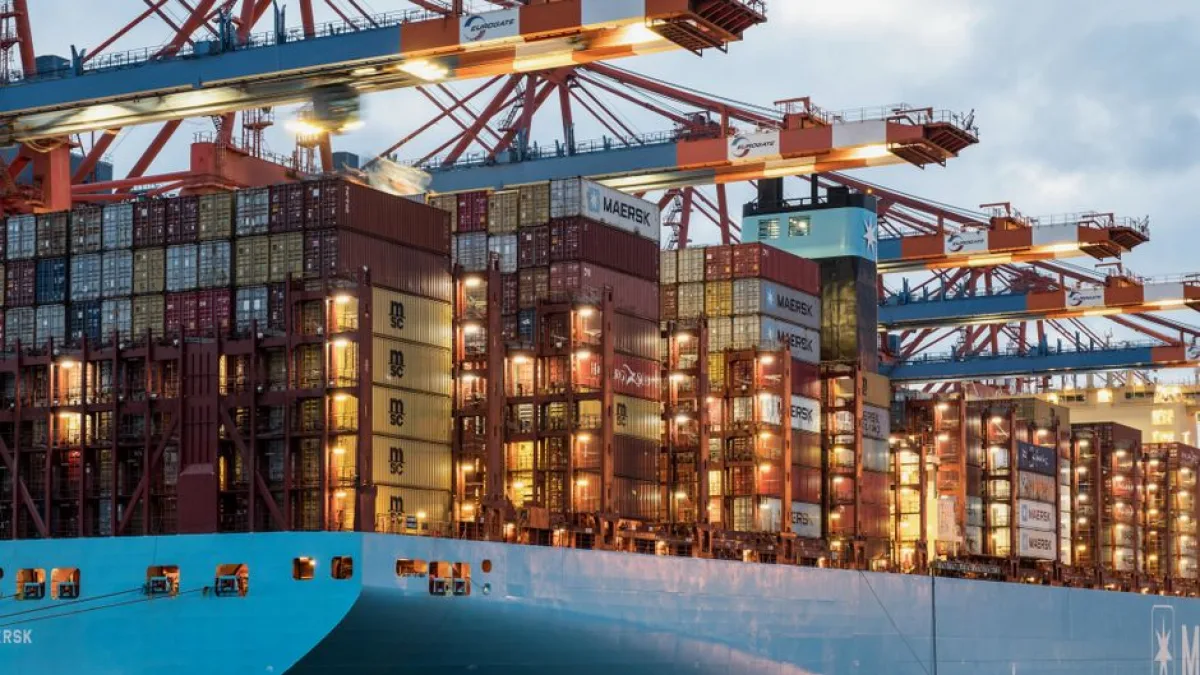
Effective freight management starts with data centralization. By integrating diverse information sources into one cloud platform, logistics firms gain a holistic view of their global operations, ensuring that stakeholders access consistent data regardless of their physical location or technical infrastructure.
- Unified data access: Creating a single source of truth allows team members to view shipment statuses in real time, reducing the need for constant status updates through manual email chains.
- Automated data entry: Smart integrations automatically import booking information from external carriers directly into your system, effectively eliminating human error and saving your staff hours of tedious administrative work.
- Improved system compatibility: Modern cloud solutions bridge the gap between incompatible legacy software, allowing different departments to share critical logistics data without experiencing formatting errors or system crashes during synchronization.
- Enhanced reporting capabilities: Centralized data sets enable robust analytics, helping management identify recurring delays or cost inefficiencies that were previously hidden within siloed spreadsheets or outdated paper documentation systems.
Consolidating your logistics data transforms how your team interacts with information every day. By removing the silos that plague traditional forwarding, you empower your staff to focus on high-value decision making rather than simple data entry tasks. This strategic shift not only accelerates your internal workflows but also creates a scalable foundation for business expansion, ensuring your firm stays ahead of complex industry challenges consistently.
Automating Compliance Processes

Compliance remains a significant hurdle for forwarders operating across international borders. Digital automation tools now simplify the complex task of managing customs declarations and regulatory filings, ensuring that every shipment adheres strictly to local laws without manual interference from staff.
- Instant customs clearance: Integrated automated systems verify shipping documents against regulatory requirements, flagging potential errors before customs authorities can impose penalties or delay your cargo movement across global borders.
- Dynamic tariff updates: Real time feeds automatically update your system with current tariff schedules, preventing costly overpayments or underpayments caused by reliance on static and outdated local pricing spreadsheets.
- Electronic document submission: Transitioning to paperless workflows allows your team to submit required declarations electronically, streamlining interactions with port authorities and reducing the physical handling of sensitive shipping documents.
- Audit ready reporting: Automated logs maintain a comprehensive history of every change made to your compliance documentation, making it significantly easier to pass external audits and regulatory inspections.
Automating your regulatory requirements provides the peace of mind that your operations are always compliant. By minimizing the risk of human error in document preparation, you shield your company from heavy fines and avoidable shipment holds at major transit hubs. Leveraging these tools ensures your team maintains operational continuity and high standards of service while managing thousands of individual shipments with minimal friction.
Scaling Through API Connectivity
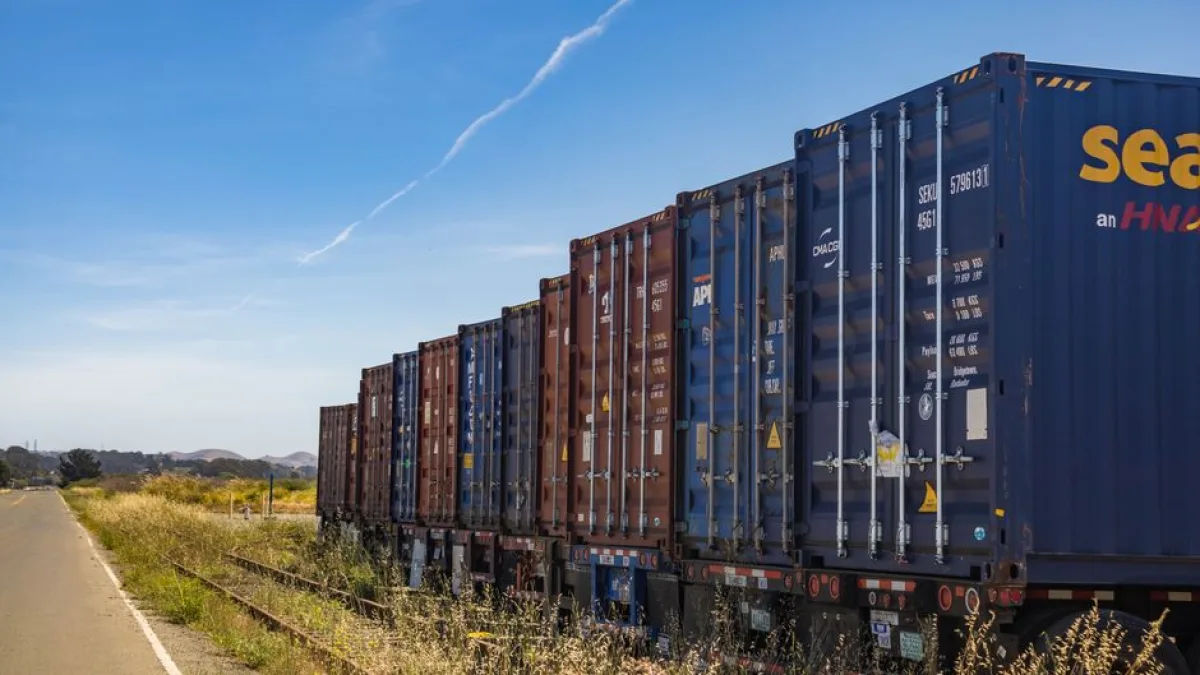
APIs serve as the vital arteries of modern freight platforms, connecting your internal systems to external partners, carriers, and customs brokers. This connectivity enables rapid data exchange, allowing for a more responsive and agile supply chain that adapts to changes.
- Seamless partner integration: API connections allow your system to talk directly to carrier databases, facilitating instant bookings and automatic tracking updates that keep your customers informed at every stage.
- Customized client portals: Secure API links allow you to push logistics information directly into your client enterprise systems, providing them with value added visibility without manual reporting efforts.
- Real time status updates: Advanced connections pull live milestone data from vessel and flight trackers, ensuring your dashboard always reflects the true location and status of your active cargo.
- Flexible system architecture: Building your software ecosystem around flexible APIs allows you to swap or add new service providers as your business needs evolve over the coming years.
Adopting an API-first approach is essential for any forwarder looking to scale their operations globally. By establishing these digital pathways, you remove the barriers that prevent effective collaboration between your office and international partners. This technological framework ensures that your business remains highly adaptable, enabling you to integrate new logistics services quickly as market demands shift and your global network expands further.
Strengthening Customer Relationships

Client satisfaction depends on transparency and speed. Digital tools allow you to provide high-quality service by delivering instant updates and professional documentation, which reinforces your company reputation as a reliable and modern logistics partner in a competitive global market.
- Proactive shipment tracking: Providing customers with a branded portal for tracking allows them to monitor cargo progress autonomously, which drastically reduces the volume of inbound status request calls.
- Professional document generation: Automated tools produce accurate invoices and packing lists instantly, ensuring your clients receive clean, professional paperwork every time they complete a booking with your firm.
- Enhanced communication channels: Integrated messaging features within your platform keep all shipment related discussions in one place, preventing important details from being lost in separate personal email accounts.
- Personalized logistics insights: Using system data, you can provide clients with custom quarterly performance reports, strengthening the partnership through transparent data and demonstrated value-added service improvements over time.
Delivering exceptional service requires the right tools to keep your clients informed and satisfied throughout the shipping lifecycle. When you provide clear, immediate access to information, you build trust and differentiate your forwarding services from traditional competitors still using manual methods. This digital-first strategy results in higher retention rates and a stronger market position as your clients continue to choose your reliable services.
Conclusion

Integrating advanced technology into your freight operations is no longer optional for successful firms. By prioritizing data centralization, automating compliance, utilizing API connectivity, and focusing on customer experience, you build a resilient business ready for future growth. Now is the time to audit your existing digital infrastructure and adopt a modern cloud-based platform that truly empowers your logistics team to excel daily excellence.