Optimizing Freight Operations Through Digital Integration
Wednesday, September 9 2026

Modern freight forwarding is no longer defined by manual paperwork or endless email threads but by the speed and accuracy of digital data exchange. As global trade complexity increases, forwarders must embrace seamless integrations to maintain a competitive edge. Connecting your core operations with external logistics ecosystems allows for real-time visibility, automated documentation, and improved partner collaboration. By leveraging cloud-based platforms like MakeCargo, forwarders can break down data silos that traditionally hinder growth. Transitioning to a fully integrated digital workflow is the essential next step for any firm looking to scale effectively in today's demanding and fast-paced international shipping market.
Unified Data Ecosystems

Creating a centralized digital hub allows your team to visualize complex logistics data in one location. This integration ensures that every stakeholder interacts with a single version of the truth, effectively reducing errors and increasing overall operational transparency across departments.
- Data synchronization benefits: Real-time synchronization eliminates the need for manual data entry across multiple disconnected platforms which significantly reduces the risk of human error during critical shipment processing stages.
- Visibility across channels: Centralized systems provide comprehensive tracking capabilities that allow teams to monitor freight status across ocean, air, and road segments from one unified control tower interface.
- Automated information flow: Integrated software triggers automated notifications for milestones, ensuring that your customers remain informed without requiring manual status updates from your busy operations team members.
- Scalable infrastructure growth: A unified ecosystem supports modular expansion, allowing firms to add new regional branches or service lines without overhauling existing technical setups or losing valuable insights.
- Resource allocation optimization: Integrated data empowers managers to identify bottlenecks quickly, enabling better decision making regarding staffing levels and asset deployment across various high-demand trade routes globally.
Adopting a unified data strategy transforms how logistics professionals handle daily tasks by providing a clear overview of the entire supply chain. When information flows freely between systems, the administrative burden decreases substantially. This shift allows your staff to focus on high-value client interactions rather than repetitive data management, ultimately driving better service quality and higher customer satisfaction throughout the entire shipment lifecycle.
Seamless Carrier Communication
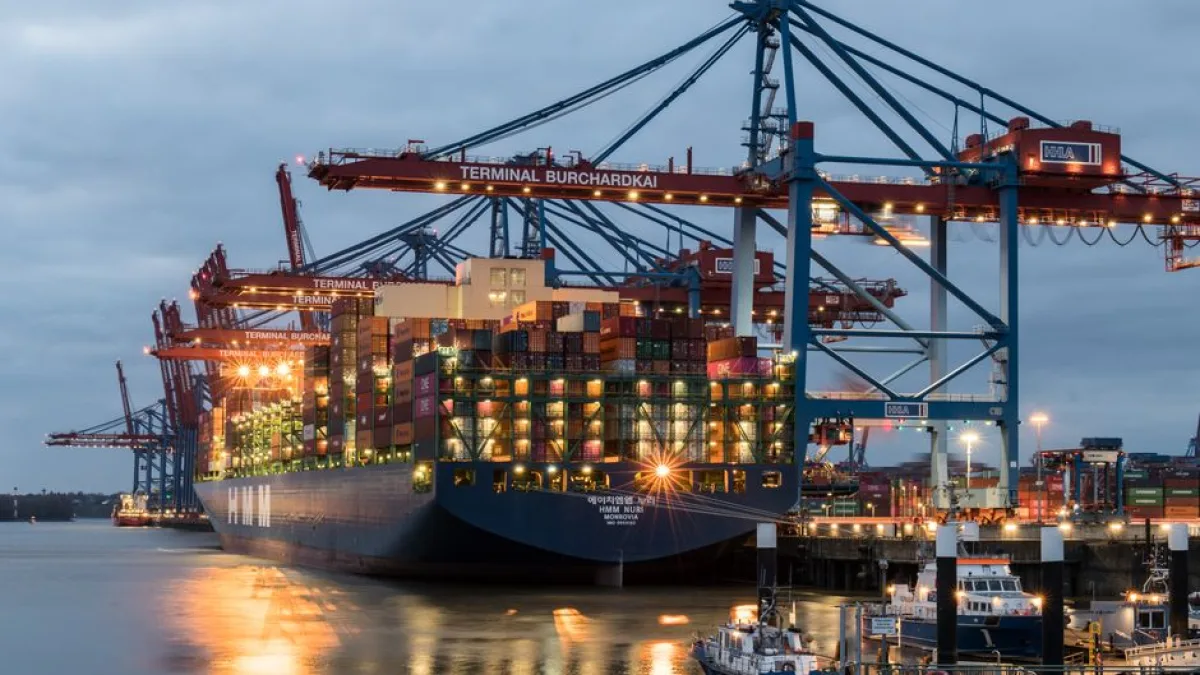
Direct API connections with global carriers represent the gold standard for modern freight management. By removing the latency associated with traditional messaging, your firm can confirm bookings and retrieve status updates instantly to keep operations moving forward without unnecessary delays.
- Instant booking confirmations: Automated API calls verify capacity with carriers in milliseconds, providing your team with immediate confirmation and reducing the time spent waiting for email replies.
- Automated status tracking: Real-time container updates are pushed directly into your management software, ensuring that your tracking portal always displays the most accurate and current shipment information.
- Documentation accuracy improvements: Direct integrations between your platform and carrier systems facilitate seamless document sharing, which prevents discrepancies and speeds up the customs clearance process for exports.
- Reduced manual communication: Minimizing reliance on phone calls and email threads with carrier representatives allows your logistics coordinators to manage more shipments with significantly less administrative overhead.
- Better partner relationships: Reliable and fast data exchange builds trust with carrier partners, which can lead to preferential treatment during peak seasons or when capacity is tight.
Strong carrier integrations are essential for maintaining agility in a volatile shipping environment. By automating the communication loop, forwarders save hours of productive time every single day. This proactive approach to data management ensures that potential issues are identified early, allowing for rapid mitigation strategies. Maintaining constant digital contact with your carrier network is the key to delivering superior reliability to customers.
Automated Compliance Reporting

Navigating the complex landscape of international trade regulations requires precise documentation and timely filing. Integrated compliance tools automatically check your filings against global standards, protecting your firm from costly fines and ensuring that every shipment moves across borders smoothly.
- Real-time regulatory updates: Automated systems monitor changes in international trade laws and alert your team to necessary compliance adjustments before shipments are even cleared at the border.
- Standardized filing processes: Uniform templates ensure that every shipping document adheres to exact international requirements, which dramatically lowers the rejection rate at customs inspection checkpoints worldwide.
- Risk mitigation features: Advanced software scans shipment details for restricted entities or sanctioned locations, providing a vital safety layer that protects your firm from legal vulnerabilities.
- Audit readiness support: Centralized digital archives keep all compliance records in one location, making internal or external audits far less stressful and much faster to complete.
- Streamlined document generation: Automated tools pull data directly from shipment files to generate commercial invoices, packing lists, and bills of lading with minimal human intervention.
Compliance management is a critical pillar of any successful freight forwarding operation. By automating these essential tasks, you remove the guesswork and manual labor that frequently leads to errors. An integrated approach ensures that your firm remains fully compliant while also accelerating document processing times. When your compliance workflow is efficient, you can focus on expanding your service capabilities into new markets.
Enhanced Client Portals

Your clients demand instant access to their logistics data and shipment documentation. A dedicated client portal integrated with your backend software provides this transparency, fostering stronger relationships and demonstrating the professional value your freight forwarding firm delivers on every project.
- Self-service tracking options: Empowering clients to track their own cargo through a secure portal reduces the frequency of routine status requests directed at your operations team.
- Accessible document archives: Clients can securely download invoices, proofs of delivery, and customs paperwork whenever they need them, saving time for both parties during administrative processes.
- Interactive analytics dashboards: Visual reports provide clients with key insights into their logistics performance, including transit times, costs, and shipping frequency trends across their business.
- Personalized notification settings: Users can configure their own alert preferences, ensuring they receive updates regarding their specific shipments through their preferred communication channels at all times.
- Secure information sharing: Encrypted portals provide a safe environment for exchanging sensitive shipping information, which enhances client trust and improves overall communication security across the board.
Giving clients direct access to their own logistics data is a powerful competitive advantage. It demonstrates a commitment to transparency and modern service standards that modern shippers expect. By reducing the noise of routine updates, your team can concentrate on complex problem solving and account management. A well-designed portal is more than just a tool; it is a vital part of your brand.