Optimizing Freight Operations Through Digital Integration
Monday, September 14 2026
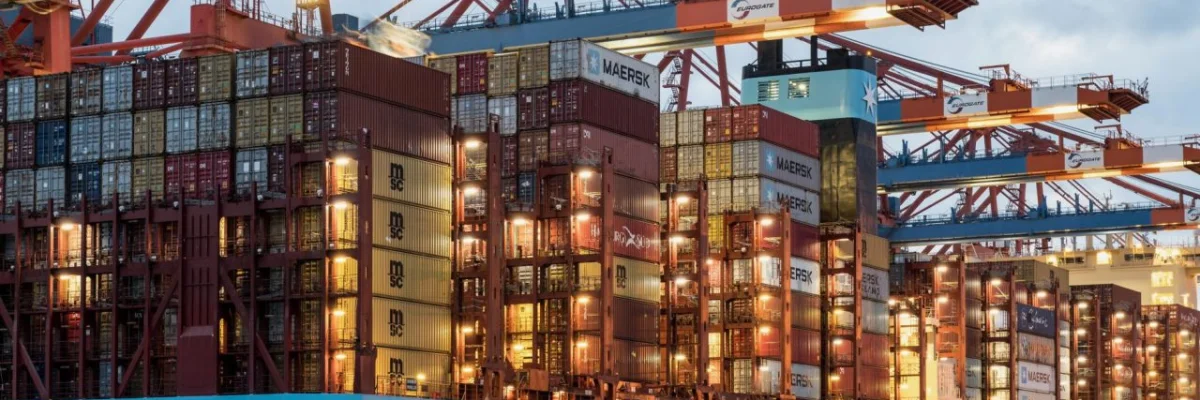
The global logistics landscape is undergoing a massive shift as freight forwarders move away from legacy systems to cloud-based solutions. As supply chain complexities grow, the ability to centralize data becomes the primary competitive advantage for modern logistics companies. Integrating disparate platforms allows teams to bridge the gap between carriers, warehouses, and end customers seamlessly. By adopting robust software like MakeCargo, professionals can eliminate manual data entry errors and gain real-time visibility into their entire shipping network. This digital transformation is no longer a luxury but a fundamental necessity for businesses aiming to scale effectively and maintain high operational efficiency.
API-Driven Data Exchange
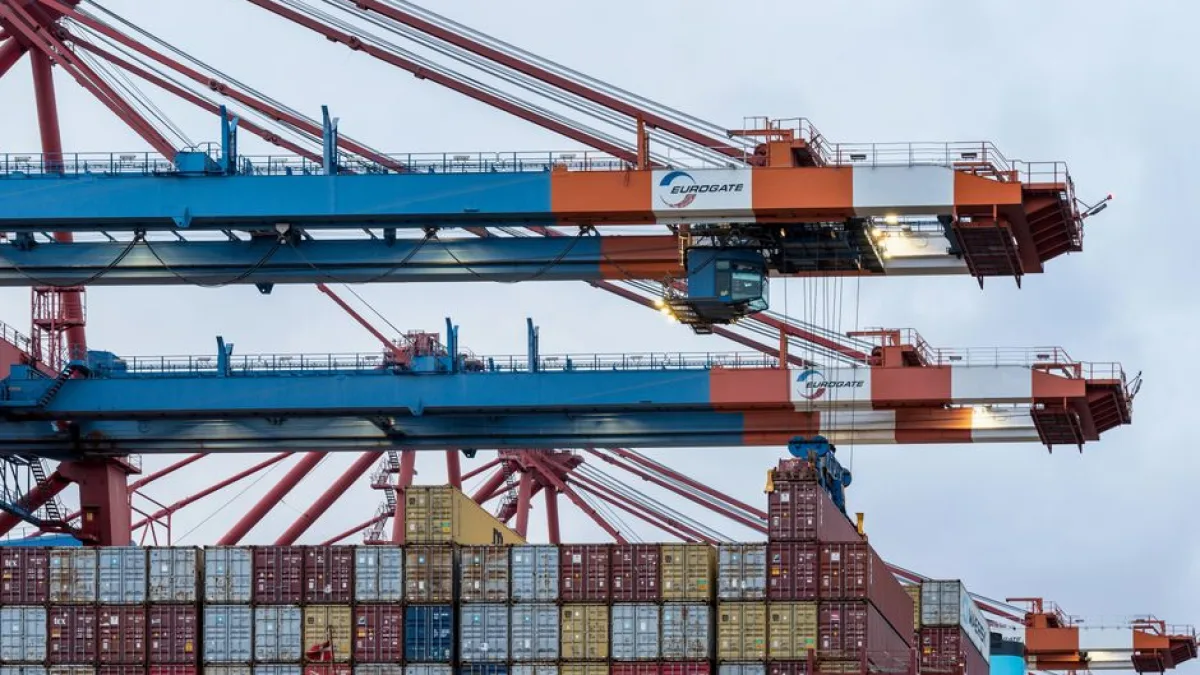
Automated data exchanges enable seamless communication between your freight management system and external carrier portals. This connectivity reduces the need for manual inputs while ensuring that tracking updates are processed immediately, allowing your team to focus on high-value logistics tasks.
- Real-time status updates: Automated API integrations pull live tracking data from carriers directly into your dashboard, providing accurate updates to your customers without requiring manual intervention from your logistics staff.
- Reduced data errors: By eliminating manual re-entry of shipping documents, you minimize the risk of human error that typically occurs when transferring complex data between disconnected software and carrier systems.
- Improved system compatibility: Modern APIs act as a universal language that allows your freight software to talk with accounting tools, warehouse management systems, and various global carrier tracking networks.
- Faster customer responses: Instant access to shipping milestones empowers your customer service representatives to provide precise answers regarding shipment status without needing to call or email the carrier.
Modern freight forwarding relies heavily on the velocity of information sharing. When your software communicates automatically with carrier systems, the administrative burden on your team drops significantly. This automation not only speeds up the booking and tracking process but also creates a more reliable environment for your partners. Embracing these digital connections is the most efficient way to scale your operations without increasing total headcount.
Cloud Visibility Tools

Cloud platforms provide a centralized hub for all your logistics data, making it accessible from anywhere in the world. This transparency helps stakeholders view shipment lifecycles, identify potential bottlenecks early, and maintain a consistent flow of goods across global networks.
- Centralized shipment history: All documents and communication logs are stored in one cloud location, making it incredibly easy for any team member to access information for any active shipment.
- Enhanced team collaboration: Cloud access enables your staff to work from different locations simultaneously, ensuring that critical documents are shared instantly and updates are visible to everyone involved.
- Actionable business insights: Built-in analytics tools aggregate historical performance data, allowing management to identify trends in carrier performance, transit times, and total cost of shipments per lane.
- Scalable infrastructure growth: As your shipping volume increases, cloud platforms handle the additional data load effortlessly, ensuring your system remains fast and responsive regardless of your company growth.
Centralized cloud visibility changes how freight forwarders handle their daily operations. By removing data silos, you ensure that everyone from the warehouse floor to the executive suite sees the same accurate information. This level of transparency builds trust with your clients and allows for better decision making. Investing in a cloud-native platform is a strategic move that prepares your business for future challenges.
Automated Document Management

Automated document handling simplifies the complex paperwork associated with global trade. By utilizing digital templates and cloud storage, forwarders can ensure compliance, speed up customs clearance, and reduce the physical paper trail that often slows down international freight shipments.
- Digital template automation: Standardized document generation features allow your team to create bills of lading and commercial invoices in seconds, pulling data directly from existing shipment files.
- Faster customs clearance: Integrated document workflows ensure that all required permits and declarations are formatted correctly, significantly reducing the likelihood of shipments being held up at borders.
- Secure digital storage: Encrypted cloud storage ensures your sensitive shipping documents are protected against loss or damage while remaining easily retrievable during audits or customer inquiries.
- Simplified document sharing: Instant electronic delivery of finalized shipping documents to shippers and consignees removes the need for physical couriers and saves significant time on every international move.
Effective document management is the backbone of successful freight forwarding operations. When paperwork is handled through automated digital systems, you drastically reduce the risk of delays caused by misplaced files or entry errors. Shifting toward a paperless workflow saves costs and demonstrates a commitment to professional excellence. This transition is vital for forwarders looking to improve their speed and reliability in global trade.
Scalable Carrier Integrations

Connecting with a wide range of global carriers is essential for offering competitive shipping options. Scalable integration tools allow forwarders to quickly onboard new partners and switch between routes, ensuring the best possible service and pricing for every specific shipment requirement.
- Flexible carrier onboarding: Easily plug new shipping partners into your existing workflow, allowing your company to expand into new geographic markets without needing custom development for every new connection.
- Competitive rate comparisons: Integration features allow you to pull live quotes from multiple carriers simultaneously, enabling your team to select the most cost-effective routing for every client.
- Dynamic route planning: Access to integrated carrier network data helps you adjust your routing strategies in real time based on weather, strikes, or port congestion, keeping your freight moving.
- Improved carrier relationships: By automating the routine communication and booking requests, you allow your staff more time to negotiate better terms and maintain stronger relationships with your carriers.
The ability to adapt quickly to changes in carrier availability defines the most successful logistics companies. When your software supports easy integration with diverse carriers, you gain the agility needed to overcome supply chain disruptions. This flexibility ensures that you always provide value to your customers. Maintaining a scalable integration strategy keeps your freight forwarding business resilient and ready for any future market fluctuations.
Conclusion
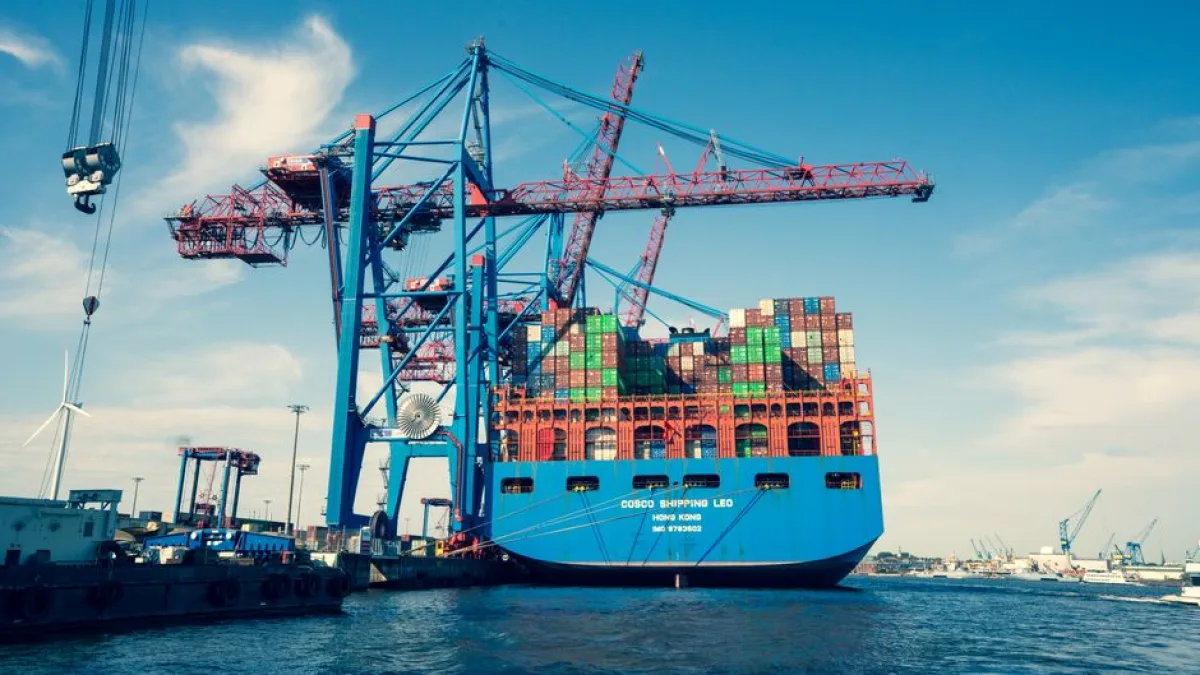
Embracing technological integration is the ultimate path toward modernization for freight forwarders. By centralizing data, automating manual tasks, and leveraging cloud connectivity, you position your firm to handle the demands of modern global trade. MakeCargo provides the necessary tools to streamline these complex processes and boost your operational output. Start your digital transformation today to remain competitive in a rapidly evolving logistics landscape.