Optimizing Freight Operations Through Digital Integration
Friday, September 18 2026
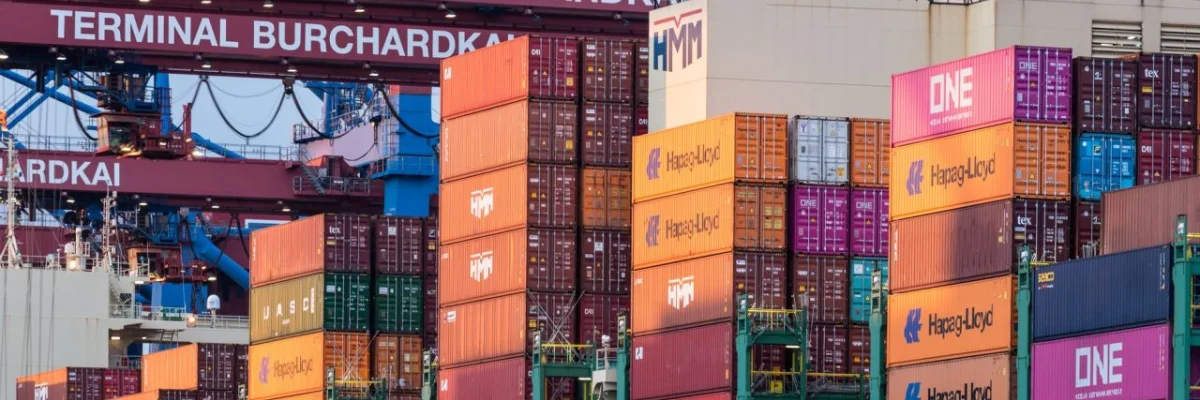
The global logistics landscape is undergoing a massive transformation as modern freight forwarders shift away from manual processes toward unified digital ecosystems. For companies operating in this high pressure industry, the ability to seamlessly connect disparate systems determines the difference between stagnating growth and achieving true competitive advantage. By leveraging cloud based software solutions, forwarders can now automate complex workflows, improve data transparency, and enhance collaboration across international borders. As digital maturity becomes the primary indicator of logistical success, adopting robust technology integrations is no longer a luxury but a fundamental necessity for every forward thinking organization within the logistics sector.
Unified Data Connectivity
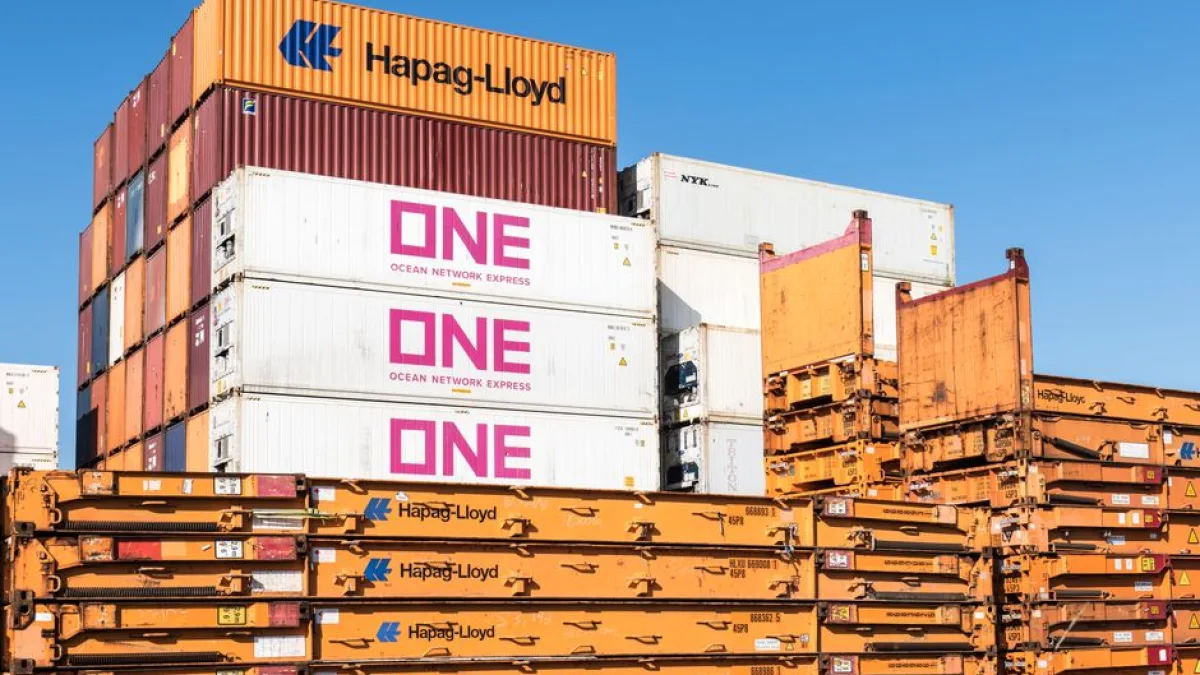
Digital connectivity bridges the gap between fragmented legacy systems and modern requirements. By integrating data sources, teams gain a centralized view of their operations, reducing time spent on manual entry while significantly minimizing the risks associated with human error during documentation.
- Seamless System Synchronization: Automated data exchanges between carrier portals and internal platforms ensure that information remains consistent and accessible in real time for every stakeholder involved in the shipment.
- Real Time Visibility: Integrated tracking modules provide live updates from origin to destination, allowing teams to proactively manage exceptions and communicate precise status reports to their valued clientele.
- Reduced Manual Workload: Eliminating repetitive data input tasks allows professional staff to focus on high value activities like strategic planning and managing complex logistical challenges for their customers.
- Enhanced Data Accuracy: Automated validation protocols detect inconsistencies immediately, ensuring that critical shipping documents are flawless and compliant with international trade regulations before they reach the custom authorities.
Achieving total operational transparency relies on the depth of your software integration strategy. By bridging the gap between siloed departments, forwarders can unify their workflows into a singular, highly efficient stream. This approach not only boosts productivity but also cultivates a culture of precision that clients demand. When every member of your team has access to accurate information, operational delays become significantly easier to prevent.
Automated Workflow Efficiency
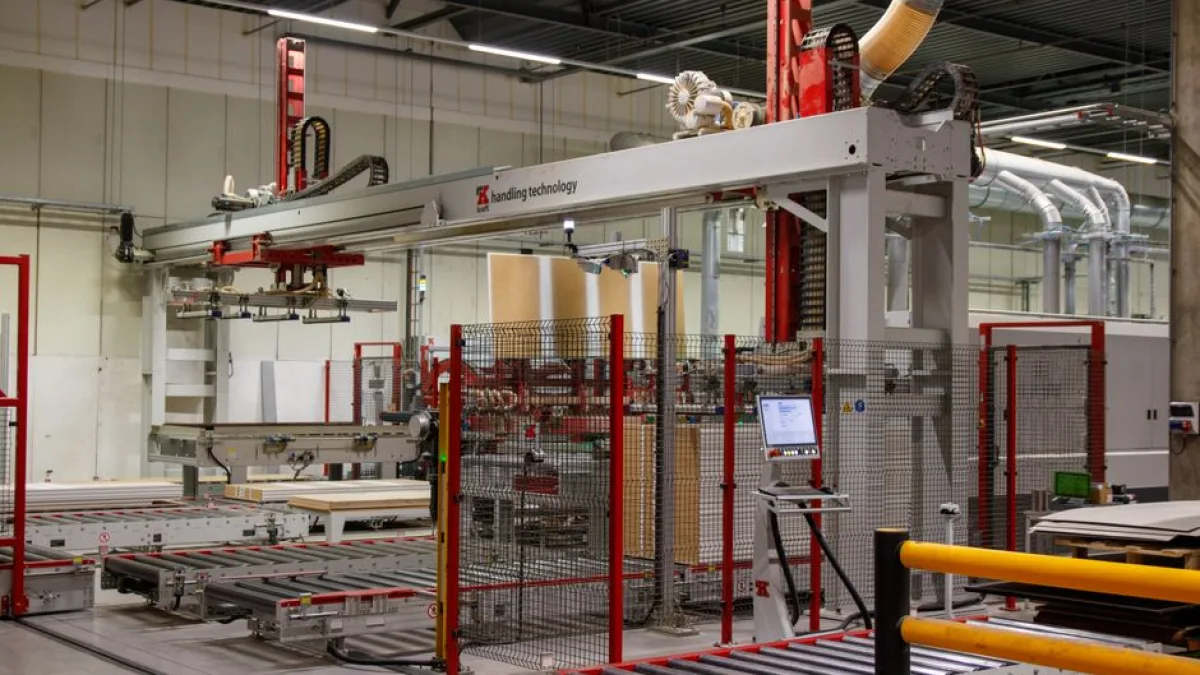
Automation is the heartbeat of a modern freight forwarder, transforming tedious repetitive tasks into rapid, consistent digital actions. By streamlining internal workflows, logistics companies can handle significantly larger volumes without needing to increase their head count or overhead expenses annually.
- Automated Invoice Processing: Smart OCR technology extracts data from invoices automatically, matching them against purchase orders to accelerate the billing cycle and improve overall cash flow management.
- Standardized Document Generation: Intelligent templates populate shipping manifests and bills of lading instantly, ensuring that all regulatory paperwork remains uniform and compliant with global shipping standards.
- Trigger Based Alerts: Automated notifications keep all relevant parties informed about milestone changes, reducing the need for constant status check emails and freeing up your support staff.
- Simplified Task Assignment: Smart workflows route critical tasks to the right specialists automatically, ensuring that no shipment falls through the cracks during the busy peak shipping seasons.
Optimizing your internal processes through automation paves the way for scalable growth and consistent service delivery. By removing the burden of manual administrative chores, your team gains the freedom to prioritize critical problem solving and relationship management. This shift toward intelligent automation allows your business to thrive in a competitive market while ensuring that every shipment is handled with utmost efficiency and care.
Enhanced Client Transparency

Giving clients direct access to their shipment data builds long term trust and loyalty. Through integrated customer portals, freight forwarders can provide a premium digital experience that keeps stakeholders informed and satisfied throughout the entire complex international transit lifecycle.
- Client Access Portals: Secure customer interfaces allow shippers to view their live shipment status, download documents, and track costs without having to contact your support team manually.
- Instant Quote Requests: Integrated quoting tools allow customers to generate rates instantly, providing a fast and professional experience that encourages repeat business and improves your conversion rate.
- Proactive Communication Tools: Automated status updates sent directly to customer dashboards ensure that clients stay informed about transit progress without requiring constant manual intervention from your office.
- Self Service Documentation: Giving customers the ability to download their own proofs of delivery and invoices empowers them while simultaneously reducing the volume of incoming administrative inquiries.
Prioritizing the customer experience through digital transparency is a powerful differentiator in the modern logistics market. When you empower clients with instant access to information, you transform your relationship from a mere service provider into a trusted strategic partner. This level of clarity fosters confidence and encourages long term commitment, ultimately securing your position as a reliable leader within the global freight industry.
Scalable Cloud Architecture

Cloud infrastructure provides the flexibility needed to adapt to changing market conditions and fluctuating shipping volumes. Unlike rigid on-premise setups, a scalable cloud environment supports your business evolution by growing alongside your specific operational needs and global expansion plans.
- Flexible Infrastructure Growth: Cloud resources scale up or down based on your current cargo volumes, ensuring that you only pay for the computational power you actually use.
- Improved Data Security: Advanced cloud encryption and regular automated backups safeguard your proprietary information against cyber threats and accidental data loss, ensuring your operations remain secure always.
- Remote Access Capability: Cloud based systems empower your global team to work from any location, facilitating seamless collaboration across different time zones and regional logistics branch offices.
- Rapid Feature Updates: Software providers push essential updates and new security patches instantly, ensuring that your team always has access to the latest tools without maintenance downtime.
Embracing cloud architecture prepares your freight forwarding business for the challenges of tomorrow. By removing the limitations of physical hardware, you gain the agility required to pivot when global market conditions fluctuate unexpectedly. Investing in a resilient, cloud native foundation ensures that your technology stack remains a powerful asset, consistently supporting your strategic goals and driving sustainable progress for years into the future.
Conclusion

Integrating technology into your freight forwarding operations is the definitive path to achieving superior efficiency and lasting growth. By unifying data, automating workflows, and prioritizing client transparency, your business will stand out in a competitive global market. Start your digital transformation journey today to ensure your organization remains agile, resilient, and ready to meet the evolving demands of international logistics and supply chain management.