Optimizing Freight Operations Through Digital Integration
Thursday, September 24 2026
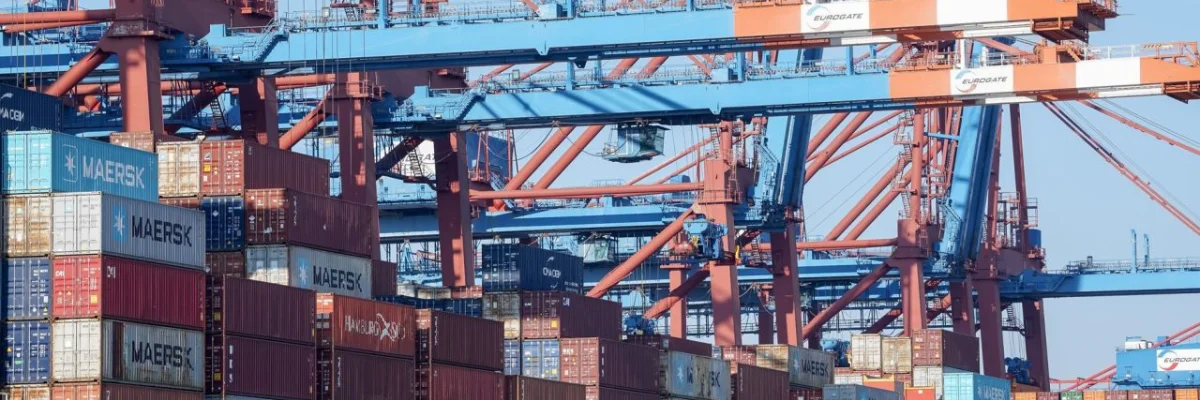
Modern freight forwarding is undergoing a rapid transformation as global supply chains demand higher levels of transparency and speed. Companies are moving away from manual data entry and fragmented communication channels to embrace cloud based platforms that centralize logistics data. This shift allows teams to focus on strategic decision making rather than repetitive administrative tasks. As the industry evolves, those who leverage real time visibility tools will gain a significant competitive edge. By adopting digital solutions, forwarders can enhance accuracy, reduce costly human errors, and provide a superior service experience to their clients in an increasingly complex and interconnected global market environment.
Streamlining Documentation Workflows

Managing endless paperwork is a primary bottleneck for logistics teams. By digitizing documents, forwarders can ensure that every bill of lading and commercial invoice is stored in a central system, allowing for instant retrieval and improved audit compliance across global operations.
- Centralized document management: Consolidate all shipment files within a single cloud platform to eliminate the need for physical filing and reduce the time spent searching for critical shipping documents.
- Automated data extraction: Use advanced recognition software to automatically pull key information from incoming emails and pdf forms to reduce manual entry errors by up to eighty percent.
- Secure cloud storage: Protect sensitive client data and financial records with enterprise grade encryption while ensuring that authorized team members can access files from any global location.
- Collaborative editing tools: Enable multiple team members to review and update shipment documentation in real time to prevent version control issues during high volume peak shipping seasons.
Transitioning to a digital document workflow saves valuable hours every single day for your operations staff. By reducing reliance on manual updates, your team can focus on managing exceptions and building stronger client relationships. This streamlined approach not only boosts overall productivity but also prepares your company to scale efficiently as cargo volumes grow, ensuring you stay ahead of the curve in a fast paced market.
Enhancing Real Time Visibility
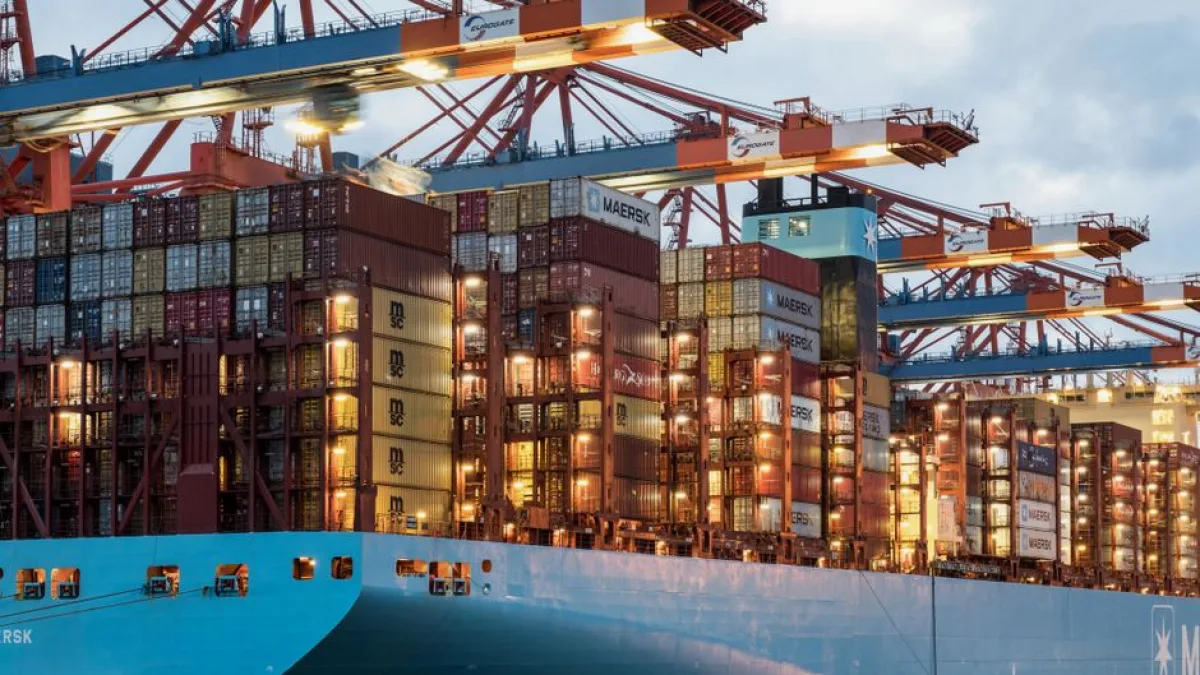
Providing clients with accurate shipment status updates is essential for maintaining trust. Real time tracking integration allows forwarders to monitor cargo locations and identify potential delays before they impact delivery schedules, ensuring proactive management of the entire international supply chain.
- Live tracking integration: Connect your platform directly with carrier data feeds to provide instant status updates on sea and air shipments without calling or emailing external shipping lines.
- Proactive delay alerts: Configure automated notifications that warn your team about potential disruptions like port congestion or weather events so you can inform clients well ahead of time.
- Client portal access: Give your customers the ability to log into a branded portal to see their shipment status, which reduces the volume of status inquiries you receive.
- Data driven insights: Utilize historical tracking data to analyze carrier performance and identify which routes offer the best reliability and transit times for your specific cargo types.
Superior visibility is no longer just a luxury but a fundamental requirement for modern freight forwarders. Clients now expect instant answers regarding their shipment status at any hour of the day. By automating these updates, you free up your staff from repetitive tasks while simultaneously increasing customer satisfaction levels, which leads to better retention rates and a stronger reputation in the logistics industry.
Automating Financial Calculations

Calculating complex freight quotes and handling multiple currency conversions manually is prone to errors. Automated financial modules ensure that every charge, from drayage to terminal handling fees, is calculated accurately based on pre-defined margin rules and current carrier tariffs.
- Instant quote generation: Input cargo details to generate professional customer quotes in seconds using stored carrier rate sheets and your specific profit margin settings for accurate pricing.
- Automated invoice auditing: Compare vendor invoices against original quotes to identify overcharges or hidden fees, ensuring that your company never pays more than the agreed contract rates.
- Currency management tools: Handle international shipments with built in currency conversion features that keep your financial reporting accurate despite fluctuations in global exchange rates during transit times.
- Seamless accounting export: Integrate your operations platform with major accounting software to push financial data directly to your finance team, eliminating duplicate data entry and reconciliation issues.
Automated billing processes significantly improve your cash flow by reducing the time between shipment completion and invoice payment. When financial calculations are consistent and automated, your accounting team spends less time fixing errors and more time managing overall company health. This financial precision provides the stability needed to invest in growth initiatives and handle fluctuating freight market conditions with absolute confidence and ease.
Scaling Through Cloud Systems

Moving your operations to the cloud offers the flexibility needed to handle seasonal spikes in freight volume. A cloud based infrastructure supports remote work, ensures system availability, and allows your logistics business to expand into new markets without needing heavy hardware.
- Remote team access: Enable your global workforce to operate from any location with an internet connection, ensuring business continuity regardless of regional office disruptions or travel needs.
- Rapid system scalability: Adjust your software usage as your company grows, allowing you to add new users or branches to the system without costly hardware upgrades or installations.
- Continuous feature updates: Benefit from automatic software updates that deliver the latest industry tools and security enhancements to your platform without requiring any intervention from your staff.
- Robust data security: Rely on professional cloud providers to handle backups and server maintenance, keeping your critical business data safe from physical threats or local computer failures.
Cloud systems provide the technical foundation for a resilient logistics business in a volatile global economy. By removing the constraints of local hardware, your organization becomes more agile and responsive to market shifts. Investing in cloud based freight software is a strategic decision that supports long term scalability and operational success, helping you maintain a consistent level of service regardless of external challenges.
Conclusion

Digital transformation is the most effective path forward for modern freight forwarders seeking to improve efficiency and scale operations. By implementing cloud based tools for documentation, visibility, and finance, your team can eliminate manual bottlenecks and focus on high value tasks. Embrace these technology solutions today to enhance your service delivery, satisfy clients, and build a more resilient logistics business for the future.