Optimizing Freight Operations Through Digital Integration
Saturday, September 26 2026

Modern freight forwarding is undergoing a profound transformation driven by rapid technological adoption and the shift toward fully digitized workflows. As global supply chains grow increasingly complex, professionals must move beyond legacy manual systems to remain competitive in a volatile market. Integrating cloud-based platforms allows forwarders to centralize data, improve communication, and gain real-time visibility into every shipment lifecycle. This article explores the strategic advantages of adopting sophisticated software integrations, empowering your team to reduce operational friction and deliver superior value to clients while preparing your logistics business for the demands of a high-speed, data-driven global trade environment.
Seamless Data Synchronization
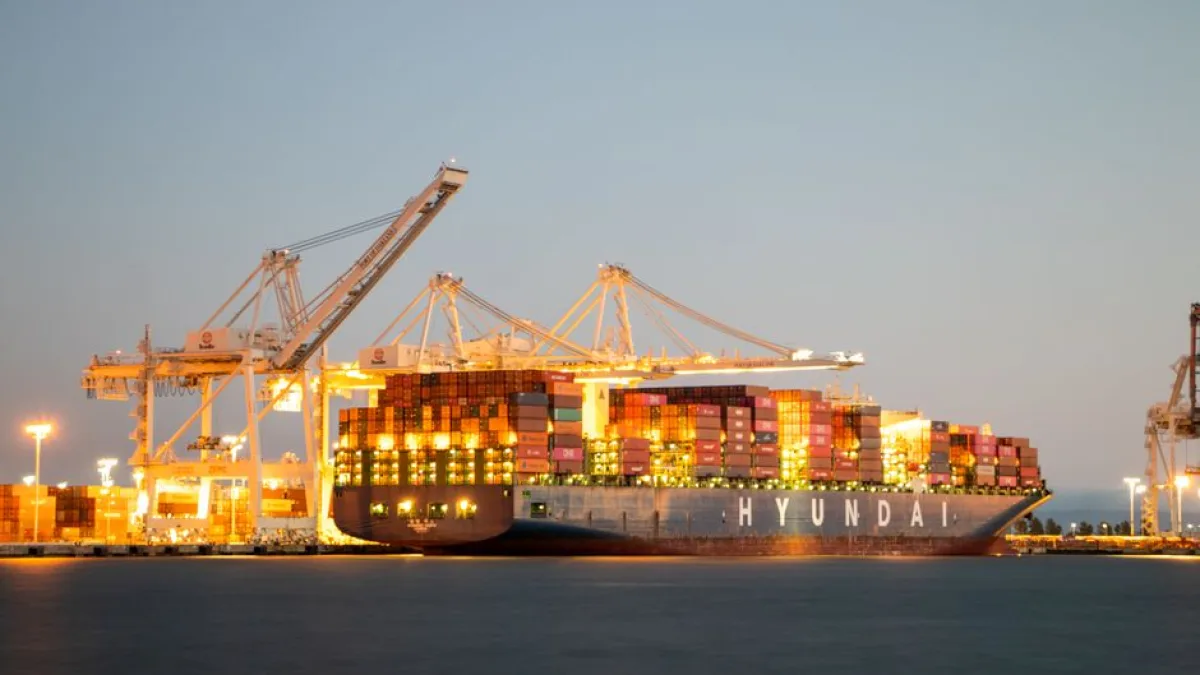
Synchronizing data across multiple platforms ensures that every stakeholder remains aligned with the latest status updates for all shipments. Eliminating manual entry reduces common human errors, which frequently lead to costly delays and misinformation during critical port-to-port transit phases.
- Automated Data Entry: Implement automated systems to capture documents directly from carriers and shippers to prevent manual typing mistakes that often occur during high volume periods in the warehouse.
- Real-time API Connections: Utilize robust API integrations to connect your software directly with shipping lines and customs authorities for instantaneous status updates across your entire digital logistics network.
- Centralized Cloud Storage: Store all essential shipping documentation in a single secure cloud environment to ensure that authorized personnel can access vital records from any remote location globally.
- Eliminate Information Silos: Break down departmental barriers by using integrated platforms that allow sales, operations, and accounting teams to view the same accurate data without needing additional communication.
By removing manual data tasks, forwarders can reclaim valuable time previously wasted on administrative overhead. This shift allows employees to focus on high-value client services rather than repetitive clerical work. When data flows effortlessly between your TMS and external partners, your operations become more resilient, transparent, and capable of handling complex logistics demands without the risk of information bottlenecks impacting your bottom line.
Enhanced Shipment Visibility
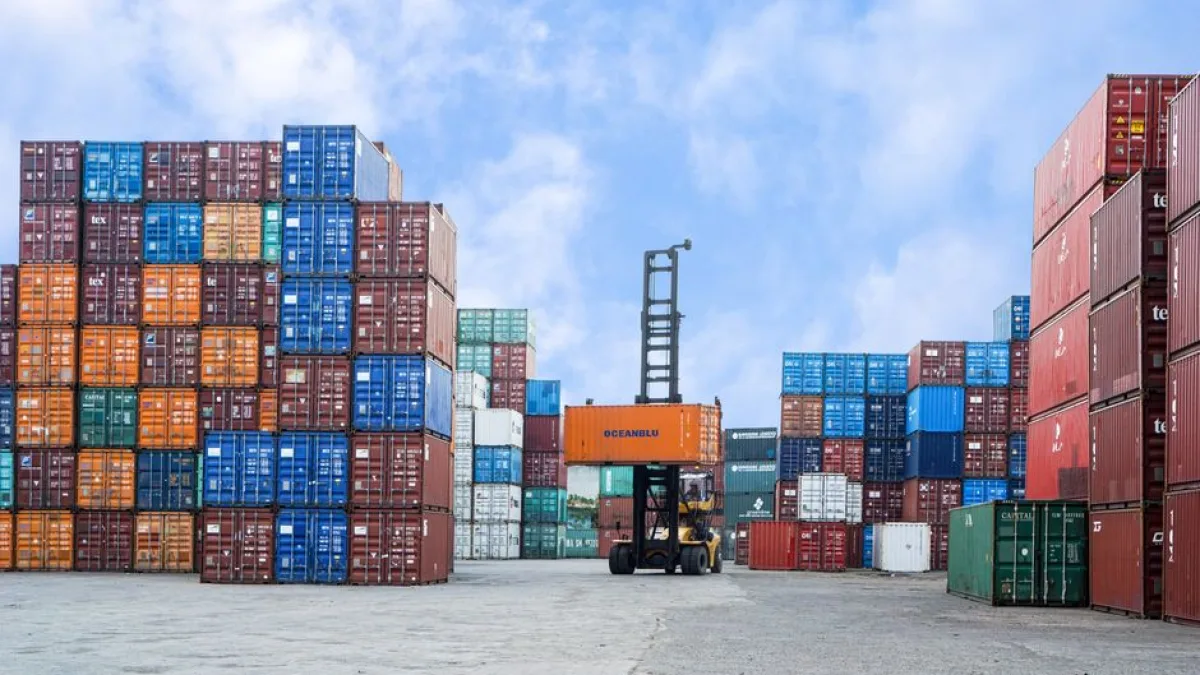
Achieving total shipment visibility requires a cohesive integration strategy that pulls data from various carriers and regional hubs. This transparency helps freight forwarders proactively identify potential disruptions and communicate effective solutions to their clients before problems escalate further.
- Live Tracking Systems: Integrate GPS and satellite tracking feeds into your dashboard to provide clients with precise, real-time location data for their goods during ocean or air transit.
- Proactive Exception Management: Configure your software to trigger automated alerts whenever a shipment deviates from its planned schedule, allowing for immediate corrective actions by your logistics support team.
- Customizable Client Portals: Offer your customers branded tracking portals where they can independently verify the current status of their cargo without needing to contact your operations staff.
- Predictive Arrival Estimates: Use integrated historical data and current transit conditions to provide clients with highly accurate delivery windows that minimize wait times at the final destination.
Visibility serves as the backbone of modern customer service expectations in the logistics sector. Clients now demand instant access to their cargo journey from origin to final destination. By providing this level of digital oversight, you build significant trust and long-term loyalty with partners. These integrated tools help you convert raw shipment data into clear, actionable insights for every stakeholder involved.
Financial Workflow Automation

Integrating your freight software with accounting systems streamlines the entire financial cycle from quotation to final invoice settlement. This automation reduces payment processing times and improves the accuracy of cost allocation across diverse international shipping projects and complex contracts.
- Integrated Billing Cycles: Automatically generate invoices based on completed freight milestones to ensure that your company gets paid faster and maintains a healthy cash flow throughout the year.
- Currency Conversion Tools: Utilize automated exchange rate updates to calculate international freight costs precisely, protecting your margins against sudden fluctuations in the global currency exchange markets daily.
- Cost Management Analytics: Leverage integrated reporting modules to identify hidden costs or inefficient routes, allowing you to refine your pricing strategy and improve your overall profitability margins.
- Audit Trail Integrity: Maintain a clear digital audit trail for every financial transaction within your software to simplify compliance reporting and ensure transparency for your auditing partners.
A digitized financial department is essential for any growing freight forwarding business that handles numerous international accounts simultaneously. Automation removes the stress of month-end reconciliation by matching invoices against original quotes and carrier bills with high accuracy. This stability enables owners to scale their operations confidently, knowing that their back-office systems are fully optimized to support increased shipping volumes without extra overhead.
Strategic Vendor Partnerships
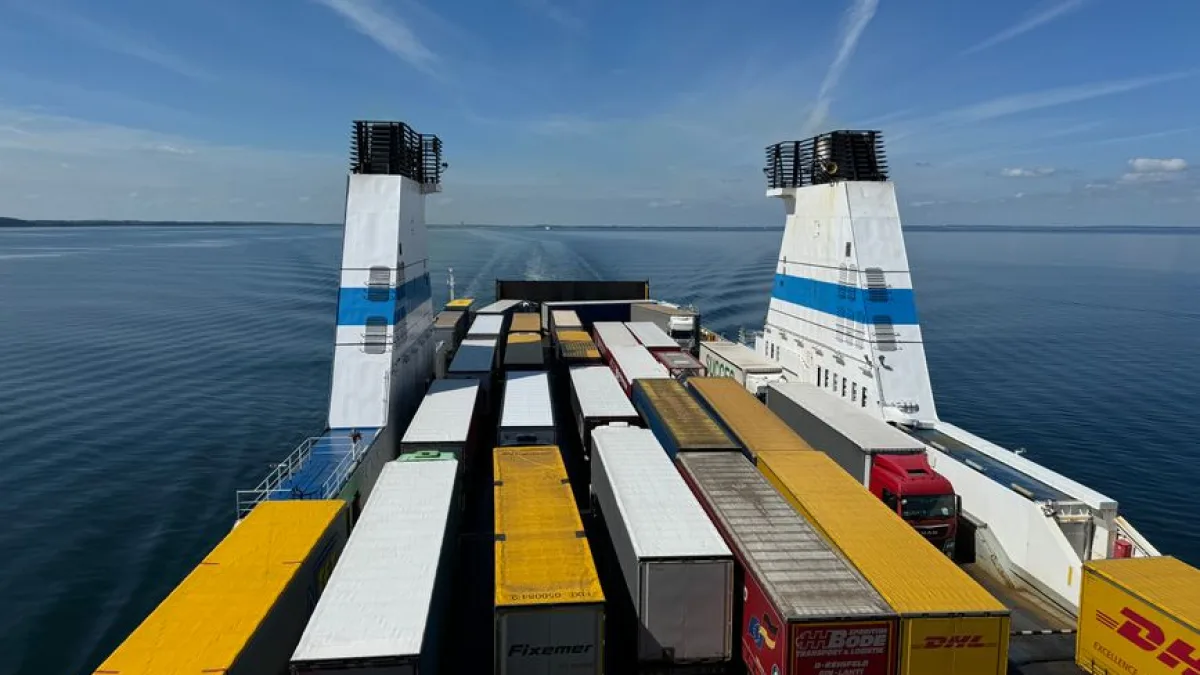
Collaborating with third-party vendors via integrated digital platforms creates a unified ecosystem that benefits all parties involved in the global supply chain. This interconnected approach facilitates faster communication and more efficient coordination of multimodal transport services for complex cargo requirements.
- Collaborative Carrier Portals: Invite your preferred carriers to use a dedicated portal for uploading booking confirmations and status updates directly into your main management software system efficiently.
- Streamlined Customs Documentation: Connect with local customs brokers to submit and receive clearance documents instantly, reducing the time your shipments spend waiting at busy border crossing points.
- Standardized Communication Channels: Replace scattered email chains with integrated messaging tools that attach conversations directly to specific shipment files for improved record keeping and future reference needs.
- Scalable Integration Options: Choose software solutions that support modular add-ons so you can expand your network of partners as your business grows and your service offerings evolve.
Building a digital network of partners transforms how you manage regional logistics challenges on a global scale. By standardizing the way information is exchanged between your forwarder firm and your carriers, you reduce the time lost to miscommunication. A well-integrated vendor ecosystem ensures that your supply chain remains fluid, responsive, and capable of adapting to market changes with minimal disruption for your clients.
Conclusion

Embracing digital integration is no longer optional for freight forwarders who want to excel in a competitive market. By automating data flows, enhancing visibility, and digitizing financial processes, your business gains a significant edge. Modern software solutions empower your team to operate with precision and speed, ultimately creating a more sustainable and profitable logistics enterprise. Now is the time to optimize your infrastructure.