Optimizing Freight Operations Through Digital Integration
Thursday, October 1 2026

The modern logistics landscape demands unprecedented levels of connectivity and speed to remain competitive in a volatile global market. Freight forwarders often struggle with fragmented legacy systems that impede real-time visibility and increase manual data entry errors. By adopting a cloud-based ecosystem, businesses can bridge these gaps, ensuring that every shipment is tracked with precision from origin to final destination. This digital transformation represents more than a simple operational upgrade; it is a fundamental shift toward data-driven decision-making. Embracing these advanced technological integrations allows teams to streamline complex workflows and focus on delivering superior customer service across international borders.
Seamless Data Synchronization
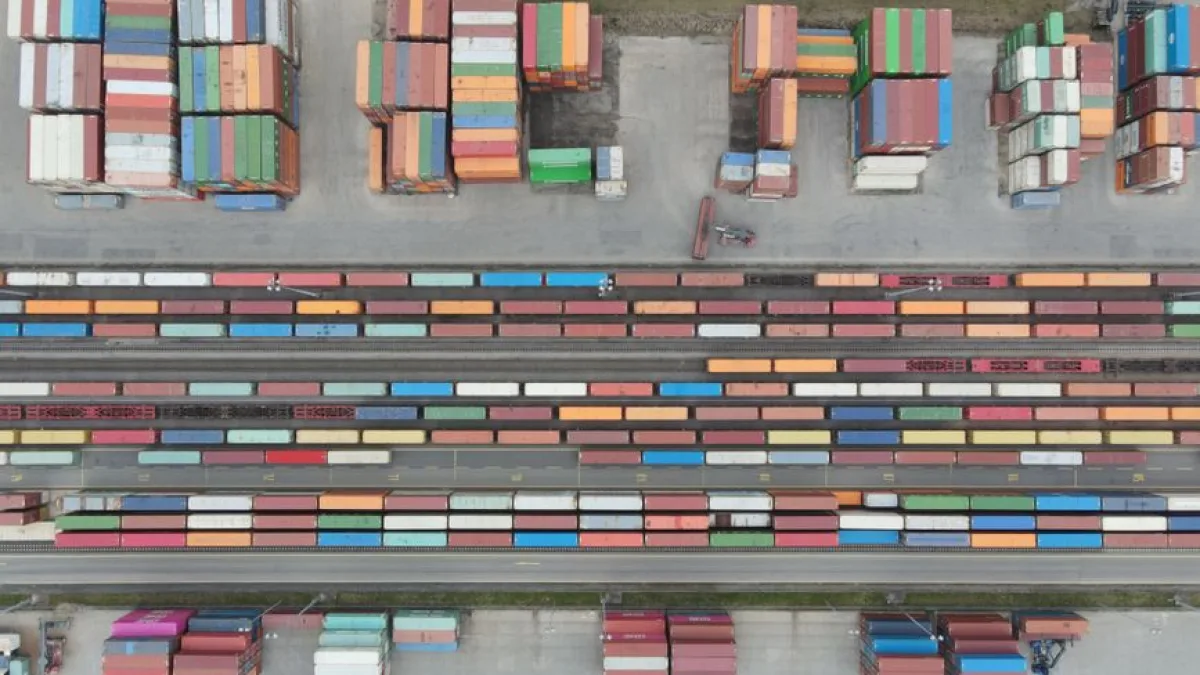
Real-time data synchronization transforms how teams interact with complex supply chain information. By unifying disparate systems into one cloud platform, logistics companies remove the risk of information silos and ensure that every stakeholder accesses identical, verified shipment data instantly.
- Automated Data Entry: Implementing intelligent automation tools reduces the manual workload on your staff while simultaneously eliminating common clerical errors that occur during the repetitive manual input of critical shipment documents.
- Centralized Documentation Hub: Consolidating all bills of lading and commercial invoices into a secure digital environment ensures that authorized personnel can retrieve vital shipping records without searching through physical archives.
- Enhanced System Interoperability: Connecting your platform with external carrier APIs facilitates a smooth flow of information, allowing for rapid updates regarding vessel statuses and cargo movements across different international networks.
- Standardized Reporting Formats: Creating consistent reporting structures helps management teams analyze performance metrics more effectively, providing a clear overview of operational bottlenecks and identifying opportunities for cost reduction across all routes.
Achieving total synchronization requires a commitment to cloud-first architecture that prioritizes accuracy and accessibility. When your entire team relies on a single source of truth, efficiency gains emerge naturally from reduced communication overhead. Forwarders who prioritize these digital bridges see immediate improvements in operational velocity, allowing them to scale their business operations effectively without being held back by the constraints of legacy information processing.
Enhancing Carrier Collaboration
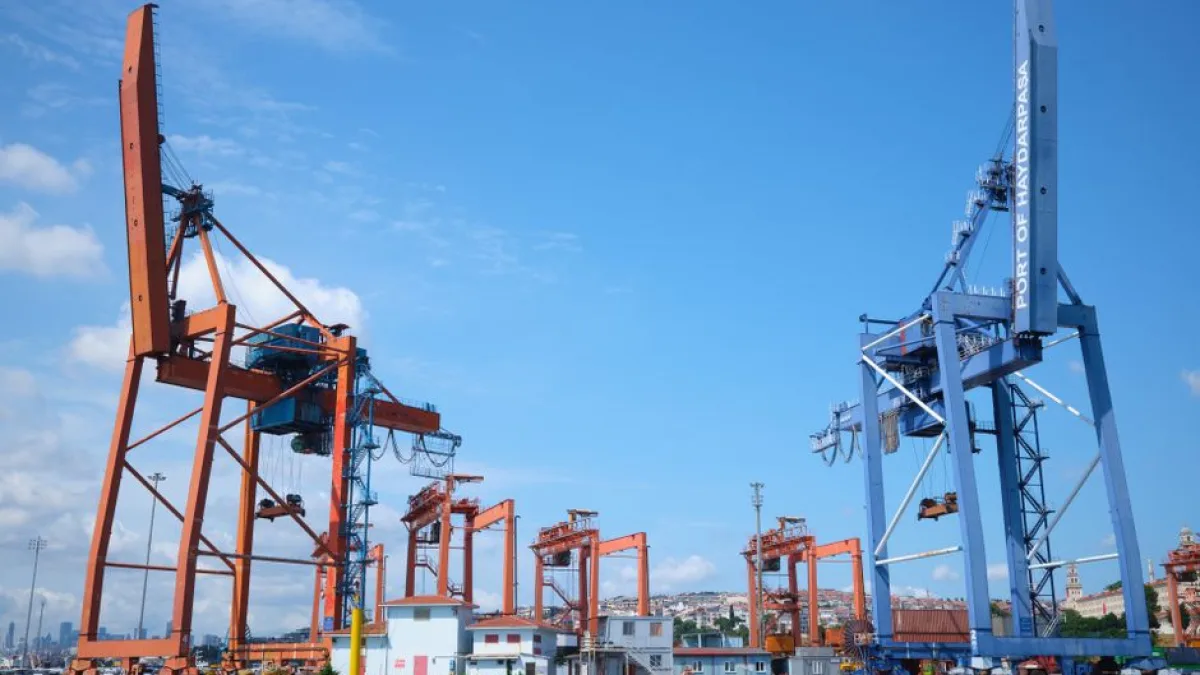
Strong partnerships with carriers rely on transparent communication channels facilitated by modern software. Integrating your platform with global carrier systems enables automatic tracking updates, providing your clients with the granular shipment visibility they demand throughout the entire transport lifecycle.
- Instant Status Updates: Leveraging integrated carrier APIs allows your platform to receive automatic notifications, ensuring that arrival times and vessel delays are captured as soon as they occur globally.
- Streamlined Booking Requests: Submitting booking requests directly through the integrated software portal accelerates the initial shipment phase, saving valuable time compared to traditional email-based processes used by competing forwarding firms.
- Accurate Rate Management: Maintaining live access to carrier rate sheets prevents pricing discrepancies, ensuring that your quotes remain competitive and profitable while minimizing the time spent on manual rate research.
- Improved Dispute Resolution: Maintaining an audit trail of all electronic interactions with carriers helps resolve billing discrepancies quickly, preserving healthy business relationships and ensuring smoother operations for future cargo shipments.
Effective collaboration transforms carriers from simple service providers into strategic partners in your logistics value chain. By reducing the friction associated with basic status inquiries and booking confirmations, your team regains time to address higher-level logistical challenges. This enhanced coordination fosters a proactive culture where potential delays are managed long before they become critical issues, directly improving the overall reliability of your service.
Advanced Analytics and Insights

Data analytics tools turn raw shipment records into actionable business intelligence. By leveraging powerful reporting features, forwarders can identify patterns in route efficiency and customer behavior, allowing for smarter resource allocation and improved profitability in every single shipping lane.
- Predictive Route Planning: Utilizing historical traffic and delay data allows your planning team to select the most reliable transport routes, minimizing the risk of transit time fluctuations for clients.
- Cost Performance Tracking: Analyzing expense data per shipment provides a clear picture of your profit margins, helping you identify which specific lanes or carrier combinations deliver the best value.
- Customer Behavior Analysis: Monitoring trends in your client booking volume helps you anticipate seasonal capacity needs, allowing your operations team to prepare resources well before peak shipping demand surges.
- Customized Performance Dashboards: Building tailored visual dashboards enables leadership to monitor key performance indicators in real time, facilitating rapid adjustments to company strategy based on live operational output metrics.
Harnessing the power of your data is no longer optional for companies aiming for sustainable growth. When insights are readily available, leaders can move away from reactive troubleshooting and toward strategic expansion. Transforming your software into an analytical powerhouse ensures that every decision made by your logistics managers is backed by concrete evidence rather than guesswork, which protects your bottom line consistently.
Future-Proofing Your Operations

Preparing for future industry shifts requires a scalable cloud platform that evolves with technological trends. By prioritizing modular integrations, your business maintains the flexibility to adopt emerging tools like artificial intelligence or blockchain without needing a complete system overhaul later.
- Scalable Cloud Infrastructure: Adopting a flexible software foundation allows your logistics platform to grow alongside your increasing shipment volume, ensuring high performance regardless of how large your company becomes.
- Regulatory Compliance Support: Automated software updates ensure your platform stays aligned with changing international trade regulations, significantly reducing the administrative burden of manually tracking complex global customs requirements.
- Modular Software Upgrades: Selecting a platform with a modular design allows you to add new features or integrations as needed, ensuring that you only pay for the specific tools required.
- Cybersecurity Protocols: Implementing advanced data encryption and security standards ensures that your sensitive supply chain information remains protected against increasing digital threats, maintaining trust with your clients.
Scalability and security act as the pillars of long-term business resilience in the logistics sector. Investing in a future-ready software architecture shields your operations from obsolescence while positioning your company as an agile leader. As international standards change, your ability to adapt quickly will differentiate you from competitors, ensuring your team remains capable of meeting the complex demands of modern supply chains.
Conclusion

Mastering digital integration is the most significant step toward achieving operational excellence in freight forwarding today. By unifying systems, collaborating with carriers, and utilizing data analytics, your firm can reach new levels of efficiency and client satisfaction. Explore the capabilities of MakeCargo to see how we help forwarders build a connected, future-proof logistics business. Start your digital transformation journey with us today.