Optimizing Freight Operations Through Digital Integration
Friday, October 9 2026
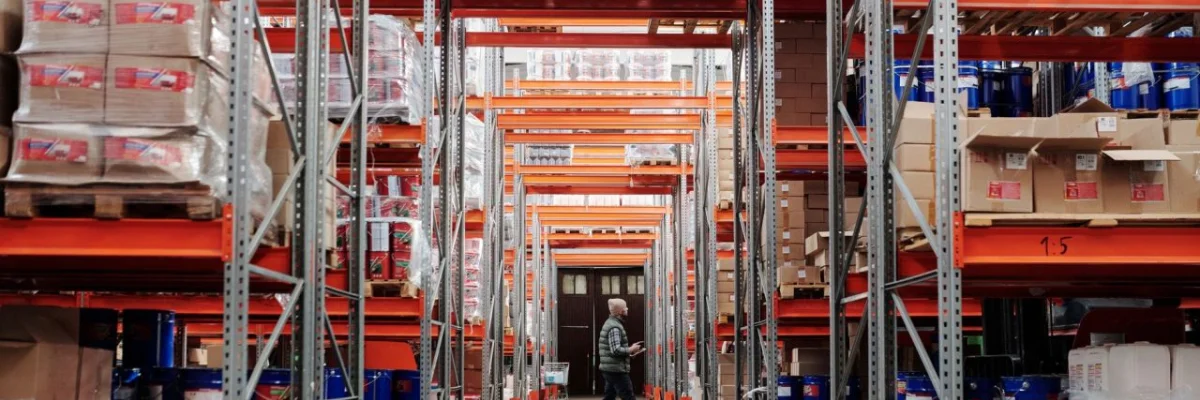
The modern logistics landscape demands unprecedented speed and accuracy, forcing freight forwarders to move beyond legacy manual processes. As global supply chains grow increasingly complex, the shift toward cloud-based software platforms has become a necessity rather than a luxury. By adopting integrated digital tools, businesses can unify fragmented workflows, improve data visibility, and enhance collaboration across international borders. This transformation is not merely about upgrading hardware but about fostering an ecosystem where real-time information drives better decision-making. As MakeCargo continues to support industry leaders, we see how seamless technology adoption serves as the ultimate competitive advantage for forward-thinking freight forwarders navigating today's volatile market.
Automated Workflow Management
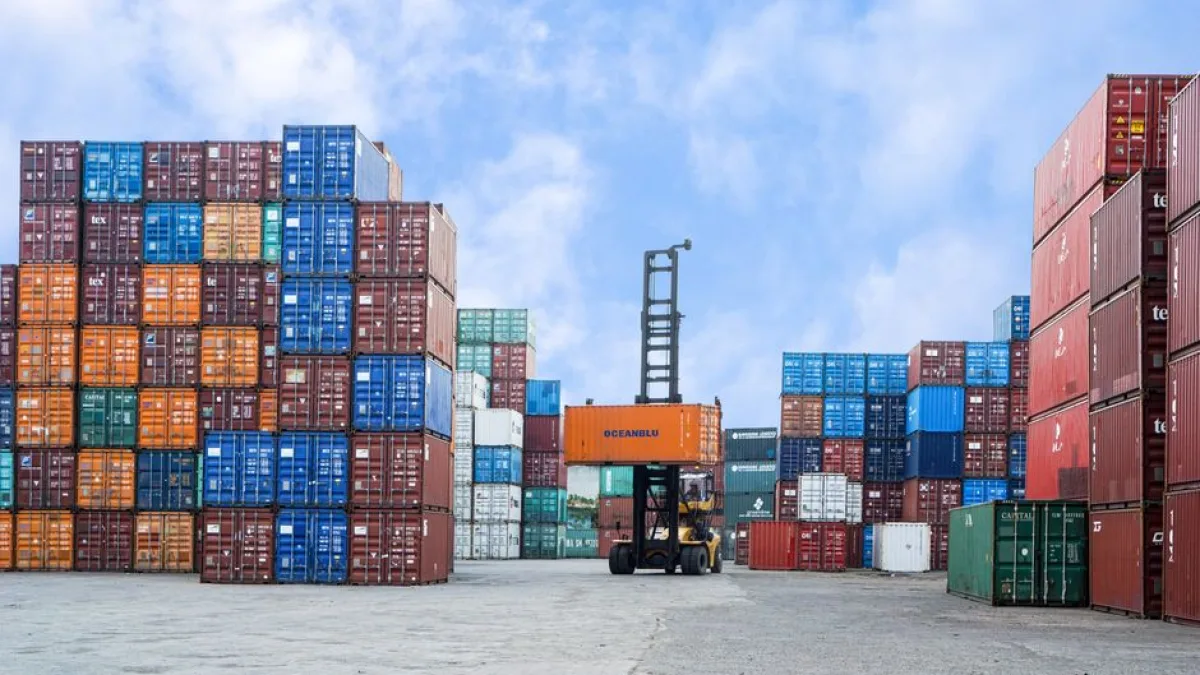
Digital automation acts as the backbone of modern freight forwarding, removing repetitive tasks that drain team productivity. By utilizing centralized software, companies can replace manual data entry with automated streams, ensuring every shipment receives accurate documentation and tracking updates without requiring constant human intervention.
- Eliminate manual entry: Automated systems capture data directly from emails and documents to prevent costly human errors that typically occur when staff manually type shipment details into complex software.
- Standardized data flow: Establishing a single source of truth ensures that all departments access uniform information, preventing discrepancies that often cause delays during critical customs clearance procedures.
- Faster document processing: Digital templates streamline the creation of house bills of lading and commercial invoices, allowing your team to generate paperwork in seconds instead of long hours.
- Error reduction strategies: Robust validation protocols flag missing or incorrect data points immediately, which significantly lowers the risk of non-compliance fines from international port and customs authorities.
By automating repetitive daily tasks, your logistics team gains the freedom to focus on high-value client relationships and strategic growth. Removing the burden of manual paperwork reduces staff burnout and elevates the overall quality of service provided to shippers. These efficiency gains translate into lower operating costs and a faster turnaround for every active shipment file handled within your cloud-based freight forwarding platform.
Enhanced Supply Chain Visibility

Real-time visibility empowers forwarders to monitor cargo status from origin to final delivery, providing shippers with the transparency they demand. Integrating live tracking data into your dashboard keeps stakeholders informed, fostering long-term trust and allowing for proactive problem resolution during transit.
- Real-time shipment monitoring: Constant updates from carriers allow your platform to display exact location data for every container, ensuring that you always stay ahead of potential delays.
- Proactive status alerts: Automated notification systems instantly trigger messages to clients when containers hit specific milestones, which drastically reduces the volume of repetitive inquiry emails for staff.
- Data driven insights: Aggregated shipping reports help managers identify bottlenecks in specific trade lanes, enabling them to optimize routes and select more reliable carrier partners for future.
- Customer portal access: Providing clients with a self-service dashboard improves satisfaction scores by giving them the power to track shipments at their own convenience without calling.
Transparency has become the primary metric by which shippers judge their logistics providers in the current environment. When your platform provides clear, actionable data, you position your brand as a reliable partner capable of navigating global uncertainty. This level of visibility builds long-term loyalty and makes your company an indispensable asset for your clients during periods of significant global supply chain disruption.
Seamless Carrier Integration

Integrating directly with ocean and air carriers allows for the smooth exchange of schedules, booking requests, and status updates. This connectivity minimizes the friction of switching between multiple carrier websites, creating a cohesive digital environment where all your logistics operations are managed efficiently.
- API based connectivity: Direct application programming interface connections allow your software to communicate with carriers automatically, speeding up the booking process and ensuring data accuracy throughout cycles.
- Unified booking interface: A single portal allows your team to request quotes and manage bookings across multiple carriers without the need to log into various separate portals.
- Schedule synchronization: Automated updates to vessel schedules ensure your team always works with the latest information, preventing missed connections and costly storage fees at the ports.
- Cost effective logistics: Streamlined carrier communications lead to better load consolidation and route optimization, which helps you reduce overall freight expenditure and improve profit margins consistently.
Digital connectivity with carriers is no longer an optional feature but a core requirement for remaining competitive. By consolidating all carrier interactions into one integrated interface, your operations team avoids the pitfalls of fragmented communications. This unified approach simplifies the booking cycle and ensures that your internal data remains perfectly aligned with the actual status of cargo moving through the global network.
Scalable Cloud Infrastructure

Cloud-based technology offers the scalability required to grow your business without the overhead of physical IT infrastructure. By utilizing the cloud, freight forwarders ensure their systems remain accessible from anywhere, fostering a flexible work environment that adapts to shifting market demands and global expansion.
- Remote work flexibility: Cloud access ensures that your logistics staff can manage critical shipments from any location globally, keeping operations running smoothly during unexpected office closures or travel.
- Automatic software updates: Cloud platforms push regular feature updates to your system automatically, meaning you always benefit from the latest security patches and cutting-edge logistics tools available.
- Data security protocols: Enterprise grade encryption protects your sensitive shipment information from cyber threats, ensuring that your company meets international standards for data privacy and regulatory compliance.
- Cost management efficiency: Subscription models allow you to manage expenses based on actual usage, providing a scalable solution that fits your specific needs as your business expands.
Modern cloud infrastructure provides a robust foundation for building an agile and responsive freight forwarding business. Because the system scales alongside your growth, you avoid the heavy capital investments traditionally required for server maintenance. Embracing these flexible digital tools allows your firm to remain nimble, ensuring you stay ahead of competitors while maintaining a high standard of service for every global customer.
Conclusion

Digital integration is the definitive path forward for freight forwarders looking to thrive in a competitive market. By automating workflows, increasing transparency, and leveraging cloud technology, you build a resilient business ready for future challenges. Start optimizing your operations today with MakeCargo to see immediate improvements in productivity and client satisfaction. Your journey toward a more efficient and profitable logistics future begins with better software.