Optimizing Freight Operations Through Digital Integration
Sunday, October 11 2026
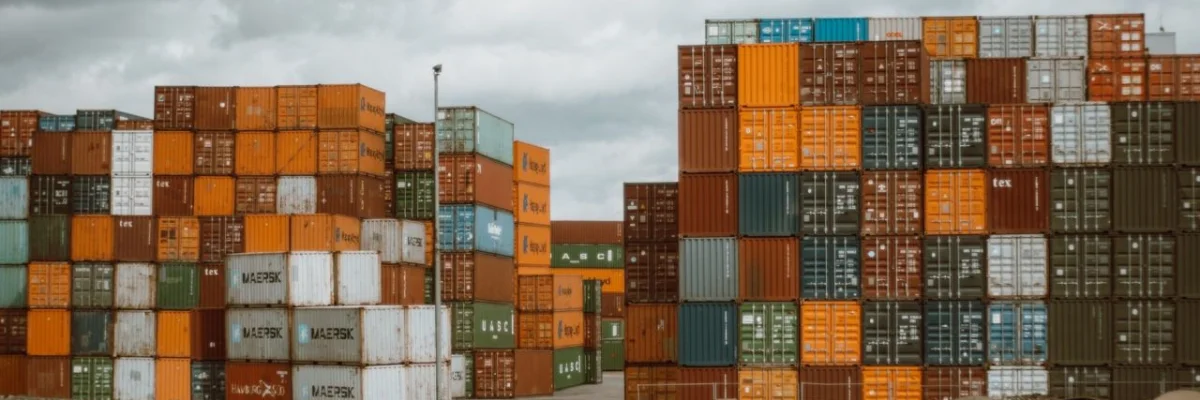
The global logistics landscape is undergoing a massive transformation driven by the rapid adoption of cloud-based freight forwarding software. Forwarders are increasingly moving away from manual, paper-based workflows toward highly automated digital ecosystems. This shift is not merely about digitizing documents but about creating seamless connectivity across the entire supply chain. By integrating specialized software solutions, freight professionals can eliminate data silos, reduce human errors, and drastically increase operational speed. Leveraging modern technology platforms like MakeCargo allows businesses to remain competitive in a volatile market while delivering superior visibility and service to clients throughout the complex lifecycle of international shipments.
Centralized Data Management

Centralized data management serves as the heartbeat of a modern freight forwarding enterprise. By unifying disparate information sources into a single cloud platform, teams can access accurate, real-time shipment details that empower faster decision making and reduce the reliance on fragmented spreadsheets.
- Unified data repository: Consolidating all your shipment records in one secure location prevents information loss and ensures every team member accesses the same live data during daily operations.
- Real-time visibility: Instant access to shipping schedules and milestone updates allows managers to anticipate delays before they impact the bottom line for your valued shipping customers.
- Automated file storage: Digital document management systems organize commercial invoices and packing lists automatically, which saves hours of manual work for your logistics coordinators each week.
- Enhanced team collaboration: When data is centralized, communication between sales, operations, and accounting departments improves because everyone works from the same set of confirmed logistical facts.
Transitioning to a centralized database is the most effective way to eliminate operational bottlenecks. By removing the need for manual record reconciliation, your staff can focus on high-value tasks that drive revenue growth. This structural change fosters a culture of transparency and accuracy that is essential for scaling a logistics business in the modern era, ensuring your company thrives amidst increasing global trade complexities.
Automated Workflow Efficiency
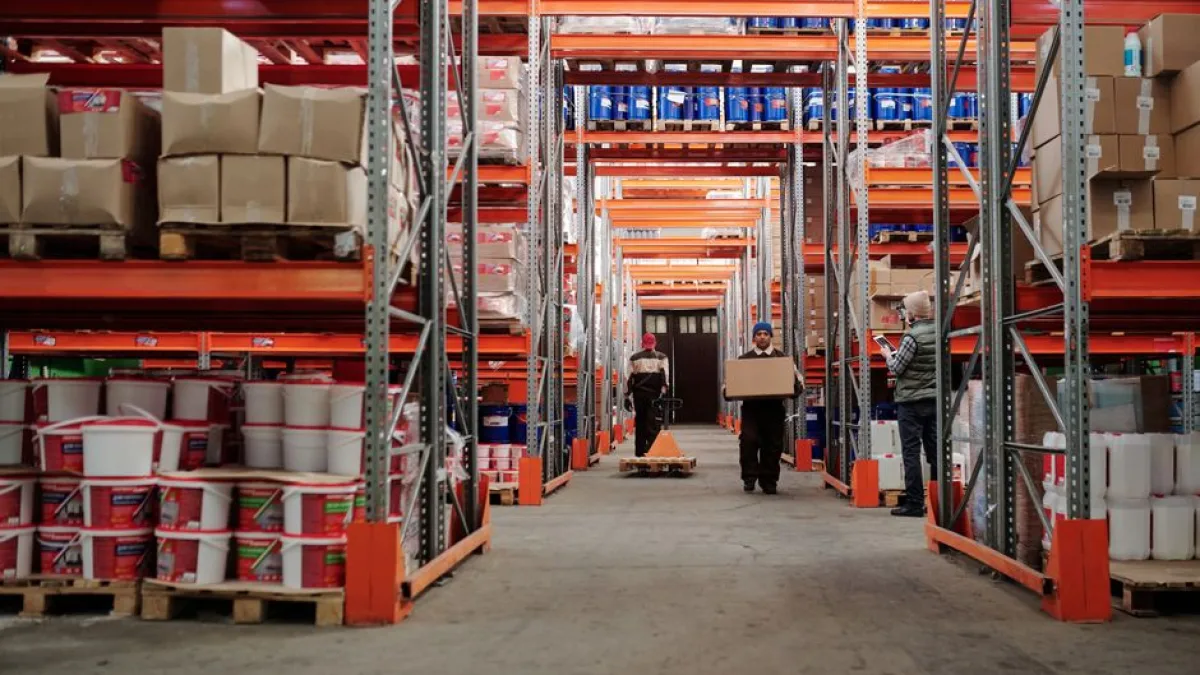
Automation in freight forwarding focuses on replacing repetitive manual tasks with intelligent software processes. By utilizing workflow triggers and automated notifications, your team can accelerate document processing and shipment tracking, effectively doubling your capacity without increasing the current headcount of personnel.
- Automated status updates: Proactive email notifications keep your clients informed at every stage of the transit process without requiring manual intervention from your customer service representatives daily.
- Smart document generation: Generate bills of lading and arrival notices instantly using pre-filled templates that pull data directly from your core shipment management system records.
- Workflow trigger alerts: Configure custom alerts that notify your team about pending tasks or compliance deadlines, ensuring that no shipment is delayed due to human oversight.
- Streamlined accounting tasks: Automatic invoice generation and expense tracking help your finance team reduce billing cycles while maintaining high levels of accuracy for all client transactions.
Embracing automation transforms your freight operations from reactive to proactive, allowing you to handle larger volumes of cargo with greater precision. As digital tools handle routine logistics data entry, your staff can dedicate their expertise to resolving exceptions and nurturing client relationships. Investing in automated workflows today is a critical strategy for maintaining operational excellence and achieving sustainable long-term profitability within competitive markets.
Seamless Carrier Connectivity

Establishing seamless connectivity with ocean and air carriers is vital for accurate rate management and shipment tracking. Modern API integrations bridge the gap between your platform and carrier systems, providing reliable data that keeps your supply chain moving smoothly and efficiently.
- Direct API connections: Linking your platform directly to major carriers enables instant rate retrieval and booking confirmation, removing the friction associated with traditional manual carrier portals.
- Real-time vessel tracking: Accurate AIS data feeds integrated into your software provide precise location updates, which allows for better planning and reduced logistics costs for everyone.
- Dynamic rate comparison: Accessing real-time pricing from multiple carriers helps you find the most cost-effective routing options quickly, providing a competitive edge during final client negotiations.
- Reduced manual entry: Automated data exchange between carrier systems and your internal software eliminates double entry of shipment details, which significantly lowers the risk of errors.
Carrier connectivity is no longer an optional luxury but a fundamental necessity for modern freight forwarders. By integrating your systems with global shipping lines and airlines, you ensure that every logistical decision is supported by the most current and reliable industry data available. This level of technical synchronization builds trust with your clients and strengthens your position as a reliable logistics partner globally.
Cloud Security and Compliance

Data security and regulatory compliance represent the bedrock of cloud-based freight logistics. Protecting sensitive client information against cyber threats while meeting international trade regulations requires a robust infrastructure that prioritizes encryption and consistent system updates to maintain high industry standards.
- Advanced data encryption: Protect your client trade data using industry-standard encryption protocols that ensure information remains private and secure from unauthorized access at all times today.
- Regular system updates: Cloud platforms provide automatic security patches and software updates that keep your business compliant with evolving global regulations without requiring manual IT maintenance.
- Role based access: Define precise user permissions to ensure that employees only access the specific information necessary for their roles, which enhances internal corporate security protocols.
- Disaster recovery planning: Reliable cloud backups ensure that your logistics data is always safe, preventing catastrophic losses in the event of hardware failures or unexpected local incidents.
Prioritizing digital security safeguards your company reputation and maintains the integrity of your international operations. When clients know their data is handled by a secure and compliant platform, they are more likely to commit to long-term partnerships with your firm. Invest in secure cloud infrastructure to ensure your business remains resilient, professional, and fully prepared to navigate the challenges of modern digital trade.
Conclusion

Modernizing your freight operations through technology is the most effective path toward sustainable growth and industry leadership. By focusing on data centralization, workflow automation, carrier connectivity, and enhanced security, you equip your team with the tools needed to excel. Start your digital transformation today to improve service reliability and operational performance. MakeCargo provides the innovative software solutions necessary to support your evolving business needs.