Optimizing Freight Operations Through Digital Integration
Thursday, October 15 2026
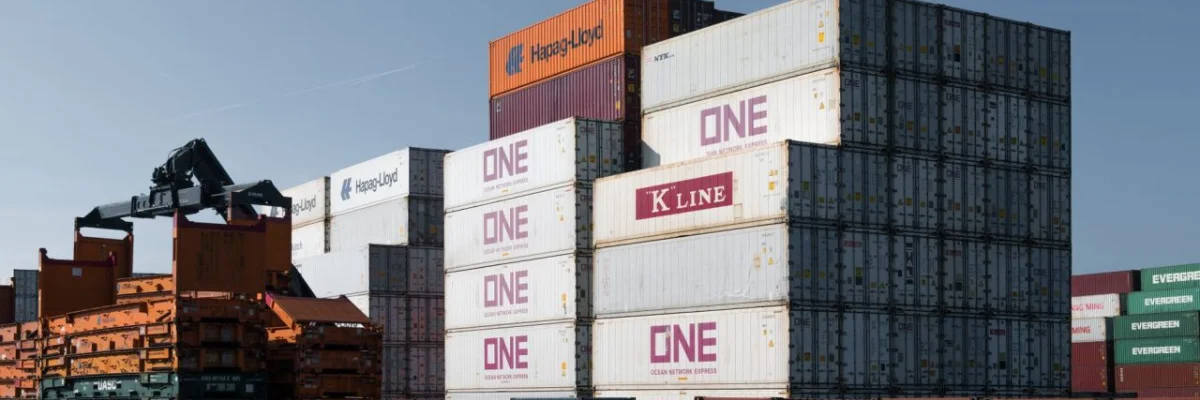
The modern logistics landscape demands unprecedented speed and accuracy, forcing freight forwarders to move beyond manual data entry and fragmented legacy systems. As supply chains become more volatile, the need for seamless connectivity between carriers, shippers, and internal teams has never been more critical. Cloud-based platforms are no longer a luxury but a fundamental requirement for maintaining a competitive edge in global trade. By centralizing operations into a single source of truth, forwarders can eliminate bottlenecks, reduce human error, and unlock real-time visibility across every stage of the shipment journey while scaling their business effectively.
Unified Data Ecosystems

A unified data ecosystem serves as the backbone of high-performing freight businesses by synchronizing information across multiple departments. When every stakeholder accesses the same reliable information, the risk of miscommunication disappears, leading to improved operational efficiency and faster decision-making across complex global networks.
- Seamless Cloud Connectivity: Centralized platforms enable real-time data flow between internal teams and external partners, ensuring that every user remains updated on shipment statuses without manual intervention or outdated spreadsheets.
- Automated Data Synchronisation: Advanced algorithms automatically update shipment records whenever new information arrives, which prevents inconsistencies and reduces the administrative burden typically associated with managing multiple logistics software applications.
- Reduced Manual Errors: Integrating disparate tools minimizes the need for redundant data entry, thereby significantly lowering the likelihood of human error during booking or documentation processing for complex shipments.
- Scalable System Infrastructure: Modern cloud solutions provide a flexible architecture that grows alongside your business, allowing you to add new integrations or user seats without disrupting your existing operations.
Adopting an integrated framework transforms your business from a reactive entity into a proactive powerhouse. By breaking down internal information silos, you empower your staff to focus on high-value client interactions rather than tedious administrative tasks. This structural shift not only increases overall productivity but also provides the long-term stability needed to navigate the unpredictable nature of international shipping in today's global market environment.
Real-time Shipment Visibility
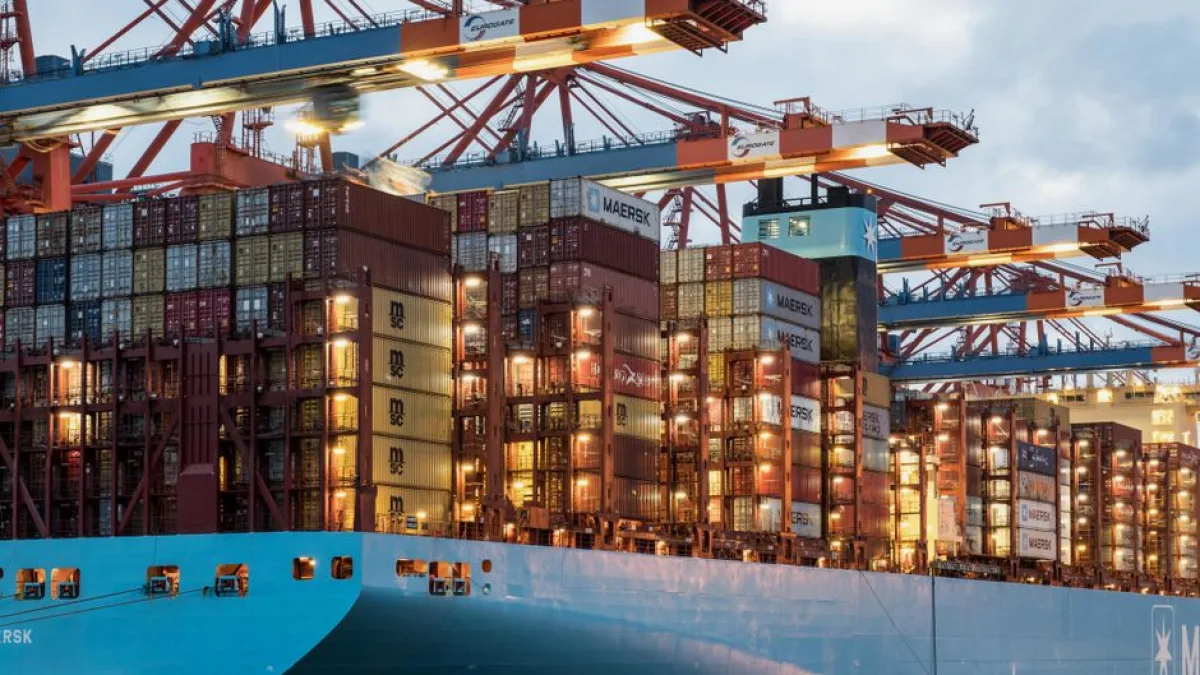
Providing customers with instantaneous shipment tracking is a baseline expectation for modern freight forwarders. Achieving this level of transparency requires robust API connections that bridge the gap between carrier systems and your proprietary platform to deliver live updates directly to clients.
- Instant Status Updates: Automatic triggers push live transit data into your dashboard, ensuring that every stakeholder receives timely notifications regarding shipment milestones, delays, or final arrivals without manual checking.
- Automated Client Notifications: Customizable email or portal alerts keep customers informed throughout the shipping process, which enhances professional trust and reduces the volume of repetitive status inquiry calls.
- Carrier API Integration: Direct links to global carrier networks eliminate reliance on third-party tracking websites, providing your team with consistent and reliable data streams for all active shipments.
- Proactive Issue Resolution: Real-time monitoring tools help teams identify potential disruptions before they escalate, allowing for quick rerouting or communication adjustments that protect your clients' bottom lines.
Transparency is the most powerful tool for building lasting client loyalty. When you provide immediate access to shipment data, you demonstrate reliability and technological competence. This commitment to visibility separates top-tier forwarders from the competition, as shippers prioritize partners who offer clear insight into their cargo status. Leveraging advanced tracking technology ensures that your operations remain resilient and client-focused at all times.
Automated Documentation Workflows

Document management remains one of the most time-consuming aspects of freight forwarding, often involving stacks of physical paperwork and complex digital files. Streamlined automation tools allow forwarders to digitize these processes, ensuring that compliance and regulatory documentation are handled with perfect precision and speed.
- Smart Document Generation: Intelligent templates automatically populate bills of lading and commercial invoices using existing shipment data, saving valuable time while maintaining consistent accuracy across all official logistics paperwork.
- Cloud Storage Management: Secure, centralized document repositories allow for instant retrieval and sharing of critical files, ensuring that authorized personnel always have access to the latest versions of documents.
- Electronic Signature Integration: Built-in e-signature capabilities speed up the approval process, allowing partners to sign off on documents digitally without the delays associated with printing, scanning, or mailing physical copies.
- Regulatory Compliance Automation: Integrated software checks documents against international trade requirements, helping forwarders avoid costly fines or customs delays by ensuring everything is correct and fully compliant.
Automating your document workflows is essential for maintaining agility in a fast-paced environment. By removing manual document handling, you minimize the risk of oversight while drastically reducing turnaround times. These efficiencies allow your team to process higher volumes of shipments without increasing overhead costs, directly contributing to improved profit margins and a more professional experience for your global trading partners.
Advanced Analytics and Reporting

Data is the fuel that powers strategic business growth for logistics firms. By transforming raw shipment data into actionable intelligence, forwarders can identify trends, optimize shipping routes, and refine their pricing strategies to maintain higher profitability in highly competitive market segments across the globe.
- Customizable Performance Dashboards: Interactive visual tools allow management to monitor key performance indicators in real time, providing immediate clarity on shipment volume, carrier performance, and overall company financial health.
- Data Driven Decision Making: Analytical reports empower leadership teams to base their strategic choices on historical performance and current trends, moving away from intuition toward evidence-based logistics management.
- Profitability Analysis Tools: Detailed reports break down the costs associated with specific routes or carriers, helping forwarders identify which segments of their business offer the best financial returns.
- Client Behavior Insights: Detailed analytics help firms understand shifting customer needs, allowing for proactive adjustments to service offerings that align with current market demands and specific client requirements.
Harnessing the power of analytics turns your historical data into a strategic asset for future planning. By closely monitoring metrics, you can refine your operations to be more efficient and cost-effective over time. Continuous improvement based on accurate reporting ensures that your freight forwarding business remains adaptable and profitable, regardless of how market conditions shift or global trade complexities evolve.
Conclusion
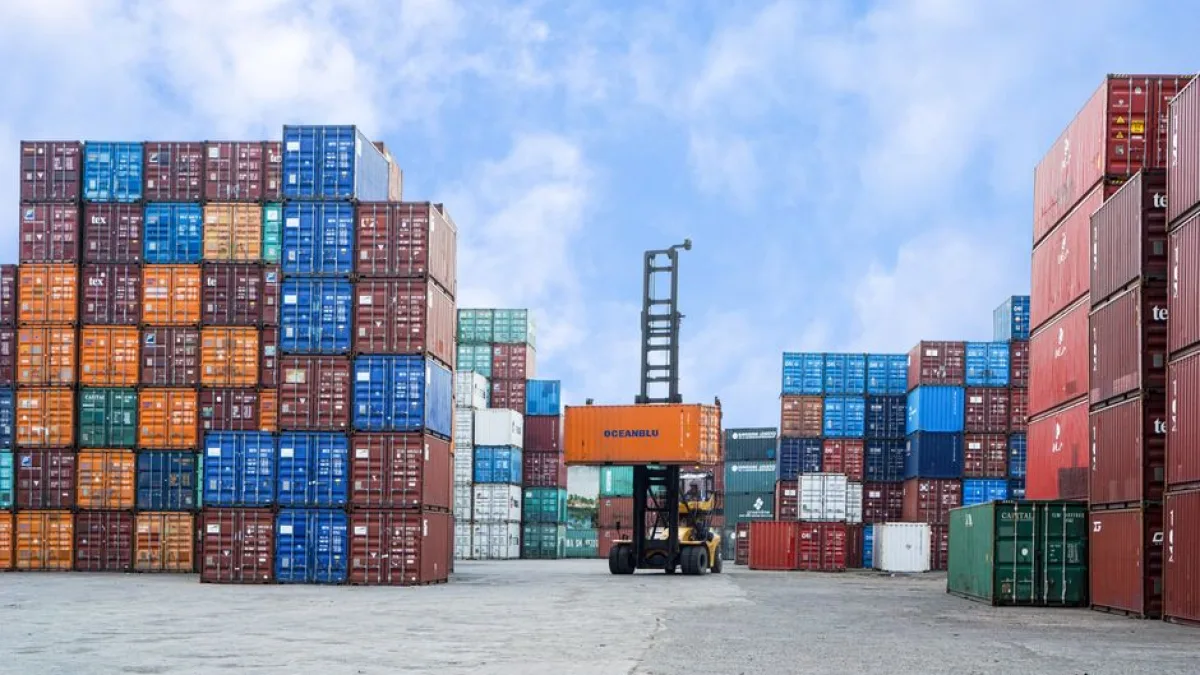
Leveraging modern technology platforms is the primary driver of success in today's freight forwarding industry. By focusing on integration, visibility, automation, and analytics, you position your firm to outperform the competition and deliver superior value to your clients. Embracing these digital tools is not just about keeping pace with trends, but about building a foundation for sustainable long-term growth and operational excellence.