Optimizing Freight Operations Through Digital Integration
Thursday, October 15 2026
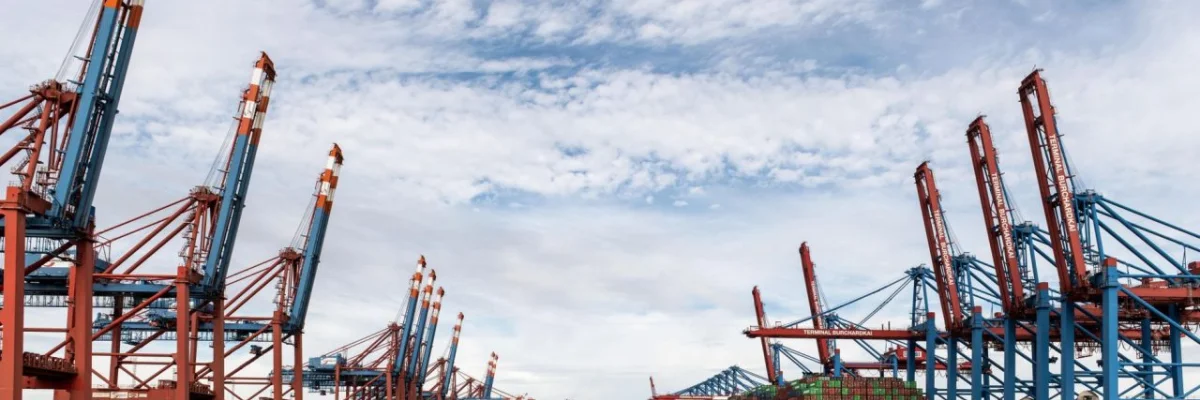
The modern logistics landscape demands unprecedented speed and accuracy, forcing freight forwarders to move beyond manual processes. As global supply chains grow increasingly complex, the reliance on fragmented legacy systems often creates visibility gaps and operational bottlenecks. Digital integration serves as the vital bridge, connecting disparate data streams into a unified flow that enhances decision-making and customer satisfaction. By adopting cloud-based platforms, forwarders can automate tedious documentation tasks and achieve real-time tracking capabilities. Embracing this technological evolution is no longer an optional upgrade, but a fundamental requirement for maintaining a competitive edge in a crowded and rapidly digitizing international shipping marketplace.
Centralized Data Management

A centralized platform acts as the brain of your operation, pulling data from various sources into a single view. This approach eliminates information silos, ensuring every team member works with identical data to coordinate shipments and manage global inventory requirements effectively.
- Eliminate manual entry: Automated systems capture shipment details directly from electronic documents to reduce human errors and save significant time across your administrative teams during the booking process.
- Unified communication flow: Integrated platforms provide a single source of truth for all stakeholders, allowing carriers, shippers, and agents to exchange critical updates within a shared environment.
- Real-time visibility: Accessing live shipment status updates allows you to manage exceptions proactively and provide your customers with the transparent tracking information they expect today.
- Improved document control: Standardizing your digital filing process ensures that every bill of lading and customs declaration remains secure, accessible, and compliant with international shipping regulations.
By migrating to a unified system, your business achieves a higher level of operational agility. You spend less time searching through endless email chains and more time managing client relationships and strategic growth. This transition reduces overhead costs while simultaneously boosting the accuracy of your internal reporting, providing a solid foundation for scaling your logistics services in a demanding and volatile global trade environment.
Seamless Carrier Connectivity
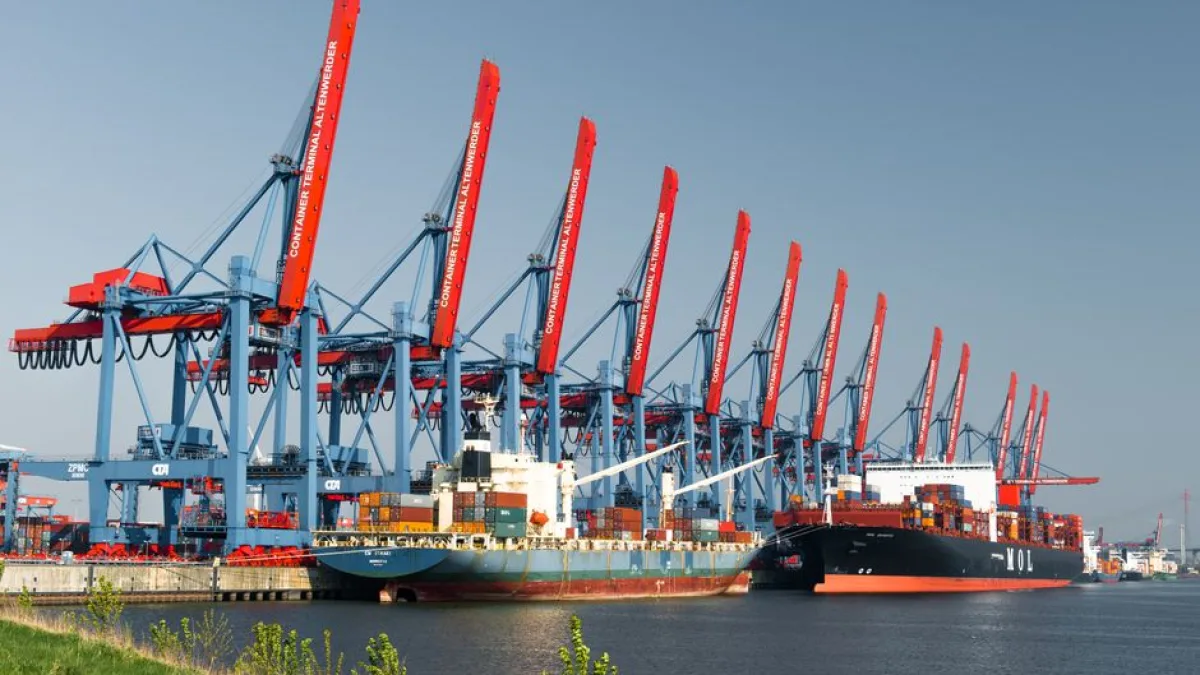
Establishing direct digital links with carriers is essential for modern freight forwarders. These integrations automate the exchange of schedules, quotes, and booking confirmations, creating a frictionless workflow that keeps your operations moving at the pace of international global commerce.
- Instant quote retrieval: Automated API connections with multiple ocean and air carriers allow you to compare rates instantly, enabling faster decision-making when selecting the optimal shipping routes.
- Automated booking requests: Eliminate the need for manual carrier portals by sending booking instructions directly from your software platform to the carrier systems without any additional input.
- Dynamic schedule updates: Receive push notifications regarding vessel arrival times or potential delays, allowing you to inform your clients before they even notice a disruption occurs.
- Simplified carrier invoicing: Digital integration facilitates automatic reconciliation of carrier charges against your initial quotes, minimizing billing discrepancies and accelerating your overall financial processing time each month.
Direct connectivity transforms how you interact with shipping lines and air freight providers. Instead of juggling multiple logins and static spreadsheets, your team manages the entire shipping lifecycle through one cohesive interface. This high level of connectivity not only saves precious operational time but also reduces the risk of missed deadlines and expensive errors that often plague traditional manual freight forwarding workflows.
Customer Portal Transparency

Empowering customers with a branded self-service portal builds trust and loyalty in a competitive market. By providing your clients with direct access to their shipment data, you reduce the volume of status inquiries while significantly improving the overall experience.
- Interactive tracking dashboards: Give your clients a clear view of their cargo location with real-time map visualizations and detailed milestone updates throughout the entire transit process.
- Self-service document access: Allow customers to download invoices, packing lists, and certificates of origin at their convenience without waiting for an email response from your team.
- Secure document sharing: Facilitate the exchange of sensitive customs and shipping documentation through an encrypted portal that guarantees security and compliance for every single transaction.
- Enhanced client feedback: Integrate simple rating tools within the portal to gather insights on service quality, helping you identify areas for improvement and maintain high satisfaction.
Providing a professional portal creates a transparent partnership that differentiates your firm from competitors. When clients feel in control of their cargo, they are more likely to return for repeat business. This digital touchpoint functions as a round-the-clock service agent, ensuring that your customers remain informed and satisfied regardless of time zones or office hours, ultimately boosting your long-term retention rates.
Future Proofing Logistics Infrastructure
Investing in scalable software architecture ensures your business remains resilient against future market shifts. Cloud-based platforms allow for rapid updates and easy integration with emerging technologies, keeping your operations at the forefront of digital logistics innovation and efficiency.
- Scalable cloud capacity: As your cargo volumes grow, cloud systems expand to accommodate the increased data load, ensuring that your software performance remains stable and fast throughout.
- Flexible API ecosystem: Easily connect third party tools like accounting software or warehouse management systems to your core platform, creating a customized tech stack for needs.
- Enhanced cybersecurity measures: Leading platforms implement robust encryption and regular security updates to protect your sensitive client data from evolving digital threats and unauthorized system access.
- Continuous feature updates: Benefit from automatic platform enhancements that roll out regularly, providing your team with the newest tools without requiring disruptive manual upgrades or installations.
Staying ahead of the curve requires an infrastructure that evolves as quickly as the logistics industry itself. By choosing a cloud-first approach, you gain the flexibility to adapt to new requirements and technologies as they emerge. This long-term strategy prevents the stagnation that comes with legacy systems, ensuring your logistics business remains capable, competitive, and highly efficient for many years to come.
Conclusion

Digital transformation is the primary driver of growth for freight forwarders looking to excel in a global market. By centralizing data, connecting with carriers, and offering client transparency, you create a robust foundation for success. Evaluate your current software capabilities today to ensure they support your long-term goals. Reach out to the MakeCargo team to discover how our platform streamlines your logistics operations.