Optimizing Freight Operations Through Digital Integration
Sunday, October 18 2026
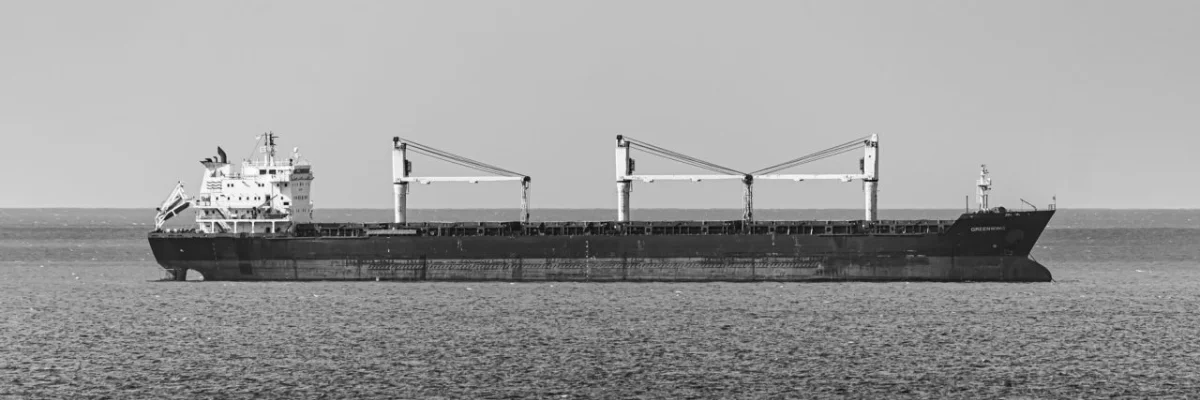
Modern freight forwarding is undergoing a profound transformation driven by rapid technological adoption and changing market expectations. As international supply chains become increasingly complex, professionals must move beyond legacy systems that rely on manual data entry and fragmented communication channels. By integrating cloud-based software into your daily operations, your firm can achieve unprecedented levels of visibility and operational efficiency. This shift is not just about keeping pace with competitors but about creating a resilient foundation that allows for scalable growth while ensuring that every shipment is tracked, optimized, and delivered with maximum accuracy in an evolving global trade environment.
Streamlining Documentation Workflows

Managing global shipments involves an overwhelming amount of documentation that can lead to costly delays when handled manually. Transitioning to automated digital workflows ensures that bills of lading, customs declarations, and commercial invoices are processed securely, accurately, and consistently every time.
- Automated Data Entry: Implement smart systems that automatically extract key information from shipping documents to eliminate human error while significantly reducing the time spent on tedious manual typing tasks.
- Centralized Document Storage: Maintain a secure cloud repository where every stakeholder can access essential files instantly, ensuring that your team avoids searching through scattered emails and physical file folders.
- Real-time Validation Checks: Utilize built-in verification tools that flag missing information or conflicting data fields before documents reach customs authorities to prevent unnecessary cargo detention or heavy fines.
- Seamless Digital Handover: Enable instant sharing of verified documents between origin agents, destination offices, and carriers to accelerate the customs clearance process and ensure smooth vessel or flight departures.
By digitizing your documentation, you eliminate the bottlenecks typically caused by traditional paper-based systems. This approach provides your logistics team with a clear overview of every shipment phase, allowing for faster response times and improved client transparency. Embracing these digital tools ultimately empowers your staff to focus on strategic decision-making rather than getting trapped in the endless cycle of administrative data processing and document management.
Real-Time Cargo Visibility
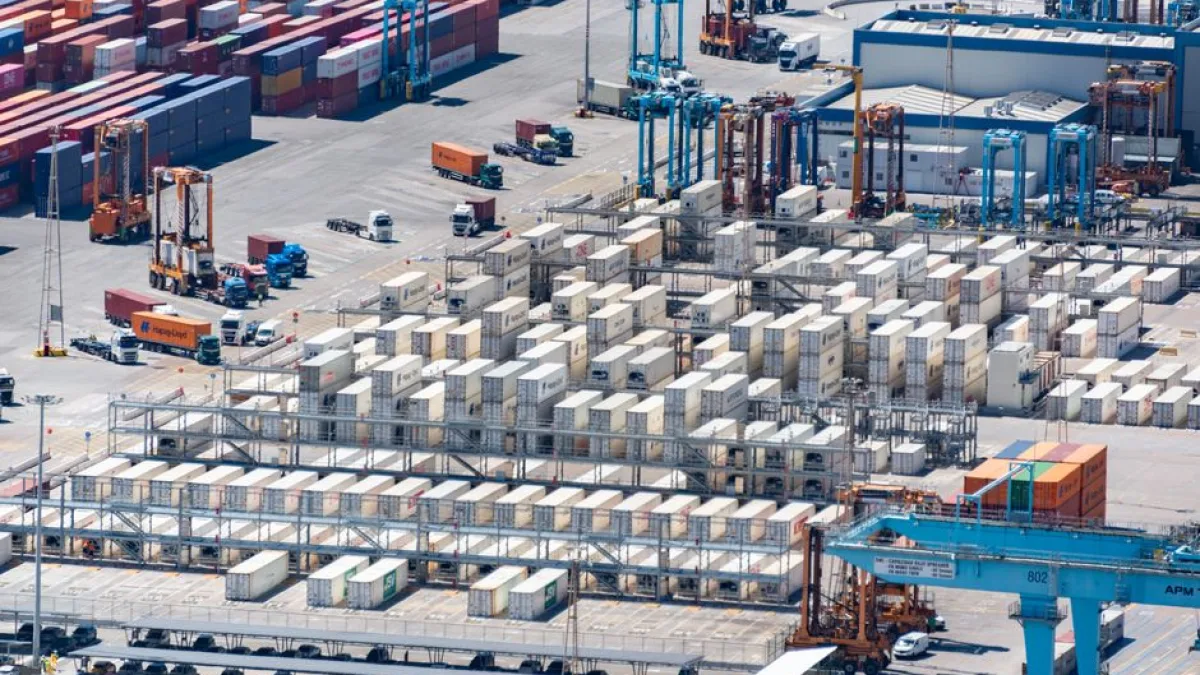
Visibility is the backbone of modern freight forwarding, providing clients with precise updates on their shipments throughout the transit lifecycle. Leveraging advanced tracking technologies allows your team to provide proactive notifications, transforming customer service into a distinct competitive advantage.
- Live Tracking Integration: Connect your platform directly with carrier APIs to pull live location data, ensuring that your dashboard reflects the absolute current status of all ocean and air freight.
- Proactive Exception Alerts: Configure automated notifications that warn your team about potential delays or port congestion before they impact the client, enabling faster resolution and improved customer trust.
- Comprehensive Milestone Tracking: Monitor every stage of the journey from pickup to final delivery, providing granular visibility that keeps your partners and clients informed at every crucial checkpoint.
- Client Portal Access: Grant your clients direct access to a branded tracking portal so they can view shipment status themselves without needing to contact your support staff repeatedly.
Providing real-time data transforms the client experience by removing the uncertainty often associated with global logistics. When customers can see exactly where their cargo is located, their confidence in your services grows, leading to higher retention rates. This visibility not only improves service levels but also allows your internal teams to manage expectations effectively while maintaining complete control over complex global transit routes.
Optimizing Carrier Procurement

Sourcing the right carrier for every shipment is a difficult balancing act between price, transit time, and reliability. Utilizing a centralized procurement module within your software allows you to compare quotes side by side to ensure you select the best partners.
- Automated Quote Requests: Send standardized RFQs to your entire list of preferred carriers with a single click, saving hours of manual emailing and waiting for manual price responses.
- Side By Side Comparison: Display all incoming quotes in a structured table format that allows you to easily evaluate costs, transit times, and service levels in one location.
- Carrier Performance Tracking: Maintain a database of historical carrier reliability, ensuring that you select partners who consistently meet their delivery promises while offering the most competitive pricing structures.
- Dynamic Pricing Engines: Leverage integrated pricing tools that account for market fluctuations, fuel surcharges, and currency adjustments to provide your clients with accurate and profitable shipping quotations.
Smart procurement strategies are essential for maintaining healthy margins in a volatile market. By automating how you request and compare carrier options, you can focus on building stronger relationships with your best partners. This data-driven approach ensures that your agency remains profitable while delivering cost-effective and reliable shipping solutions to your customers. It turns procurement from a repetitive chore into a strategic operational function.
Enhancing Financial Efficiency

The financial side of freight forwarding requires meticulous attention to detail, from billing accuracy to managing complex currency conversions. Integrated financial management tools ensure that your accounting processes are aligned perfectly with your actual shipping operations for total clarity.
- Automated Invoicing Cycles: Generate professional invoices automatically based on completed shipment milestones, ensuring that your billing is always accurate and dispatched without unnecessary delays to your paying clients.
- Integrated Currency Management: Handle international payments easily by using built-in currency conversion tools that automatically apply the correct exchange rates for every specific transaction and invoice payment.
- Real Time Profitability Reports: Monitor the profitability of every individual file by comparing your actual costs against client revenue in a unified dashboard to identify areas for margin improvement.
- Streamlined Expense Tracking: Capture and reconcile all carrier invoices and third party costs against the original shipment quotes to prevent revenue leakage and ensure full cost recovery always.
Managing the financial lifecycle of your freight operations is critical for long-term business sustainability. When you bridge the gap between operations and finance, you gain a complete view of your firm's performance. Automating these financial processes reduces the room for error, speeds up your cash flow cycle, and provides the management team with the precise information needed for informed planning and growth.
Conclusion

Integrating software into your freight forwarding operations is the key to thriving in a competitive global market. By automating documentation, enhancing visibility, refining procurement, and tightening financial controls, you set your agency up for long-term success. Focus on leveraging these digital tools today to eliminate manual inefficiencies. Start your journey toward smarter logistics management and watch your operational productivity grow significantly over the coming months.